
Week in Review: October 10, 2025 - with Robert Cruickshank
Mariners, Seattle wastes homelessness money, SPOG undermining popular CARE team, Seattle School Board rejects cop at Garfield, use dropboxes to vote!

On this week-in-review, Crystal Fincher and Robert Cruickshank discuss:
⚾ Mariners!
💸 Seattle wastes homelessness money
⛔ SPOG undermining popular CARE team
🚫 Seattle School Board rejects cop at Garfield
🗳️ Use dropboxes to vote!
About the Guest
Robert Cruickshank
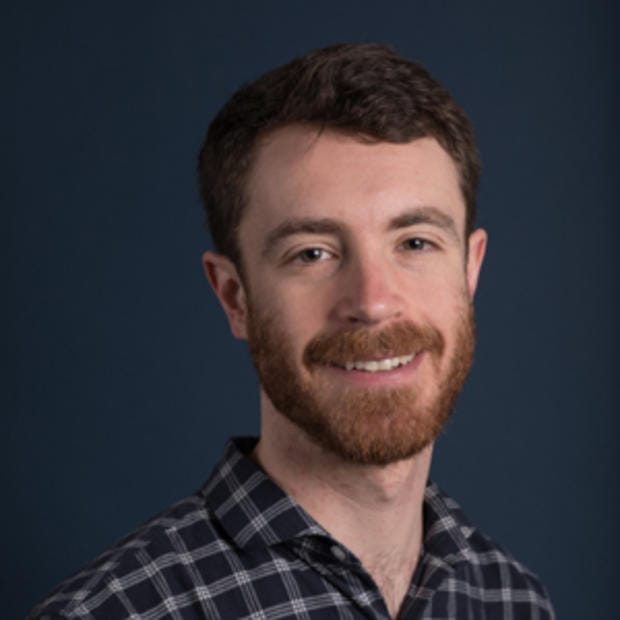
Robert Cruickshank is chair of Sierra Club Seattle and a long-time communications & political strategist.
Find Robert on Bluesky at @robertcruickshank.com.
Resources
“Seattle Spent Millions on Hotel Rooms to Shelter Unhoused People. Then It Stopped Filling Them.” by Ashley Hiruko from KUOW
“Seattle officers ‘undermining’ city’s police alternative, report says” by David Kroman from The Seattle Times
“Seattle Public Schools rejects plan supported by mayor and police chief that would have stationed cop at Garfield High School” by jseattle from Capitol Hill Seattle Blog
“Washington ballots mailed on Election Day or even days in advance could be thrown out due to postmark delays” by Emry Dinman and Mitchell Roland from The Spokesman-Review
“U.S. Representative Pramila Jayapal, King County Councilmember Teresa Mosqueda endorse Katie Wilson for Mayor of Seattle” by Andrew Villeneuve from The Cascadia Advocate
Podcast Transcript
[00:00:00] Crystal Fincher: Welcome to Hacks & Wonks. I'm your host, Crystal Fincher - and I'm nursing a weird voice this morning, as you can hear. On this show, we talk with policy wonks and political hacks to gather insight into local politics and policy in Washington state through the lens of those doing the work, with behind-the-scenes perspectives on what's happening, why it's happening, and what you can do about it.
Today, we're continuing our Friday week-in-review shows where we review the news of the week with a co-host. Welcome back to the program, friend of the show and today's co-host: chair of Sierra Club Seattle, longtime communications and political strategist, Robert Cruickshank. Welcome back!
[00:00:52] Robert Cruickshank: Thanks for having me again, Crystal.
[00:00:54] Crystal Fincher: This voice is a struggle this morning - a little frustrating, but we will make do. There's a lot to talk about and it's been a minute since we have talked here at Hacks & Wonks, but I want to just start out with a little fun. And right now we're all on the edges of our seats, we're super hopeful, waiting with bated breath to see the Seattle Mariners win tomorrow. We're recording this on Thursday, game is on Friday - to win the American League Divisional Series, to see them take this championship, to see them get to the World Series. The series is tied 2-2. How are you feeling?
[00:01:37] Robert Cruickshank: You know, nervous. But, I take a little bit of heart from knowing that the last two times the Mariners were in the division series - 1995, 2001 - they won in five games. Everyone remembers Edgar Martinez's double, Ken Griffey's slide - that's Game 5 of the ALDS at home in 1995. So the Mariners have a history - short as it is - of being in the playoffs. But when they're there, they have a history of rising to the occasion in Game 5. Now, I know that Mariner fans are always nervous about getting hopes up, because those hopes are routinely dashed. That being said, there is reason for hope going into Game 5.
[00:02:19] Crystal Fincher: I'm hopeful. I have such fond memories of the '95 slide of that team. I'm hoping we do this. As you know, Mariners fans - fans of all types - can get pretty superstitious. I'm admittedly in my own little superstitious zone right now. There's been a thing where when I don't watch Mariner games, we typically win these days. So I have been not watching to clinch victories, which has been successful like 87% of the time - which isn't bad. So I'm hoping we continue to do this.
I do have to say - one of my favorite moments in fandom of all time just happened game before last, with the guy - the Mariners fan, in the sea of Tigers fans - wearing the "Dump 61 Here" T-shirt for Cal Raleigh, calling for him to hit a home run to him. Lo and behold, Cal does. Dude catches it on a bounce. Promptly takes off his shirt to reveal a "Dump 62 Here" shirt. He had it locked and loaded. He was prepared, he knew it was coming. Absolutely amazing moment. No notes. Put that man in the fan hall of fame. I love it.
[00:03:37] Robert Cruickshank: It's almost like a reverse of Babe Ruth calling the shot for the home run. This fan called Cal Raleigh's shot and was right there to get it. It was amazing.
[00:03:46] Crystal Fincher: Absolutely. Well, we do have some less happy news, less hopeful news to talk about. Here in Seattle, there were some really troubling reports in this past week. I want to start off talking about news from a pretty deep ProPublica and KUOW investigative report that revealed that Seattle spent millions of dollars on hotel rooms to shelter unhoused people. And then, despite paying that money, just decided not to fill them. What happened here?
[00:04:23] Robert Cruickshank: Yeah, this story, I think, should be a pretty major scandal, because what happened here is appalling and egregious. Many people who are visitors to Seattle - or live here - know of the Civic Hotel near the Space Needle, right by where the north end of the new 99 Tunnel comes out. The City, a few years back, using pandemic stimulus funds, rented out the entire building in order to house people - many of whom were on Third Avenue between Pike and Pine, a notorious location where there's a lot of challenges, people who are homeless, who have drug addiction, who have mental health issues. And we all know one of the best ways to address that is to get people inside - get them into a room with a bed and a door that locks - and then once they're housed, you can start addressing the other concerns that they have, the other issues that they bring to the table.
That's what happened here in the Civic Hotel, and it was working really well, until - maybe almost two years ago - the City put a pause on it. Not a pause on spending the money. They were still spending money to rent it out at over $4,000/day for each room. They put a pause on filling the rooms. And the stated reason was - Oh, well, we're not sure about the program's financial future. But then, ProPublica and KUOW reporters unearthed emails from Harrell's Deputy Mayor Tiffany Washington openly saying the reason they weren't filling them is they didn't like Lisa Daugaard, who is a known leader - created the LEAD program to try to get people into services and into housing. And Tiffany Washington explicitly says - I don't like Lisa, I don't want to give her any more money, I don't think she's very good. And I'm reading this as someone who's worked in a mayor's office and understands that when you are dealing with public funds, you have a responsibility to spend them effectively and to take the personality out of it. And to see instead that these rooms went empty for months - when there were people on our streets who could use that help and use that roof over their head in cold, dry weather. These emails are being sent in January of 2024. It's appalling that this is going on in Harrell's office - with his either support and knowledge or his ultimate responsibility. I think this is an excellent example of how Harrell has failed on homelessness, failed to build the shelters that we need, failed to fill the rooms that we were even paying for - because they let petty nonsense and turf battles, on the part of mayoral staffers - this isn't Lisa Daugaard beefing with City Hall. It's Mayor's office beefing with Lisa Daugaard. And homeless people are the ones who are caught in the middle of this - caught out literally on the streets, unable to go into a room that has a bed for them that we are all paying for as taxpayers because Harrell's staff doesn't like the person in charge of the program.
It is just absolutely appalling, and I'm really glad that KUOW and ProPublica unearthed this. Because I think it has huge bearing - not just on the election, but on how we in Seattle understand the role of our city government, which - and Harrell's leadership failed, utterly failed in this. It makes me furious to know that there are people out there on the streets in winter 2024 who could have had a bed, could have had a place to stay, could have had their needs addressed, but didn't because of petty nonsense emanating from the Mayor's office.
[00:07:48] Crystal Fincher: You know, petty is such an appropriate word. But also, I think about how much lip service has been paid to finding waste, fraud, and abuse. Does this get any more wasteful, any more abusive of this system - to wage a petty grievance with taxpayer dollars and with people's lives? What I find infuriating - also as someone who's worked in a mayor's office, as someone who's worked with elected officials for years - is the point of this whole thing is to help people. We're in this campaign where they're talking so much about what they're promising to do for people, what they have done, all of the commitments that were made. These issues are top of mind for voters. They're talking about how much they care about solving them, how much they understand. And to hear - it's not that they didn't have the money, it's not that they didn't have a plan, it's not that rooms weren't available, even though there's a problem with short supply - that wasn't even the problem here. They just decided that they didn't like someone that had made it through a City contracting process, and that they just didn't feel like it. And they knew it was wrong because they lied about it. It's so irresponsible, and it flies against the face of being in public service and of being stewards of public dollars. And this has been one of the most persistent problems that Seattle has faced over years. A homelessness emergency has been declared. These candidates are talking about it in their campaign ads that we're seeing right now. And that they paid the money and were just so caught up in their own emotions, that they just let rooms go empty - when we know what the harms are for people who are left on the street, when we know that they are among the most vulnerable people in society, how vulnerable they are to being victims of violent crime, how at risk they are of falling into substance use disorder. So many problems that are made worse by being out on the streets. And next to that, we know how effective it has been to get people housed and connected to services, to get people in those rooms. And they just decided not to, while telling everybody - Oh, we're just evaluating, we're thinking about it.
Just absolutely infuriating, absolutely irresponsible. This is happening while the City is in a budget deficit - while they're talking about cutting other services, cutting positions because there's not enough money. And they're just wasting it on literally nothing, instead of deciding to spend it on what it was allocated for - just absolutely infuriating. In any other city, this would be picked up by every major mainstream local media entity. It's just wild that they felt they could get away with this and that business is going on as usual, when we just found this out. It's incredible.
[00:11:08] Robert Cruickshank: It really is. You mentioned that we both worked in the mayor's office - the same mayor's office, when Mike McGinn was there - and when he was evaluating decisions like this, every time he did it was always - What's the right thing to do? He literally had a sign that a member of the public gave him on his Inauguration Day that said, "Do what is right." And he had it behind his desk. And we always looked at it when we're talking about what decision to make. And he would always bring it back to - Well, is this going to work? Is this going to help people? We're here to do public service. Even when I might be the one in the room saying - We might take a political hit for this. He would always say - Well, this is the right thing to do and I was elected mayor to do a good job as a public servant. So there are leaders who can do that. But what we see consistently coming out of the Harrell administration is the opposite of that - this putting their own power and ego first, and putting the needs of the public either second or way down the list. And that's, I think, what really stands out about this is - the disrespect to the public to not only do this where you're paying money for empty rooms because you don't like the person leading the program, but then lying about it. Then being caught in that lie. And then when you're caught in the lie, just sort of dismissing it. It is emblematic of how this administration operates. So many things go undone because they only care about their own power and ego. And you see this so clearly whenever you watch Bruce Harrell debate. He can't defend his record because his record is indefensible. He just puts his ego first and foremost - how dare you criticize me? I'm above criticism. Doesn't matter what I do. You are wrong for X, Y, and Z reason for even daring to criticize me. And that's this ethos that just permeates now that entire mayor's office.
And you see it so clearly in Tiffany Washington's emails. It is a scandal, and I think it's a big one. Everyone I talk to about it is just appalled, when they read the details. We need a leader in the city. We need leaders, not just the Mayor's office - in City Council and City Attorney's office and in the departments - who take this stuff super seriously and are determined to get people off the streets and into shelter. And that determination is not there in this Mayor's office, and we can see why.
[00:13:19] Crystal Fincher: Well, and it's so frustrating because - to your point, there are so many people who work in government who are really motivated by trying to do the right thing, by trying to help people. Those positions usually aren't the highest paid positions for people. They could go in the private sector and earn more in many instances. But you see, and I think it would surprise a lot of people, the amount of pride that people take in doing a job well that serves the public, that makes our community a little bit better in their own unique way. And then to see this happen at the top - that one, is just tarnishing the names of so many people in government, giving people a bad in their mouth.But people are tired at looking at people at all levels - certainly we see this at the federal level - of people who just want power and to wield power. It's not about doing something to help, it's not about all of this rhetoric about helping people and having a plan to really fix things and a positive vision for the city. It's about vengeance, enacting vendettas, punishing people you don't like and rewarding your friends. That's not the point here. That's part of this whole corrosive thing. We see that taken to the extreme in our federal government right now.
We can't afford to have this happen at the local level. Battle for democracy right now is really happening at the local level - it's what people do in cities like this, how they operate, that's going to determine whether the federal government can come in and run roughshod over everyone, or whether they're putting safeguards in place - they're working with the community to fortify our local communities against what we see happening. We see these battles happening in different cities. When people are spending their time focused on petty grievances and not even managing the limited resources they have well, wasting them in furtherance of a vendetta and punishing someone you don't like - these mean girl fantasies that are going on - we don't have a shot at addressing the real problems. And we've got a number of challenges to deal with already. And man, we've got a heap more coming - they're on the doorstep and we better get serious about this. And people really need to evaluate who is going to be focused on solving the challenges that are right here right now, and who's just spending time deciding who they're going to punish and reward.
[00:15:58] Robert Cruickshank: I think that's spot on. And it's also up to us, as voters - are we willing to tolerate this? Are we willing to allow a mayor who personally - and his staff - engage in this kind of behavior, using petty grievance in substitution of actual public service to help people? Are we going to allow that to continue? Because we have the power, when we start getting our ballots in the mailboxes next week to stop that. But we could also just say - You know what, it's fine, we're okay with this, not a priority. And I think that's what Harrell's banking on - that people will look the other way, or come up with some excuse or reason why he should be reelected anyway. And if that happens - if Harrell does get a second term - you can bet that Bruce Harrell and Tiffany Washington and Tim Burgess and everyone else in those emails will take it as validation of what they did, that they got away with it, and they can continue to govern the city in the same unethical way for another four years.
[00:16:59] Crystal Fincher: Yeah, absolutely unacceptable. I want to talk about another report - a really challenging one for the police department - where The Seattle Times reported that SPD officers are undermining the City's police alternative, the CARE team. Which again, we're hearing - especially as these political campaigns get into full swing here - talking about how important the CARE team is, while we learn it's being undermined from within. What has happened here?
[00:17:35] Robert Cruickshank: Yeah, I mean, just so - for the listeners who may not remember, the CARE team is the alternative response to having an armed officer show up to nonviolent crime - that poll after poll after poll has showed Seattleites want, going back to 2020. There's huge support - consistent, large majorities of Seattleites want this alternative response to be in place. They want armed officers to focus on truly violent crime, and they want unarmed officers who are still trained and experienced civilians to respond to lower level things. It's a sensible, efficient way to do it - works well in other cities. But SPOG has just resisted this at every opportunity. And in order to stand up the CARE team, the Harrell administration concluded that they needed to reach a Memorandum of Understanding with SPOG about this, in order to allow it to go forward. And SPOG demanded and won the agreement that CARE team can only be dispatched with a regular uniformed armed SPD officer along with them. And what that did was it gave those SPD officers - SPOG members - the opportunity to undermine the CARE team, to not refer incidents for CARE team response, or to slow walk a response, or to say - Oh, we can't get out there right now because we're on something else and so can't do a CARE team response because I'm not available to be there to help with the response. And just obvious and consistent - from SPD rank-and-file officers and their commanders, to be honest - to undermine this in hopes that they can prevent the CARE team from being a success, that they can in a few years look at the numbers and say - Look, they aren't responding to things, their response time is slow, their response is ineffective - because SPD officers undermined it at every opportunity. But it's something that the Harrell administration enabled with that MOU. They are still in the process of negotiating a new SPOG contract. Harrell has said in recent weeks that he wants it done by the end of the year. And that is a great opportunity for Harrell, or whoever is mayor after him, to change how CARE team response happens. I think that this article makes it super clear that the current practice of insisting an SPD armed officer go with CARE team to response doesn't work and hands a essential veto over the CARE team to SPOG, which is what they want because they want to exercise that veto and kill the CARE team.
[00:19:59] Crystal Fincher: Absolutely. SPOG, the Seattle Police Officers Guild - the Seattle Police Department union - is pretty powerful and kind of one of the things going on here - that has been talked about by certainly activists for a long time, people concerned with civil liberties - has been that what we typically see, generally in unions being negotiated, usually falls within the realm compensation, pay conditions, that kind of thing. What a lot of people feel with SPOG is that they have gone way beyond what typically is negotiated, what typically is within the bounds of what falls within a labor contract. And that that is negatively impacting a lot of other things - here in this situation, the CARE team - with what's happening in the city. Certainly this has also been talked about with accountability, the ability to hold officers accountable to their stated standards and conduct rules and what happens if they don't meet those or if they violate those. That has been whittled away within the Seattle Police Officers Guild contract and has limited what the Seattle Police Chief, what Mayor Harrell, what the City is able to do to hold police accountable - which kind of undermines a lot of the talk about bringing in accountability, creating a more professional workforce - that we're hearing especially now in these political campaigns.
But here, this seems to be undermining the very purpose and function of the CARE team. If you recall - and as we see in many other areas - the benefit of the CARE team is that not everything needs an armed response. Not everything is appropriate for an armed police officer to respond to. And when we're talking about the disorder that is seen on the streets - people dealing with substance use issues, people dealing with mental health issues - these are not things oftentimes that are explicitly against the law. So officers don't really have anything to do. These are also situations that they're finding result in a high degree of unjustified uses of force. So it basically sets the response up for failure or for abuse. And it's also something where the tools that police have - detaining someone and taking them to jail - don't solve the problem. In fact, they make the problem worse. Someone with an addiction problem needs treatment, and that is going to help alleviate the problem and the disorder that has been occurring there. Someone with a mental health issue is not - one, being swayed by anything logical. It's not like jail - Oh, I've hit rock bottom, therefore I don't want to do this again. This is not a situation of logic. This is the opposite. And they need treatment and intervention to get them back in a place where they can be stabilized and healed, right - and rehabilitate. The CARE team is specifically trained to intervene in these issues and to connect with those resources. What we're seeing now with this carceral police focus is just a revolving door that doesn't do anything to fix, and that often exacerbates what we're seeing on the streets. It is not helping. It's actually hurting.
This CARE team is what is helping. They have the tools, it's been shown to be effective in so many other places. We have iterations of this help happening elsewhere in King County working very successfully - getting rave reviews from law enforcement, from prosecutors, from community members, civil rights activists - because it is actually a solution. And then to hear officers and the examples cited in this Seattle Times reporting - that they're just denying the CARE team the ability to respond. When they're saying they have limited resources and because they're short-staffed, they don't have the time to respond to violent crime, they don't have the time to investigate sexual assaults - as they've said before. That these very serious crimes that everybody in the community expects them to prioritize and dedicate as much of their resources as they can - they're being held on an overdose call because they kept a CARE team member away from it. That they're not responding to someone having a mental health crisis and spending an hour there while you can read every online forum in Seattle - and my car was stolen, my window was broken, my house was ransacked. I'm waiting for SPD to come, it's been four hours, I'm waiting. When the whole justification of this was - this actually can do a better job of solving the problem and free up armed police officers to focus on serious crime.
And it's the officers who are making that impossible. Just this bizarro world situation that's happening. It's backwards. And how this has been allowed to continue without - best case scenario - Hey, we have this contract, but this is unacceptable. How do we manage out of this? Instead of just saying - Well, the police chief is supportive. Well, the police chief isn't the problem. And it turns out because of the contract you negotiated, he has no power. So what now? I don't know. What do you see as the path forward here, Robert?
[00:25:45] Robert Cruickshank: I think, again, this comes down to the public having our say in the next couple of weeks as those ballots arrive in our inboxes. Are we okay with a mayor who has slow walked the CARE team at every turn - even getting it established was a huge struggle. And then giving veto power to SPOG. Do we trust Bruce Harrell to be the one to make the CARE team a success? Has he demonstrated over the last four years that that is a priority for him, that's something he'll do? Or, has he demonstrated the CARE team is at best a nuisance, that he just has to sort of tolerate for political reasons, but he'd rather let SPOG undermine it? I think that's what's happened here. And again, if he does get reelected, then he and SPOG will take it as a sign that they can do this - that they can get away with undermining the CARE team. And I don't think, for the rest of this decade, we see an effective CARE team or alternative response in the city. It'll take until about the '29 election - and that's ten years by that point, since the public first started demanding this. And I think that would just be unacceptable.
[00:26:50] Crystal Fincher: It would absolutely be unacceptable. And I would remind folks that the CARE team - at least the idea of the CARE team, what it's supposed to be, what it was sold as - is one of the most popular entities and policies in the city of Seattle. Repeatedly in polling, when people are asked - Hey, should we spend money on these responders who can address mental health issues, substance abuse issues - connect people to resources to address root problems? Hey, if you had a choice on where you would spend your tax dollars, would you spend it to hire more police officers, to add CARE team members - unarmed crisis responders? Repeatedly, we've seen in polling, vast majority of Seattleites, between 65 and 85% routinely, are saying - Please expand the CARE team, get this in my neighborhood, expand the hours that they're using. We need more of this. This is one of the most popular things you could do as a public official, which is why you hear lip service being paid to it. But then to see it being undermined from within, to see contracts being negotiated that allow it to be sidelined - just is really a waste of money, if you're allowing it to languish and atrophy like this - and just not a serious response to the very serious issues that we're seeing on the streets right now. Something needs to change.
Also want to talk about some related news this week - dealing with police - that Seattle Public Schools rejected a plan that was supported by Mayor Harrell, by Police Chief Barnes that would have stationed a cop at Garfield High School. What happened with this decision? And why did the school board make this decision?
[00:28:42] Robert Cruickshank: Yeah, this is, I think, a really interesting story. And it's gotten some media attention, but I think we have an opportunity to delve a little more deeply here. Again, in 2020, along with public demands to create alternative response - the CARE team, which we just talked about - the public also demanded, and won, the removal of police officers from public schools in Seattle. These are known as school resource officers, or SROs, that are posted at several high schools in the city, including Garfield. And there are problems with these folks. There was - last year in The Stranger - an op-ed from a parent at Garfield who described a harrowing story of how the Garfield SRO intimidated her son from talking to the media about incidents of hazing and abuse that he had seen at Garfield. And so, stories like that that have been circulating led the school board in 2020 to remove and end the SRO program. Since then, SPD's wanted to get that back. And there has been some support in the Garfield school community to do that. The Garfield PTSA parents and some students came together and said - We want SROs back. We are concerned about gun violence. There had been some notable incidents where students were shot. One student was shot and killed a little over a year ago. And so that created some momentum to bring SROs back.
But the community also had some stipulations about how this would go. They wanted a role in picking the officer, they wanted the officer to not be involved in student discipline issues. We've all seen the horror stories around the country of these officers suddenly getting involved in disputes between students when their job supposedly is to stop gun violence. And so there was a lot of opposition to bringing those SROs back - recognizing that those SROs, in many cases, committed as many offenses to make students feel unsafe as they did protect students. And so that's where the debate emerged.
Well, at Wednesday night's school board meeting, the board rejected this plan to allow SROs back at Garfield High School. And it was interesting how this went down. Several board members, including Sarah Clark and Joe Mizrahi - and then to be clear, I've donated to Clark and Mizrahi, and I've helped them with their campaigns. And one of the reasons is because they didn't want SROs back. They don't feel comfortable having officers with guns at schools. And Sarah Clark is a Garfield graduate, right? She went to Garfield and graduated from there in the early 2000s and knows what it's like. So they were opposed to this, but they also understood the community had a desire to bring officers back. So Sarah and Joe dig in. They're like - Well, let's meet with the NAACP, let's meet with the City. Can we do something that isn't an armed officer? Can we have someone - again, alternative response, like we were just talking about the CARE team - what is an alternative to an armed SPD officer on campus? But the City pushed back. At a debate on Wednesday night, while the School Board was debating this, Harrell and Wilson were at a KOMO debate at Seattle University. And Harrell said - I support bringing an armed officer back to Garfield. Shon Barnes has been pushing this really, really hard. And district leaders promised - the administration, the superintendent's office at the school district promised the community that they would respect their wishes, but then put an MOU in front of the Board last night that didn't have any of those changes, that didn't include a community voice in hiring the officer, and that would have opened the door significantly to that officer being involved in school disciplinary issues - which the community said they didn't want. And so the Garfield PTSA, which had been pushing this - at the last minute, said - Actually, no. We don't want an SRO back under these conditions. Sarah Clark and Joe Mizrahi also said - We're not going to do this. We oppose this. We opposed it all along. The district and the City have shown no interest in working out some compromise alternative. And they got the rest of the Board - at least five of the board members - to vote No. And so, SROs are not coming back to Garfield.
And I think it's for two reasons. One is the genuine, and I think correct, concern that having an armed officer on campus is going to cause more problems than it solves - that has historically been the case. But it's also partly a story of a district leadership in the superintendent's office that is fundamentally hostile to community involvement. Their attitude, and they've said this explicitly, is that they should just be able to make whatever decision they want to, and the community just has to live with it. And in this case, what that would have meant was an unaccountable superintendent's office, working with Bruce Harrell's office and SPD Chief Shon Barnes, to put an SPD officer on Garfield's campus - armed with a gun, with very little, if any, real control or limitation. And the lack of trust was really what was cited by the Garfield School community and the five board members who voted No said - There's no trust. We don't trust the district leadership. We don't trust SPD, we don't trust the City. We can't do this.
And I think it's just a remarkable example to me of how the lack of trust - with the police in particular - is a theme that we keep talking about on these shows, we've been talking about on this episode. And how the public wants an alternative. They want public safety addressed. They don't want SPOG members with guns showing up to every single thing. They want that limited towards the moments of violence when it's clearly needed. But they want something else instead for everything else. And the resistance to that - the dragging of feet from SPD, from Harrell's office - is just a consistent theme that you keep seeing here that gets in the way of sensible solutions to concerns around the city.
[00:34:30] Crystal Fincher: I think you nailed it right there. And this is a dynamic that has been so frustrating to me and that we see repeated so often - and most often when it comes to issues of public safety. And it's this complete gaslighting on this issue - the absolute mischaracterization of what the problem is, what the stakes are, and what the fix is. You do have a top-down administration, both in the district and in the City, saying - We know what's best. You take this. And the community's saying - Hey, we absolutely have a problem. We are completely unsatisfied with the way things are, and we want a voice in how to solve this challenge. This is our community. This is our school. We have the most at stake here. We're the ones who pay when something goes wrong. We're the ones who understand all of these dynamics and deserve - are owed - a voice in the solution in our community. And you have these voices from outside saying - who are coming in, who for years it's been now, have been trying to get cops back in schools saying - You need a cop, we've got a cop. Here, take this cop. And people are saying - Oh, okay, we want something done here. We have some ideas. But the cop - as you said, Robert - has created more problems than it solved before. We don't want to make that same mistake again. We can't afford it because our kids are paying for it. It's unacceptable.
What's also unacceptable is the violence that we're seeing that we're trying to address. Our kids are paying for that and it's unacceptable. So we don't have to accept either one of these bad conditions. We know what the better options are. There have been a number of meetings where community has presented a number of ideas. Hey, we do want security, we want different entrances. We, you know, at least want someone who's from this community - at minimum a woman instead of a man. We want a voice in who is coming in, right? These are all ideas that have been brought forward by people who are actually impacted. And repeatedly - the district, the City has - I don't even know if they even bothered to say no, they just ignored it. They just acted like what was said didn't matter, that it didn't need to matter. They had the power to do something else, they thought - and they were just going to push it. And so, again, without even conversation, not - Oh yeah, sure, we hear you. We hear you. Yeah, we'll get that done. And then - like you said - put an agreement before the School Board that didn't have anything in there.
Now what you'll hear and what infuriates me is that you'll hear this characterized as - Oh, I guess they just don't want to solve their problems. They just don't care about safety. I guess they are satisfied with what's happening here. Either they want more cops or they want disorder. And that's not at all the conversation that was had. That's a complete mischaracterization of what has happened, and it's disrespectful to the community and the people there to try and act like that's the case. They said - We know what we need. The current situation is unacceptable, and the situation you presented to us before was unacceptable. We're standing up for us and our kids and we're saying - Work with us to do this better. And most of the options they presented from a resource perspective would have cost less money than what they're presenting with the SRO. So it wasn't a matter of - they're asking for the world, we can't give it to them. They just don't want to share power with the community. They don't want to empower the people who are most informed and equipped about how to address the problem that they're solving, and who have the biggest stake in the solution - who pay most when there's a problem, who benefit most with their solution. And so, this characterization of either it's a cop or it's nothing, either you want exactly what we say or you don't want anything is not at all true. It's just them throwing a fit that they didn't get their way with what they proposed in defiance of the community.
[00:38:49] Robert Cruickshank: Yeah, and you can see this in how, for example, Sarah Clark's involvement went. This, again, this is a person who experienced violence herself on the campus of Garfield when she was a student there - she gets the safety concerns because she's experienced them. And said she would vote No on an SRO, but also heard from the community and said - Let's figure something else out. And gets the NAACP involved, goes to the City, starts talking to people and says - Let's craft an alternative solution. And the response from district leadership and SPD is - No, it's an armed officer or nothing at all. Which is just, as you said, this disrespect that comes from SPD, and now the school district leadership, towards the community is a huge problem. And when it involves student safety, you can't address that without that basic level of trust. And when people like Sarah Clark are out there trying to solve this and get stonewalled at every turn, the community gets stonewalled at every turn, the students get stonewalled at every turn, the parents get stonewalled at every turn - when there are clear, workable solutions on the table that get left on the table because people in power don't want to give up their unilateral power to decide whatever they want to do. A consistent theme in this entire episode - solutions don't happen. And it's sad because I think a lot of people believe that Seattle is a well-run city, that Washington is a well-run state - and God aren't we so lucky to be here while Trump is on a rampage across the country. And yet, you look closer - we're not that well-run. We have all sorts of petty nonsense going on that gets in the way of solving problems. And people in positions of power who believe that they have a right to act unaccountably, act without the community's involvement. And you have to say no to that. You've got to stop that. Kudos to the school board for voting No on this MOU. It's probably not the end of the story. I'm sure that if Harrell gets reelected, he's going to try again. And probably the same approach. I think again, another consistent theme of this episode - we're getting our ballots in the mail next week and we have big decisions to make with huge stakes and we need to get it right.
[00:41:01] Crystal Fincher: Absolutely. And to be clear, this should not be the end of the story. There's work to be done here. There is still a community with concerns. There's still a school with challenges that need to be addressed. I think it is a step in the right direction to say it's unacceptable to force a top-down solution that has already failed. We have to work with the community to bring in a solution that has a shot at success, with their input.
Now, ballots are about to arrive in the mail. We recently got some news about some new endorsements, some dual endorsements. And news about how to return our ballots and the importance of using a dropbox, especially in the late days in the election - instead of mail, perhaps. What is on the election news docket here?
[00:41:55] Robert Cruickshank: Well, in the last week or so, Katie Wilson got some big endorsements. They are dual endorsements, but they are endorsements of Katie as well. Our member of Congress, Pramila Jayapal, and Teresa Mosqueda, who, of course, had been on the Seattle City Council for a while and is now on the King County Council - both Jayapal and Mosqueda endorsed Katie Wilson. Again, these are dual endorsements, so they're also endorsing Bruce Harrell. But the endorsements of Katie Wilson were strong, clear. I certainly strongly agree with them. But I think it's a sign of further momentum for Katie Wilson. And they come after MLK Labor also came in for Katie Wilson, also with a dual endorsement. But Harrell, being the vindictive person that he has shown himself to be, I think it's still a big sign for Katie Wilson that these major institutional players are willing to risk Harrell's wrath by going out there and endorsing Katie Wilson as well. And I think it's a sign of momentum for her campaign, a sign of trust in her leadership from our member of Congress, from Teresa Mosqueda. Teresa, of course, has been around City Hall for a long time and knows it inside and out and trusts that Katie Wilson would be a good mayor. Pramila Jayapal on the frontlines of fighting against Donald Trump knows full well the threat that Trump poses to our city. And she also has the confidence that Katie Wilson can meet those challenges. So I think that's a big step.
And of course, as you mentioned, we've got to get those ballots in when they arrive. And ever since 2020, when - if anyone remembers the name Louis DeJoy, the postmaster general that Trump had put in charge of the Postal Service threatening mail-in ballots – people are starting to recognize that with Trump in office, you can't rely on the postal service to deliver your ballot, especially if it's a week or so before the election. And a new article came out this week from The Spokesman-Review talking about - if you put your ballot in a mailbox, not just on Election Day, but maybe even a week before the election, it might not get there in time. It might not get postmarked in time. And remember, in Washington state, your ballot will be counted if it is postmarked before 8pm on Election Day. But more and more election advocates and people who are voting rights advocates are suggesting - use a dropbox instead of relying on the postal service, especially if it's close to the election. King County - we're really lucky we have dropboxes all over the place. Most King County residents are no more than a couple miles at most from a dropbox. They're safe, secure. People may remember incidents of ballot boxes being burned - King County's taken additional steps to protect against that. So if you get your ballot - I have always used a dropbox. I use the one in Lake City close to where I live. The Ballard Library dropbox is the busiest in the county. Use the dropbox. This is not a moment, I think, where people should trust the postal service, especially if - if you put it in the mail the day after you get it in the mailbox, you're probably okay. But you wait any longer than that - find your nearby dropbox that is run and operated by King County Elections. It's safe, secure, and that is the strongest guarantee you're going to have that your vote gets counted.
[00:45:07] Crystal Fincher: Yeah, absolutely. And just diving a little bit more into that - what caused alarm with a lot of people is that the post office announced an intended policy change. And it is not currently policy, they are saying - but they have opened a comment period after announcing a potential change saying - Hey, we may stop guaranteeing that the day a piece of mail is put in a post office box is the day it will get a postmark. It might not get a postmark until the day after, or after that. It'll get one eventually, but we're no longer wanting to guarantee that it will get a same-day postmark. And that's what our elections are based on. They're based on that postmark date. So really what people are saying is - You know, we've seen an increasing amount of funky stuff happen, particularly around election times, with the post office.Take any error there out of the equation. Take any question mark out of the equation. Use a dropbox if possible. Absolutely, use a dropbox within a week - at minimum - of the election date. And again, it does go straight to King County Elections. They have workers taking those ballots daily. It doesn't stay there, it doesn't languish. And so it's a big deal and it's worth spreading the word. It's worth starting to talk about this now, especially with this change looking to come - doesn't look like there have been many changes that have been stopped so far. So better get used to just using that dropbox from here on out, I think is the wisest thing for people to do.
Now, we are going to have ballots arriving in the mail next week. We're just beginning to see the beginning of all of this election communication we have heard about. Certainly seen reporting about all of the money flowing into campaigns, especially on behalf of corporate and wealthy backers. So we're going to see a lot of communication. What should we be expecting to see in these closing weeks of the campaign from both the Harrell and Wilson campaigns in the race for Seattle Mayor and in the Girmay Zahilay and Claudia Balducci campaign for King County Executive?
[00:47:30] Robert Cruickshank: I think in the mayor's race, you're going to see Harrell's campaign and especially the million dollar plus independent expenditure campaign on his behalf, spend almost all their time and money attacking Katie Wilson. And they're not going to attack her on a policy basis. They're going to attack her because of supposed inexperience, which I think is a ridiculous argument. We talk about Mike McGinn here on the show because we both worked for the guy and he had the same amount of experience that Wilson had. He ran a nonprofit for a couple of years. In fact, Wilson ran hers for longer. And Mike McGinn came in and did an excellent job running the City of Seattle. The City was financially better off when he left office than he found it. He ran it scandal free. There are none of these - we're going to deny funds to homeless providers because we don't like the person running it. I mean, there are plenty of conversations in that office where we might openly talk about how we feel about certain people, but we always made sure that that stayed aside from and out of decisions about funding and services because we're focused on doing the right thing for people. Being mayor is about having the right values and making the right decisions for the right reasons. And yet they're going to attack Wilson because - Oh, you know, she hasn't been around, she hasn't held elected office before.
Now if, say Teresa Mosqueda ran for Mayor, Alexis Mercedes Rinck ran for Mayor, Tammy Morales ran for Mayor - all these people have plenty of experience in elected office. They still get attacked. They just find some other line of attack to use. They're not going to make it about policy because Harrell and his team know his record is bad on the key issues that they're talking about, whether it's public safety, homelessness, housing costs. So they're going to try to avoid defending that and just go straight in attacking Wilson. I think Wilson's campaign is most likely going to talk about the solutions. Voters want solutions on housing costs. They want solutions on homelessness. They know that sweeping people all over the place isn't getting the job done. They want shelter. They want people off the streets and into shelter where their needs can get met. They want public safety addressed. They want the CARE team to succeed. And I think that's what you're going to see from Wilson. So it's going to be an interesting contrast in this election between this relentless negativity coming out of Harrell's campaign and relentless positivity and solutions coming out of Wilson's campaign. And that's going to be the contrast thing going down to the end.
[00:49:48] Crystal Fincher: I do - certainly, I agree with you that we're about to see a whole lot of attacks here. For that reason - you look at the polling and clearly the job ahead of Harrell shows that his biggest chance for success lies in tearing Katie down because she's starting from a more popular place and that he's had challenges. Obviously voters have already shown that they're not really receptive to his record, so that's a challenge there. But it's not like he's not saying anything at all. What is the affirmative case that he's making? And, I think even in last night's debate, they kind of asked - Well, if it's not your record, why are people dissatisfied? What is he saying is the case for continuing with him?
[00:50:31] Robert Cruickshank: He tries to say that things are better than they were when he took office. And he took office in 2021 when we were still dealing with the effects of the pandemic, when there was visible homelessness all over the place, concerns about public safety, and the crime rate was up. And his argument is - Well, you know, there's less visible homelessness, crime rates have come down, Downtown's safer than it had been, so I'm doing a good job. Keep me in office. He's also trying to position himself as a defender against Trump. He put out, this week, executive orders governing how the City and SPD would respond in the event of federal intervention. So he is trying to make those cases - that things are moving in the right direction under him and sort of stay the course, we're doing a good job, don't change horse in the middle of the stream to quote FDR's reelection campaign. But it's a question of whether the public's really going gonna buy that.
[00:51:24] Crystal Fincher: Yeah, I think that's right on. Now with the King County Executive race, what cases are they making, and what can we expect to see?
[00:51:33] Robert Cruickshank: I think this is an interesting one because you look at Girmay and Claudia, who have very, very similar policy perspectives on most issues. The primary results suggested that they appeal to different parts of the county. Girmay did really well maybe west of Lake Washington, in the city of Seattle, but also in parts further south - Federal Way, SeaTac, Burien. And Claudia Balducci from Bellevue did better on that part of the county - Renton, Bellevue, Kirkland, Redmond. And it's going to be interesting to see how they try to cross the lake with their support. This week, Claudia Balducci has been talking more and more about how to solve Sound Transit's problems. ST3 - the costs continue to rise - and that puts potentially the keystone projects of rail to West Seattle and Ballard in question, and she's trying to come up with solutions to that. Girmay is too.
And then there's questions of public safety. Claudia seems to be headed in more of - I don't want to say law and order, because that's not who she is, but a more - we need to address shoplifting and major theft with police response and police resources. And again, not that Girmay is a soft on crime guy at all, but Girmay is emphasizing more and more the service responses and the need to really address the root causes of these problems. These are nuanced differences and when you hear me trying to talk about it, they're nuanced differences because they're fundamentally in agreement on a lot of things. It's going to be interesting to see how they are trying to create daylight between themselves and how they try to get the parts of the county that didn't vote for them in the primary to vote for them in the general election. And this one, to me, is - because of those similarities in policy, it's kind of a wild card to me. I'm really interested to see what it is that they emphasize when their ads come out and their mailers come out and their final messages come out in the last few weeks. What's Claudia going to say to Seattle? What's Girmay going to say to the Eastside to try to get themselves over that hump and win what's probably going to be a very close election?
[00:53:43] Crystal Fincher: Yeah, a lot of people, myself included, are right there with you where policy-wise it is hard to draw really hard contrasts and differentiations between them. I think what we have seen, or at least what it looks like we have seen - because it's hard and we haven't yet seen all the communication that comes out. Lots of people are reading the tea leaves and what we did see from the primary is in addition to exactly what you described - Claudia doing well on the Eastside, Girmay doing well on the west side of the lake, mixed results north and south - closer there - is also who didn't make it through the primary and what that vote chunk is. And what was significant is there were more conservative people running - straight-up Republican running. John Wilson, who didn't call himself a Republican, but certainly ran further to the right, I think, and had a whole lot of problems that he is still dealing with - stalking allegations and problems. But so what that leaves is a very visible conservative chunk that doesn't have a home - a natural home - in the general election. And so a lot of people were wondering - Okay, are either of these candidates going to go after that conservative chunk?
And, just as valid a question - would they even vote for either of these two who have been known as not even moderate or conservative Democrats? Probably on the - for what people consider the normal axis to be - fairly progressive Democrats for both of them. And I think what people have felt - and certainly what I've seen, what looks to be - is that Claudia's campaign has made more of an effort to communicate with that conservative bloc. I think that's fair to say. Part of that with the Fred Meyer store closings, which Fred Meyer said were about crime and public safety. Which facts show they are not - they just wanted to close those stores for other reasons because crime was down at those locations and lower than at locations that they're keeping open. But Claudia did jump on those and say - Hey, yeah, this is why we need more of a response, to be working with police there. And so I think that makes people wonder - Okay, is she signaling that she wants to govern more in the middle, that she's more open to a law and order approach there rhetorically? She does have - wasn't she the administrator of a jail? So has experience in some law enforcement capacity there. And so that's making people wonder - Okay, is she tacking to the right? And Girmay seems to have been fairly steady in what he has been talking about so far. Now Claudia has not said - I'm a law and order candidate and I'm going to do that, right? That is not what has happened. So there are just these overtures that people are looking at, and I'm really curious to see what the heavy communication that goes straight to voters looks like in the coming weeks.
[00:57:03] Robert Cruickshank: Yeah, I agree. And I think you put something really interesting on the table - is that that more conservative bloc may just sit it out. And that's what you see in California - California also has a top-two primary system. And with increasing frequency, the top level of the ticket, whether it's US Senate or Governor in the last several cycles in California has seen two Democrats. And what Republican voters do is they sit it out. You see that votes coming from right wing parts of the state - the number of people voting between those two Democrats for the Senate or Governor's race drop off - and then there are more votes downticket because Republicans, are like, I'm not picking between either of those two. And there's a real chance that that's what happens here in King County - that 25, 30% of the electorate here that's Republican does that. But not everyone will. And so I think both campaigns are looking at this - trying to figure out how do we appeal to those voters who are willing to pick between us without alienating our core support in Bellevue or Seattle, which is much more progressive, even in Bellevue, than some of those more conservative voters might be. So that's - it is a real tightrope for them to walk. It's gonna be interesting to see how they do it.
[00:58:14] Crystal Fincher: Definitely. And with that, we thank you for listening to Hacks & Wonks on this Friday, October 10th, 2025. The producer of Hacks & Wonks is Shannon Cheng. Our insightful co-host today was Chair of Sierra Club Seattle, longtime communications and political strategist, Robert Cruickshank. You can find Robert on Bluesky at @robertcruickshank.com. You can follow Hacks & Wonks on Bluesky at @HacksAndWonks. And you can follow me on Bluesky at @finchfrii, that's F-I-N-C-H-F-R-I-I. You can catch us on Apple Podcasts, Spotify, or wherever else you get your podcasts - just type "Hacks and Wonks" into the search bar. Be sure to subscribe to get the full versions of our Friday week-in-review shows and our Tuesday topical show delivered to your podcast feed. If you like us, you can leave a review wherever you listen. You can also get a full transcript of this episode and links to the resources referenced in the show at OfficialHacksAndWonks.com.
Thanks for tuning in - hope I find my voice by the time we talk next time.