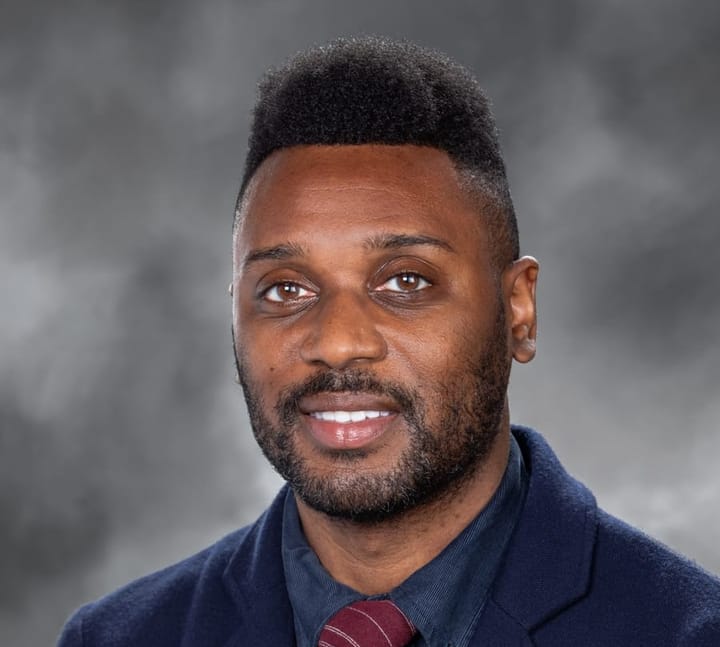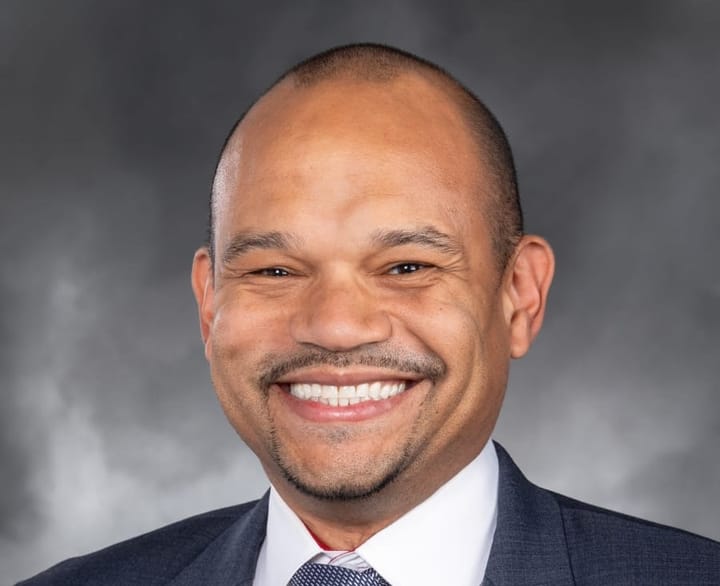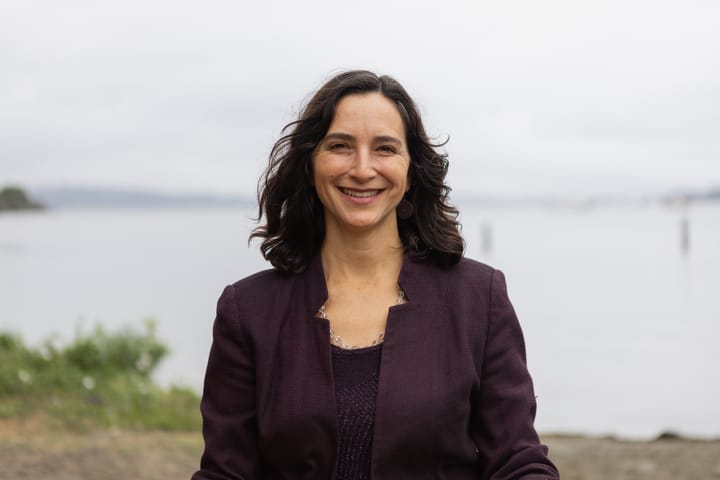

From Consumer Protection to Constitutional Defense: Nick Brown's First Year as AG
Washington AG Nick Brown confronts federal overreach by filing 49 lawsuits, protecting $15 billion in state funding while focusing on consumer protection, workers' rights, and defending state sovereignty against unprecedented legal challenges.
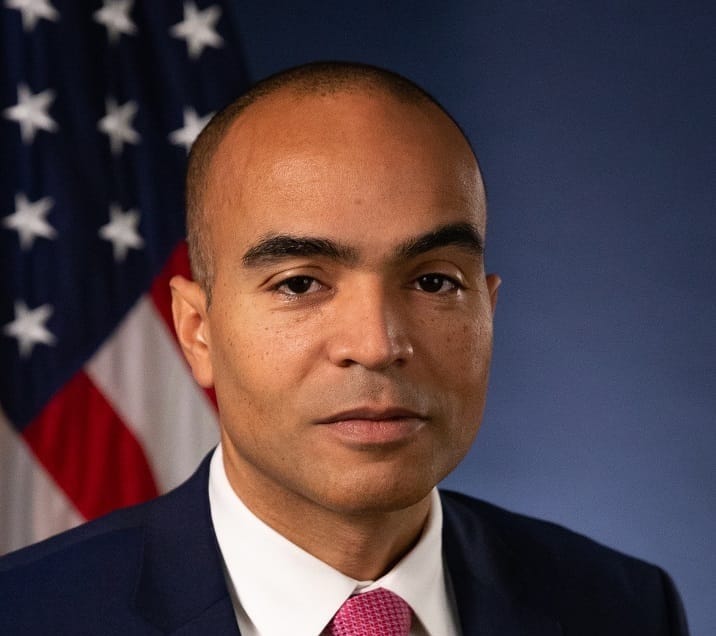
Washington State Attorney General Nick Brown has focused on protecting state residents, filing 49 lawsuits against federal actions and prioritizing consumer protection and workers' rights during his first year in office.
In a recent interview, Brown did not mince words about the current federal administration. "We're dealing with a president who doesn't give a damn about the law," he stated. By challenging federal actions in court, Brown's office has protected over $15 billion in potential funding cuts that would have impacted school districts, law enforcement, and state agencies.
Consumer protection remains a key focus. Brown's office has pursued cases against companies like RealPage, which uses algorithms to artificially inflate rent prices. "We brought a case last year against RealPage because they're not letting the market drive housing costs, they're using this algorithm to take advantage of people," he explained.
A new Worker Protection Unit represents another significant initiative. Brown is particularly passionate about addressing wage theft, describing it as a critical economic issue. "Wage theft is more loss to the Washington state economy than all other types of theft combined," he said. The unit aims to bring the same level of urgency to worker protections that society applies to traditional theft.
The AG's office has also been active in protecting vulnerable populations, including seniors facing housing discrimination. Brown noted cases against companies that mislead seniors about housing quality and contract terms.
Looking ahead, Brown acknowledged the emerging challenges of artificial intelligence. "There are a lot of positive impacts and a lot of really scary ones," he said, recognizing that the state is still in the early stages of understanding AI's potential implications.
Despite the challenging political landscape, Brown remains optimistic about his role. "I view my job as not a litigator, not even really just as a lawyer - my job is to be a problem solver and to help people in this state," he emphasized.
The office continues to work closely with other state agencies and attorneys general, particularly on election protection. Brown chairs the Election Protection Working Group for Democratic attorneys general, working to safeguard voting rights and election integrity.
Brown recognizes that with the rollback of federal protections, state attorneys general have become critical guardians of individual rights. As federal agencies retreat from civil rights enforcement, consumer protection, and environmental regulations, people are increasingly looking to state-level action to fill those crucial gaps. "We're not just on offense anymore," Brown explained. "We're on defense, trying to bring cases to protect people from actions that strip away fundamental rights and protections."
About the Guest
Attorney General Nick Brown
Nick Brown is Washington State’s 19th Attorney General. A graduate of Harvard Law and a former Army JAG lawyer and Bronze Star recipient, Nick served as lead counsel for Governor Jay Inslee and then as U.S. Attorney for the Western District of Washington under President Biden. As the state’s chief legal and law enforcement officer, Nick is committed to protecting public safety, advancing environmental and worker protections, standing up for civil rights, and holding the powerful to account when they violate our laws and harm the people of our state.
Resources
Washington State Office of the Attorney General
Washington Attorney General's Federal Litigation Tracker | Washington State Office of the Attorney General
Safeguarding Consumers | Washington State Office of the Attorney General
Antitrust/Unfair Trade Practices | Washington State Office of the Attorney General
Landlord-Tenant | Washington State Office of the Attorney General
RCW 59.18 - Residential Landlord-Tenant Act | Washington State Legislature
State v. Schwab - 1985 - Washington Supreme Court
Labor & Industries | Washington State Office of the Attorney General
AG Nick Brown launches Worker Rights Unit to enforce protections, fight exploitation | Washington State Office of the Attorney General
Podcast Transcript
[00:00:00] Crystal Fincher: Welcome to Hacks & Wonks. I’m your host, Crystal Fincher. On this show we talk with policy wonks and political hacks to gather insight into local politics and policy in Washington state through the lens of those doing the work, with behind-the-scenes perspectives on what’s happening, why it’s happening, and what you can do about it.
When we first interviewed Nick Brown, he was a candidate for Washington State Attorney General. Now, after a year in office, we're checking back in. With federal actions challenging state sovereignty, undermining election processes, and threatening fundamental rights, Brown's office has become a critical bulwark against unprecedented federal action. We'll explore how the state's top legal office does much more than most people realize - from representing every state agency to protecting consumers to pushing back against federal overreach. How does Brown manage an office of 800 lawyers across thirteen offices? What surprising challenges has he encountered? And how does his team navigate the complex landscape of protecting Washingtonians' rights in turbulent times? Join us for an inside look at the often unseen work of the Attorney General's Office.
Well, I am absolutely excited to be welcoming back - our Washington State Attorney General - Nick Brown to the program. Welcome back!
[00:01:33] Attorney General Nick Brown: Thank you for having me - it's good to be back.
[00:01:35] Crystal Fincher: Great to see you again, especially after all of the work that you've undertaken this past year. The Attorney General does so much, is responsible for so much. For those who may not be familiar with what our Attorney General does - what has been taking up most of your time? How does your work touch the lives of average residents here in the state?
[00:01:58] Attorney General Nick Brown: Well, I appreciate that as a starting point because - you're right, there's so many people - they know what the job is, but they don't know what it entails. And frankly, over the last year, there are so many things that I've learned that we do that I didn't know coming into the job that we would really be involved in. So we're the chief legal office for the state of Washington, which means by law we represent every state agency, board, and commission in the state. Which includes all of the agencies that folks are familiar with, like Department of Licensing or Department of Transportation - they all have lawyers that represent those agencies that work for me. That also includes all the very small boards and commissions - all the way down to like the Washington State Potato Commission, which has lawyers. But it also includes big agencies that people may not associate with the state - like the University of Washington, or all of our community and technical colleges - they're all represented by lawyers that work for the Attorney General's office. And that's somewhat unique. Not every state AG office represents all of their state agencies by law. And as a result, we're the biggest law firm in the state, second biggest on the West Coast. I've got over 800 lawyers in 13 offices across the state all representing state government.
But we separately represent the people of the state of Washington. So I'm a separately elected constitutional officer with independent authority to bring cases on behalf of the people of the state of Washington. And so in many ways, I'm the client and my team talks to me about cases that we want to bring on behalf of people. The most common are civil rights cases or environmental protection cases or consumer protection cases. And consumer protection and antitrust are the areas that probably most directly interface with the public. So think about a business that's misleading the public through their business practices or a company that's got a fraudulent product that's harming people - we can bring actions under the Consumer Protection Act on behalf of the people of the state of Washington, similar with environmental protection issues or civil rights issues. We also have a small but important criminal justice role. A lot of people think of us as prosecutors or the top cop in the state, and frankly, we're just not. I don't have original jurisdiction over any criminal matters except for a very small slice. But we do take criminal cases when a local prosecutor asks us to take a case. So if King County or Pierce County or whatever asks us to take a case because they have a conflict or they need help, we can take those kind of cases. Or the governor can directly ask us to take cases. But my principal job is to represent the people of the state, represent state government, and try to be the best law firm we can be. So it's been a busy, busy first year in office, just given the breadth and the scope of the work that we do.
[00:04:55] Crystal Fincher: Well, and you mentioned just kind of upfront that the office is so vast that there are so many things that you didn't even consider when running. What are some of the things that have been surprising to you in this role since you've taken office?
[00:05:13] Attorney General Nick Brown: Well, there are a couple different things that jump to mind. As I said, there are just so many legal issues that we deal with that I just never would have anticipated. I was familiar with representation of agencies and sort of the big cases that you might just hear about in the general public. But really, there's just such a myriad of issues that we're involved in - from representing the governor's office to providing advice to all these boards and commissions, that piece has really surprised me. The part about the job - to sort of get back a little bit to your first question that's been taking up a lot of my time is, it's just the management. I'm running an agency with almost 2,000 people spread across the state. We have 13 offices all across the state - big ones in Olympia and Tumwater and Seattle, but almost every geographical area in the state has an office. And so figuring out the right vision and management for my office and how we interface with the public - that's really important to me - to try to provide the best legal services that we can. And that interaction with my employees and the public really takes up a lot of my time. And the Trump stuff, which I'm sure we'll talk about - that's what's in the public the most often, but really it's only a small fraction of our work. Of all the cases that we do - we've got thousands of cases going on at any given time, we've got lawyers almost every day in courtrooms across Washington state - the vast majority of that has nothing to do with DC or the president or anything happening that's often in the press. That stuff is important, but it really represents just a small part of what we do.
[00:06:45] Crystal Fincher: Well, let's start off talking about the Trump stuff - the impacts from this federal administration, which legitimately have a lot of people concerned in so many different types of ways. What have you been hearing from the public? What have you been focusing most on when it comes to protecting Washingtonians and doing the best we can here in Washington state?
[00:07:09] Attorney General Nick Brown: Yeah, I didn't come into the work excited about battling with the federal government or suing the president - it's not really what interested me in being the Attorney General. But it is important that we continue to protect our state and hold people that break the law accountable. And from my perspective, we're dealing with a president who doesn't give a damn about the law - who has no concern for Congress or their authority, for states' rights, for Supreme Court precedent. This is not a man or administration that really has any interest in following the law if it doesn't suit them. And so as a consequence, so many of the things that they've done in their first year are plain violations of the law. Like whether you agree with what he's doing or you disagree, it is unquestionable that so many of his executive actions are against the law. And if you don't want to take my word for it, you can go to our website. We list every single case that we brought against the administration. You can see the entire court document. You can see that in - of the 49 cases that we brought, we've essentially won at least the beginning stages of almost all of those, not every single one, but the vast majority by a long shot. And that's because judges of all political backgrounds have found that the administration, the agencies that work for the president, break the law. And they do so on a continual basis.
And so, my job and my charge is to defend the United States Constitution and the Washington State Constitution. And so what we do is pretty simple in broad strokes. When we see something the administration is doing, the first question is - Is it illegal or is it unconstitutional? The second question is - Does it impact Washington? Because not everything that the president does is going to impact Washington or maybe not in significant ways. And then the third decision about whether or not we join a case is - Do we have to be part of the case to benefit and protect Washington? So there are a lot of things the president does that I disagree with in terms of his policy or priorities, but they may not be illegal. So if it's not illegal, we don't get involved. Or as I said, there are some things that impact Washington differently. But it is my obligation to defend the law - and I think to protect people, in particular those who are most vulnerable or impacted by what we've seen from the administration. And so when we see the administration strip away funding for environmental protections that Congress has authorized, when we see people in the administration try to strip away education funding from Washington state that Congress has authorized, and we see them attack healthcare for people in violation of the law, in violation of Washington law - then it is our job to fight back and challenge that.
And that has led now - we're in January - to 49 cases. That's almost three times as many as Washington did during the first year of the first Trump administration. But it's also not every single case. Some of my colleagues across the country, I think, are upwards of about 60 cases now. And so there are some cases that I look at or my team looks at and says - we disagree with the legal argument that was made or that it's impacting Washington differently than other states. But we have really leaned into defending Washington, defending our values. And the thing that I'm really most proud of is sort of twofold. One, we've been really steadfast in protecting people's rights. If they're doing something - even if it's not popular. If they're doing something that is harming Washingtonians, we're going to fight for their rights. And second, we've protected over $15 billion in funding cuts to Washington. $15 billion. And I think most people that are paying attention to state government knows that we have a pretty serious budget situation right now. And you have to imagine what - if we were not involved in suing the Trump administration, how much money state and local governments would have lost but for our interaction. That includes school districts across the state. That includes law enforcement agencies across the state. It includes many, many state agencies. And so we've been able to protect that much money in just a year. And we're going to have our work cut out for us going into this year, too.
[00:11:24] Crystal Fincher: That's had an enormous impact. When you were running, we didn't know who the president was going to be. We didn't know what we were going to see from the federal administration. And even for those who thought - Hey, we could very much have President Trump again - weren't sure about what the impacts from his administration would be. Turns out that - I think to a lot of people, especially with the disposition of the Supreme Court - people are feeling like our states are now the frontlines of democracy. Our state constitutions are what are protecting us. And our state attorneys general are really on the frontlines of protecting people's rights and liberties. Has that reality changed how you approach the job at all? Or has it changed your perspective at all?
[00:12:15] Attorney General Nick Brown: Yeah, well, let me just state it plainly. I think we have the most corrupt, immoral president - certainly in my lifetime, and I think in modern history. And I know we've gotten used to that. We've gotten used to an immoral man leading our country. We've gotten used to someone who lies with really no shame. We've gotten used to the fact that the president has tripled his wealth in less than a year in office. And we've accepted these ethical and legal violations as sort of the norm just because it's Donald Trump. But I cannot overlook that impact very easily. And I think you're right - I mean, Congress obviously has no courage, no gumption, no backbone when it comes to standing up to the president, even though we know that many there, including many Republicans, disagree and don't like what the president is doing. Most of them are feckless and weak. We know that the Supreme Court is increasingly acquiescent to the president's power in ways that will be lasting for generations. And so then it does fall on the states. And within the states, as you note, I think our attorney generals are probably the most important actors in terms of direct and quick action against the administration. Obviously, there are a lot of other people in state and local government that are doing good work to protect people. But our ability to see something and then be in court the next day and getting a judge to stop something from happening - that really puts us in a unique position to protect people. And so I don't think I understood really, until being in this seat, how important it was to have strong attorney generals across the country working in collaboration on so many issues. And obviously, we were super engaged in the first Trump administration. My predecessor did a lot to protect Washingtonians. But we're just doing more than ever, just given the scale and the scope of the illegal un-American actions that we're seeing from the president. And there's a lot more collaboration amongst Democratic AGs in particular than there ever was during the first time because there's - of the 49 cases that were involved in, we're leading or co-leading less than half of those. I think still almost about 20. But it's incumbent upon us to work in partnership with other states because no one state can lead any of these cases by themselves, or it's very hard. And the other thing, getting back to an earlier question too, the thing that surprises me is just how much coordination there is now across the country amongst attorney generals because of - what we're seeing from the administration requires that teamwork and that collaboration.
[00:14:49] Crystal Fincher: Now, I want to talk about consumer protection, which you deal quite a bit with. What kinds of consumer complaints are you seeing most often and how are you dealing with them?
[00:15:00] Attorney General Nick Brown: Well, we have a really robust Consumer Protection Division and really credit to Bob - to Attorney General Ferguson - in that role for really growing that division. And it's, as I said earlier, it's the issue that most directly impacts people in the state. All of us are consumers in some way or fashion. All of us are dealing with both local and national companies that operate here in Washington. And particularly right now, in these last couple of years, people are really concerned - and rightfully so - around issues of affordability, both housing and healthcare and childcare, and then the things that they buy at the store. And a lot of the affordability crisis is driven by business practices that violate the law. And so we get a full gamut of complaints in our Consumer Protection Division. And those run from - I bought something that was advertised to do X and it does Y. That runs also to housing related issues - which I really tried to focus on - where people are trying to get access to certain types of housing and they've been misled by a company. We're dealing a lot in that sort of same field in our Antitrust Division, as we see a lot of mergers. One that was very public was the proposed merger between Kroger and Albertsons. That's something that we were engaged in successfully in preventing because of the impact on consumers. But really, people just want to be treated fairly when they're buying stuff. And all of us buy stuff. And we just see so much, so many business practices that raise red flags. And we have a really, really robust Consumer Protection Act that helps protect people here.
[00:16:39] Crystal Fincher: Particularly when it comes to housing - what should renters, workers, or people carrying debt know about the cases your office is pursuing and what protections are available?
[00:16:51] Attorney General Nick Brown: Yeah, well, in the housing space, we traditionally have done some really good work. But also I think coming in was an area - for me - to recognize we had a lot of growth opportunity. So in the housing space, we've been really active over the last few years on preventing discrimination in housing. So using our Civil Rights Division to go after violations - people being denied the opportunity to buy or to rent because of their race or some protected personal issue or identification. And so we continue to bring those cases. In the last year, we brought a number of cases against housing providers for false business practices. And so we brought a case last year that's still ongoing against RealPage, which uses a software algorithm to falsely inflate rent prices. And that's both in King County and Snohomish County - so we sued RealPage because they're not letting the market drive housing costs, they're using this algorithm to take advantage of people. We've also been really focused on protections for seniors and people living in assisted living centers. And so we brought cases last year against a couple companies that were misleading seniors about the types of homes that they were renting, both in terms of the quality and conditions of those homes being advertised as luxury housing and then getting into a place with broken appliances and mold. Or advertising certain types of contracts that were misleading and really preventing seniors from being able to get out of those housing very easily. And then on the rental space, it is our office's job to enforce the new rent stabilization law that the Legislature passed last year. And so we've been really robustly trying to enforce that.
We don't have direct oversight of the Landlord-Tenant Act under Washington State, which is something that I would like to see change over the next few years. And so we don't deal directly with rental protections beyond some of the new laws that have been passed. But I also think there's a lot more work that we can do. My sort of big ideal would be to make it easier for people to build in Washington. We need more housing of all types across the state - in Seattle and in small towns in eastern Washington. And I think some of our current regulatory structure makes that more challenging. But we also need to hold people accountable when they abuse either renters or homebuyers - and there's a lot of that happening as well. And so, I've charged my team in our Consumer Protection Division, the Antitrust Division, and our policy shop to think about ways that we can make it easier to get more housing online for people - affordable, accessible housing - but also to make sure that we're robustly protecting Washington state law. And I think there's a lot of growth opportunity in that space for this agency to be more involved in.
[00:19:36] Crystal Fincher: Now, you said that you don't have jurisdiction over the Landlord-Tenant Act. Would that require legislative action?
[00:19:43] Attorney General Nick Brown: It would. Yeah, there's an old state Supreme Court case from the 80s that basically affirmed that we don't have authority over the Landlord-Tenant Act.
[00:19:52] Crystal Fincher: Who does?
[00:19:54] Attorney General Nick Brown: That's a good question. Mostly it's a local issue, right? So the cities and counties, depending on the jurisdiction you're in, have enforcement authority. We can enforce discrimination against renters based on race or gender or identity. We can enforce consumer protection laws that renters might be facing. But if you're getting mistreated in a violation of the Landlord-Tenant Act, we don't have direct oversight or authority there. But as I said, I hope the Legislature changes that in the near future.
[00:20:25] Crystal Fincher: Got it. I want to talk about workers. How does your office protect workers who may be afraid to speak up, including immigrants or people in precarious jobs?
[00:20:36] Attorney General Nick Brown: Yeah, that's a space that we're really keenly involved in, and we just created a new unit that I'll talk a little bit about. But for years, we've done work through our L&I [Labor and Industries] Division. So that works with the agency to intake complaints that workers are experiencing and then resolve those complaints with the worker and the employer. We've brought in cases in the past protecting workers from things like wage theft and worker safety conditions and discrimination, mostly through our Civil Rights Division. But we created a new division last year that's a Worker Protection Unit to help us think more proactively about cases that are harming workers - and particularly around wage theft. And wage theft is one of those issues that not a lot of people are aware of. But, you know, frankly, there are so many workers in this state whose wages are simply being stolen - they're not being paid what they were promised to be paid, there's contracting promises that are being made and disregarded. Or a lot of people, particularly people that are immigrant populations or undocumented, are taken advantage of under fear of enforcement action through immigration. And so we created a new unit. We're actually right now, this week and next week, in the process of interviewing to hire the new division chief or unit chief for that new work. And I'm really hoping that we can take something small and build it into something robust. And so we can look across industries to think about how do we better protect workers - because workers are getting screwed. I mean, we live in a state with some of the biggest companies in the world, some of the richest people in the world. And we also live in a state with a lot of people living at the margins and living paycheck to paycheck. And wage theft is more loss to the Washington state economy than all other types of theft combined - burglaries, home invasions, shoplifting - all that pales in comparison to wage theft. And what I'd like to do is just try to shift the focus a little bit. If somebody walks into - whatever - Target or Fred Meyer and steals something, we all recognize that as a crime and that something should happen to that person. When an employer steals hundreds of thousands of dollars from their workforce - at best, currently, it's a civil violation and they get a fine and they move on. And I'm not necessarily for criminalizing more of this stuff, but we need to bring that same level of urgency and framework to the issue of worker protections and wage theft in particular. So we got a new unit, we're working with L&I about enforcing these cases, and we're going to do as much as we can to make sure that we're making it easier for people to live in this state.
[00:23:14] Crystal Fincher: So when it comes to people who do feel like they may be being mistreated, or that there's illegal activity going on, that their wages are being stolen - how do they interface with the AG's office?
[00:23:29] Attorney General Nick Brown: Well, we get a lot of complaints through just our intake here. So our Consumer Protection Division has an intake field, civil rights. And then we get a lot of complaints just in general through our main phone lines and email. We also rely on great partnerships with both labor unions and the workforce to understand some of the issues that they're facing. So a lot of the cases that we brought in the last few years have been driven by that really positive working relationship that we have with our stakeholders and we need to build on that. One of my goals in general is to try to make this office more accessible and more transparent. That's why we try to put as much information online and try to be as present as we can be in the community - because I want people to understand that we are the people's law firm first and foremost. But a lot of people, when they're dealing with government, face barriers and feel barriers and it seems inaccessible. And so we've got to continue to try to work on ways to be more accessible, but we get a lot of cases directly or through our agencies that we support.
[00:24:28] Crystal Fincher: When should someone contact the Attorney General's office and when shouldn't they?
[00:24:34] Attorney General Nick Brown: Well, you know, our main areas that are directly impacting individuals are in the consumer protection space or immigration related issues. And even if we are not the right person to contact, we normally can point people in the right direction. So I don't ever want to tell people - Don't contact us. What I will say is that we don't represent individual people. So I get reproached all the time with people saying - I need you to help me with this issue. And sometimes we can help, but I'm not - I'm the people's lawyer, but I don't represent anybody. I represent the state of Washington as a whole. And so every time I sign my name to a complaint against a company or the administration or whomever, I take that responsibility very seriously because I'm speaking for the 8 million or so Washingtonians and not for any one individual. But we want to make sure that we can be a resource - and if we can't resolve your issue, then we'll help you find the right person. I guess I would say the main area is - a lot of people, again, think of us as the prosecutor for the state and we're just not. And it's really important that in addition to contacting us, you contact local law enforcement or local prosecutor to work with them - because on a criminal matter, most often, they're the first and best resource.
[00:25:49] Crystal Fincher: Got it. Now, you have talked about a lot that your office has been involved with. We have seen just the necessity of needing to take action in order to protect the residents' rights of the state. And it's demanding a lot of your office, it's demanding a lot of staff. And there's also been talk of budget challenges and shrinking budgets, which feels like that's a huge tension - at looking at potentially smaller budgets for an attorney general's office that needs that funding in order to do work on behalf of people. What does the budget situation for the Attorney General's Office look like now? And what should it look like?
[00:26:34] Attorney General Nick Brown: Well, we did a good job last session of working with the Legislature and the governor's office to understand the impacts that the budget situation has on us and to encourage them to continue to protect our funding. The first thing I would say is, so people understand, is that all of our affirmative cases - so the cases that I bring on behalf of the people, either against the company or against Donald Trump - all of that is funded by our other affirmative work. And so we don't have a separate budget allocation or budget line to allow us to sue President Trump. But when we bring a case against the company and we get fines back or penalties back, we use that money - one, to the best we can, to restore people that have been harmed and also to continue to fund our affirmative work. So our budget is kind of complicated. Most of the times when the Legislature tries to cut our budget - and we did take a cut last year - but that came out of our general fund budget, which is mostly our criminal work. And so we can do less criminal cases. We can do less organized retail theft, for example, which we do a lot of those prosecutions on behalf of local governments. But when they cut our budget, that's what it means - it means we're going to just do less cases. And the thing that I think most of the Legislature recognizes now is because we have a federal government that has totally shirked their duties when it comes to protecting people, the states filled a void. So in addition to being the first line of defense for people against the administration, we're also filling a void because this administration, obviously - they've totally gut their Civil Rights Division and they don't do civil rights cases anymore, which really breaks my heart because that was the purpose of the Department of Justice. They certainly aren't doing environmental protection work anymore, and so states are filling that void. They obviously have been cutting back in so many different areas, so it's incumbent upon states to bring those cases on behalf of the people. They've gutted Consumer Protection - the Bureau, right? They totally dismantled it and cut all its money. And every time I hear the administration talk about caring about working people - you care about working people, you don't gut the Consumer Protection Bureau. You just don't. But because they have, states fill that void. And so in addition to being the offense, we're on defense now and trying to bring cases to protect people from the administration.
[00:29:03] Crystal Fincher: What are the cases that you feel have most fulfilled your mission, been most fulfilling to work on, or that have really delivered the most for the residents of Washington?
[00:29:14] Attorney General Nick Brown: Well, that's asking me like which of my children I love the best. Look, I mean, there are so many cases that are never in the newspaper or never on the news, that people don't ask me about - that I know are having huge impacts for people in our state. And as I said, we represent all of our state agencies. We represent big agencies and small. And I really want to lift up the work that they're doing because it's important, even if it's not politically popular or in the headlines. But I have lawyers every day who are going to court to try to resolve harm to children. And that's pretty damn rewarding. And it's hard because we're dealing with people that have been impacted in very serious ways, but I know how hard and important that work is. In terms of the work that people are aware of and familiar with, we brought the first challenge against the administration around birthright citizenship. Because Donald Trump thinks he can rewrite the Constitution on his own. And to be the first case and to be in court challenging what it means to be an American - that's pretty important to me and pretty meaningful. And also, there are so many things that we do that are, I think, important, even if the public doesn't always love it. When we deal with issues around immigration - that's controversial, obviously. When we deal with issues around healthcare and dignity for transgender people, there's a lot of people in Washington who don't think we should be involved in that work. I don't care. If it breaks the law and it's harming people, we're going to stand up and fight for those folks, even if it's less popular. And some of that work to me has been really rewarding because I know that not everybody's going to stand in that void and not everybody wants to have that fight. And I know what it means for some of those people that are impacted by really just evil, mean-spirited actions from the administration, even if it's not going to impact most of Washingtonians or just a small segment of Washingtonians. But those cases are just important.
[00:31:14] Crystal Fincher: What issues are you watching closely over the next year that could affect communities or people across Washington?
[00:31:21] Attorney General Nick Brown: Well, there are the hot button issues or the big issues that I sort of touched on already. Obviously, we're dealing with an immigration landscape that is pretty scary for people. We're dealing with an administration that really is trying to seize as much power as possible. And the hypocrisy of Donald Trump and his team of states' rights and small government and this is someone who tries to seize power wherever - where he can - and that's going to impact states. That's top of mind for me. There are bigger issues - or other issues as well that are big - that are still in the early stages about, how do we navigate what AI is going to mean for our state and for our country. And that's both - there are a lot of positive impacts and a lot of really scary ones. But I'm really trying to get down to just the bread and butter of how do we make this a better place to live? How do we make it safer? How do we make it more affordable? How do we make government serve people better? And those are top of mind for me every day as we work with our lawyers serving their client agencies. Like, how do we just make Washington better? And some of those really small changes that we can do are going to be really important. There are big, almost existential issues facing our country, the health of our democracy. We just invaded and stole a president from another country a few days ago - that's out of my bandwidth. That's big and scary, but that is not impacting the day-to-day lives of most people in my state. And so we need to be really granular, focused on how do we just make people's lives better. And so we can do both - we can take on big challenges and small but important issues. But really, the landscape of America is changing very quickly. And any way that we can use our expertise here as lawyers, as policymakers - the better.
[00:33:09] Crystal Fincher: We have elections coming up once again this year - midterm elections, in addition to some state and local positions here in the state. There's a lot of concern about potential federal interference, meddling challenges presented when it comes to our elections. Right now, we're navigating through potential changes to ballot postmarks and what that means for elections. What's on your radar? Are you working with agencies throughout the state? How are you planning to protect the integrity of our elections?
[00:33:47] Attorney General Nick Brown: Yeah, I'm really glad you brought this up because - well, it feels like we're always in an election season around here. But this is one of those issues that - it's just so foundational to everything else. If you don't have fair and safe and accessible elections, then everything else can fall by the wayside. And we've certainly seen a president who will do everything that he can to shape the outcome of election - before the election and after an election. And as a consequence, we have to be very, very diligent to protect our ability to run our own election. So we're currently - we have two lawsuits against the administration around election issues. He issued a couple executive orders that are really trying to take power away from the states. And I will tell you, this is kind of a bipartisan issue amongst my Republican and Democratic colleagues. Like we all recognize that the laws of the United States give authority to administer elections to the states. This is not a federal function. And so any effort to take or change our legal requirements or our systems is almost plainly unlawful. And so we try to protect our systems very carefully. We have a very good election system here in Washington - we have some of the highest voter turnout, we have election results that have been audited multiple times in the past. People should have great confidence in our elections, but they don't because of the nonsense that comes out of the president's mouth.
So as a result, we as an office are really involved in a lot of election protection work. And part of my role is - I chair the Election Protection Working Group for all the Democratic attorney generals. And so, we're working with our colleagues across the country on learning how we can protect people's right to vote, how we can protect from interference in elections, how we can litigate issues that we have to after an election or if we see something that's unlawful happening. And so there's a lot of learning and collaboration that we're doing right now with other states - a lot of sort of game planning particular scenarios. We work really closely with our Secretary of State's office to make sure people understand their rights. Elections are run through the Secretary of State, but all the county and local election officials - they're also on the receiving end of so many threats and harassment these days, which is really remarkable that small town officials just trying to do their best to run an election are being victimized by people. So we want to make sure that they understand all of their rights and protections. But there's a lot going on in our office and working with our agencies to make elections as smooth as possible.
[00:36:24] Crystal Fincher: As we close this conversation, if there's one thing that you'd want people to take away from this conversation or to think about when thinking about you and your work, what would that be?
[00:36:37] Attorney General Nick Brown: Well, let me give you two things. One, despite all the chaos and stress of the moment, I'm having so much damn fun being Attorney General. So that's just my personal note. There are very few jobs, at least in my experience, where you come to work and you get to feel like the work that you do has an impact and it matters. Everything that happens in this office, everything that I get to decide on matters. And that's firstly very rewarding and also just really fun. And I don't want people to be able to take away the joy in this moment because there are people who are trying to do that. And two, I view my job as not a litigator, not even really just as a lawyer - my job is to be a problem solver and to help people in this state, both agencies and individuals, navigate problems. And we've got big, big problems in this state around safety, around affordability, around personal and individual rights and dignity. And we need to figure out how we can best maximize our skills and our role to solve people's problems. And I'm really excited and proud of the team here. We've got tremendous public officials. I've got almost 2,000 employees who come to work and could be paid more doing something else and have less stress. But people come here for a portion of their career or for all of their career because they want to make Washington a better place to live. And to lead that team is really inspiring me. And so we want people to understand they can access us, they can reach out to us, and we can help try to solve their problems.
[00:38:07] Crystal Fincher: Well, I appreciate all of the work that you and your team have been doing. I think a lot of Washingtonians feel the same. Thank you so much for taking some time out to share what you're working on and how it's impacting the residents of Washington.
[00:38:23] Attorney General Nick Brown: I appreciate that - thanks for having me on.
[00:38:26] Crystal Fincher: Thank you for listening to Hacks & Wonks, which is produced by Shannon Cheng. You can follow Hacks & Wonks on Bluesky @HacksAndWonks. You can find me on Bluesky at @finchfrii - that's F-I-N-C-H-F-R-I-I. You can catch Hacks & Wonks on every podcast service and app - just type "Hacks and Wonks" into the search bar. Be sure to subscribe to get the full versions of our Friday week-in-review shows and our Tuesday topical show delivered to your podcast feed. If you like us, leave a review wherever you listen. You can also get a full transcript of this episode and links to the resources referenced in the show at officialhacksandwonks.com.
Thanks for tuning in - talk to you next time.