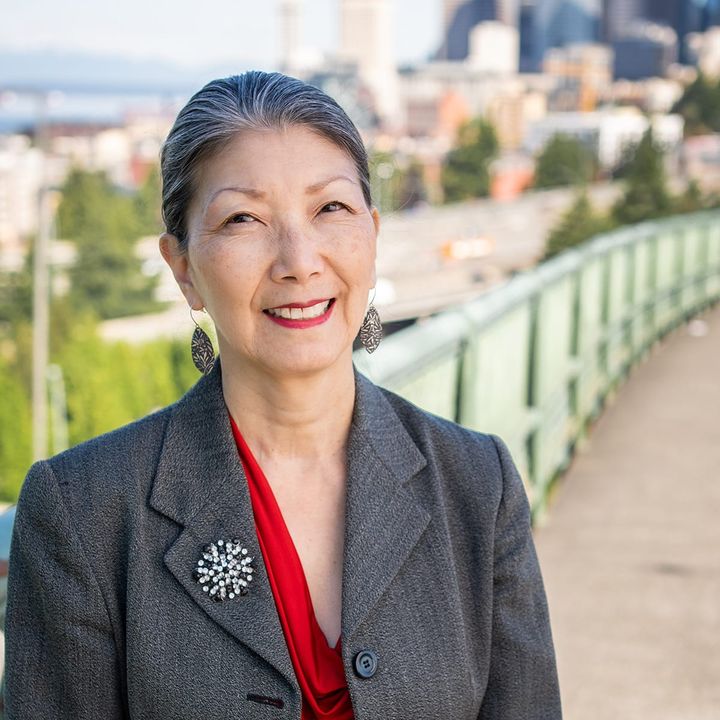

Port Commissioner Toshiko Hasegawa Shares Vision as King County Council District 2 Candidate
Port Commissioner Toshiko Hasegawa is running for the King County Council District 2 open seat and shares her priorities, including prioritizing criminal legal reform, affordable housing, child homelessness, and resisting federal overreach
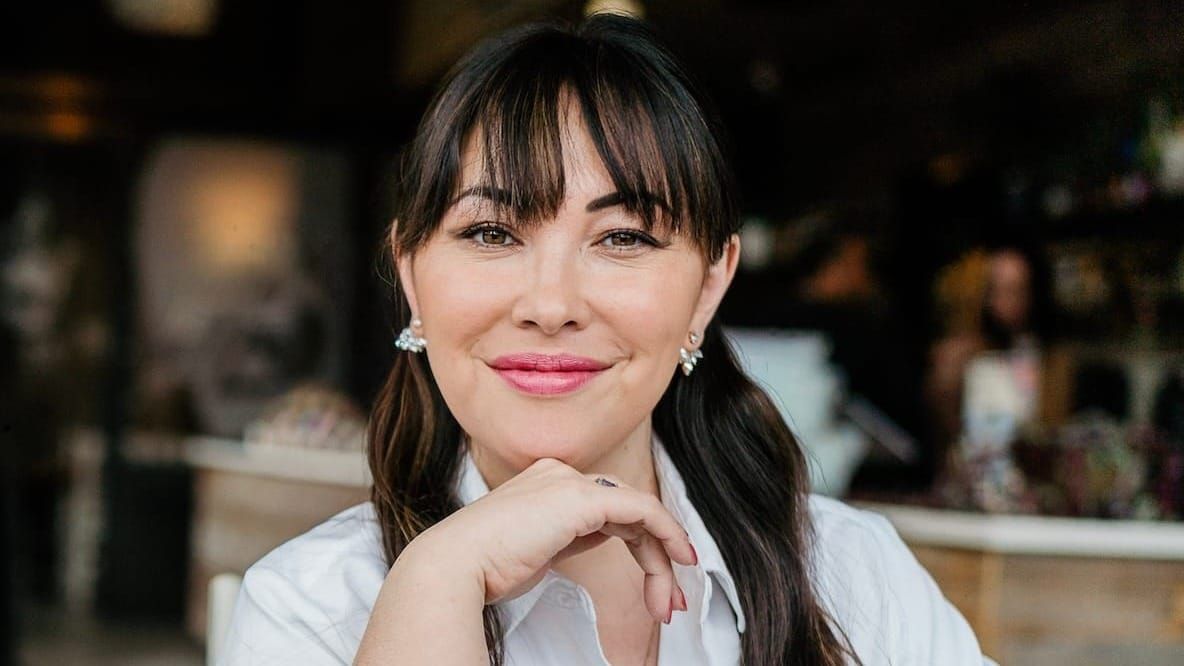
Toshiko Hasegawa, a Port of Seattle Commissioner and Beacon Hill resident, is running for the King County Council District 2 seat in one of the most consequential local races of 2026. In a wide-ranging interview on the podcast Hacks & Wonks, she laid out her vision on housing, homelessness, public safety, transit, the county budget, federal funding threats, labor rights, and environmental accountability at the Port.
The King County Council seat she is seeking is not a minor office. The nine-member Council serves as the legislative branch of a government covering more than 2.3 million people across 39 cities and large stretches of unincorporated land.
Councilmembers write a multi-billion dollar biennial budget that funds everything from public health and Metro Transit to parks, housing, and the criminal legal system. They hold oversight power over the King County Sheriff's Office and the jail, set funding for public defenders and the prosecuting attorney, and hold seats on the Sound Transit Board. They are also the primary governing body for the roughly quarter million people living in unincorporated King County, including communities like Skyway. For residents of District 2, which includes Beacon Hill, Columbia City, Mount Baker, the Rainier Valley, the Central District, and Skyway, the person who wins this seat will have direct influence over nearly every system that shapes daily life.
Why She's Running: A Family Story Rooted in South Seattle
Hasegawa opened the interview with a deeply personal account of why she is seeking the seat. Her family has been in the Beacon Hill neighborhood for four generations, a history that spans incarceration in American concentration camps during World War II, the civil rights movement, and the labor movement.
"Everything that my great-grandfather had worked for was taken from him, when his bank account was frozen and his assets were seized, and his four children were put in American concentration camps," she said. Coming out of those camps, her grandfather was able to purchase a home in Beacon Hill and raise his family there. Today, her two children, ages five and two, attend El Centro de la Raza, the same school their grandfather once attended.
That generational thread drives her candidacy, she said, because it is now in danger of being broken. "I have just this growing concern that [my kids], like so many other people, might not be able to stay in this place that they call home and give back to the community that's given so much to them. Affordability is indiscriminate. It's impacting everyone."
She said she chose to run for the County Council rather than remain at the Port because the need and the opportunity are both unusually large. "It requires all of us to ask: how can we give the best of ourselves for our community?"
The Budget Crisis: Redirecting Criminal Legal System Spending
King County faces a continuing structural budget deficit after a $150 million shortfall in the last budget cycle. The State Legislature has not provided a long-term revenue fix, and federal funding is increasingly under threat. Hasegawa argues the path forward requires rethinking how the County allocates what it already spends, not just finding new dollars.
"Nearly 80% of the County's budget goes towards the criminal legal system," she said. "And I've dedicated the better part of my career to navigating, understanding, and working to reform these systems." Her argument is that a legal system that is largely reactive, responding to crises rather than preventing them, produces expensive and ineffective outcomes. "Our systems are largely reactive and they are not serving to change the trajectory of our community members. And in many cases, they do more harm."
Her alternative is to invest more heavily in diversion at every stage of the legal system, from pre-filing diversion and restorative justice, to connecting people with service providers and workforce development opportunities before a case ever reaches a courtroom. She pointed to the Seattle Community Court, where she worked on inaugural staff, as evidence that pre-trial diversion reduces recidivism. "We need pre-filing diversion. That … means that they're sitting down, they’re engaging in restorative justice, and when that's been satisfied, it doesn't need to get as far as court."
She was blunt about the State Legislature's role. "We have been imploring them to give local government more tools since I worked at the County Council. … The Legislature has not acted." She also criticized the Legislature for passing a Millionaires' Tax that faces legal challenges and will not take effect until 2029 at the earliest, while simultaneously cutting funding for early learning, child care, and public defenders. "That's just robbing Peter to pay Paul. It doesn't work."
On bonding capacity and innovative revenue, she said the County should use every tool available and indicated she is open to discussing new approaches.
Resisting the Federal Government: Standing Firm on Equity
Hasegawa was unambiguous about how King County should respond to the Trump administration's attempts to tie federal funding to the rollback of diversity, equity, and inclusion programs and to cooperation on immigration enforcement.
She said the appropriate first response is legal action, as the Port of Seattle and other local governments have pursued. But she drew a sharp line on any notion of rolling back the County's commitments to equity in exchange for federal dollars.
She described the Port's response to federal pressure on its Office of Diversity, Equity, and Inclusion in blunt terms: "We have said - F*** you, pay me, and we're not going to roll back our office. And that looks like - beyond legal action - that looks like continuing to invest in what we know works."
She argued that equity programs are not merely symbolic but operationally essential. "Equity, diversity, being a sanctuary city, being a welcoming county - all of that is actually in our interests. It's more than just feeling good. It's actually about what the kind of ecosystem we're creating so that people can move past survival towards thriving and contributing."
Asked specifically whether she would vote to protect marginalized populations even if it meant risking federal funding, she said yes without qualification. "Yes, absolutely."
She also made clear she supports the County defending specific grant awards that the federal administration has sought to rescind. "We have to fight to defend our keep. … I call their bluff. They're wrong. They're wrong morally. And they're also wrong practically."
Housing: Streamlining Permitting, Density by Community Will, and a Countywide Levy
On housing affordability, Hasegawa described a multi-pronged approach, beginning with acknowledging that supply must increase. She pointed to the permitting process as something local government can directly improve.
"Think of construction as having hard costs and soft costs. And hard costs are really hard for us to control at local government. … But we can streamline our permitting review process, where oftentimes things can get held up for incredibly long amounts of time, and there is a cost to delay."
She expressed support for the countywide housing levy that newly elected King County Executive Girmay Zahilay has announced he is planning, expected to launch in 2027. She also spoke to the need for private investment partnerships, framing development as "an investment with a [return] … that's going to be paying back into King County."
On the question of whether to end single-family zoning in unincorporated areas, Hasegawa stopped short of a blanket endorsement, instead emphasizing that density should be driven by the communities themselves, not imposed on them.
When the host, Crystal Fincher, drew a connection between historical redlining and where density has typically been concentrated and where it often continues to be pushed, she acknowledged that "there is overburdened communities that have absorbed their fair share of density," but said the answer is not to avoid density in those communities, but to ensure that development happens on the community's terms.
She pointed to Africatown in the Central District and Skyway as models, where community land trusts give residents control over what gets built and for whom. "That's not happening to them, it's happening by them." She noted that Skyway residents have been specific about wanting density, and that increased population density would actually help reduce Skyway's inequitable water bills by spreading fixed costs over more households. "More people living in Skyway just means more people are going to be sharing those costs. It's going to bring down the cost of that water bill. Density actually is one of the answers to that."
On the question of transit-oriented development, she called for using the ground floors of new buildings near transit stations for child care centers and grocery stores, not just retail, describing a County incentive structure for developers who do so. "People will use their services close to where they live, close to where they work, or along where they travel. That's why transit-oriented development is so crucial."
Homelessness: Zero Child Homelessness as a County Goal
Hasegawa said she wants King County to set an explicit goal of zero child homelessness, and described a recent walking tour of the tent city near the Mount Baker light rail station.
"There's families in there. … There's tons of kids in there," she said. She pointed to research showing that childhood homelessness and incarceration are the strongest predictors of those same outcomes in adulthood. "We are failing those kids when we just look the other way and let them slip through the cracks."
She said she would support purchasing vacant hotels for emergency shelter, similar to the Civic Hotel model, but would structure it to give preference to families with children, on the grounds that housing stability directly affects children's access to consistent schooling and better long-term outcomes.
She also called for dedicated caseworkers for people entering the system, to help them navigate the paperwork and bureaucracy that she said functions as an invisible barrier. "Every problem has paperwork behind it and it's intimidating and it's difficult, and frankly not everybody has the technical or the cultural accessibility to be able to comply with what's required of them."
Hasegawa tied homelessness directly to workforce development, arguing the County cannot address one without the other. "King County has to step into its power in workforce development. We have to proactively connect people to apprenticeships and moneyed opportunities where they can earn." She called on labor partners to see themselves as part of the solution, not just as builders of housing infrastructure, but as the safety net that can put people to work.
Public Safety: Prevention Over Punishment, Investing in Youth
Hasegawa offered an expansive definition of public safety: "being happy, healthy, and autonomous." She said safety is something that has to be actively created, not just enforced. She was explicit that she does not believe a larger visible police presence is the most effective way to reduce crime, and that she views the King County Sheriff's Office as currently too large.
Her approach centers on breaking what she described as reactive cycles in the current legal system. "Right now we have a legal system that is largely reactive. It responds to deviance, right, and occurrences - and we punish, and we charge, and we do little to address the underlying need that may have been the catalyst for that deviance to begin with. And as a result of that, we're not doing anything to interrupt these cycles. We're actually exacerbating them." She said she wants District 2 to reach a place where "gun violence is no longer the leading cause of death of youth in District 2, where the graduation rate is higher and the youth jail is at an all-time low."
She said the most powerful preventive investment available to the County is youth programming. "There is no more worthy preventative measure than investing in our youth," she said, describing a vision that runs from early learning and child care for families all the way through consistent after-school opportunities. She added that youth should be in the driver's seat in designing violence prevention strategies because, as she put it, "they also know what's going on. They know the landscape and they know what they want, what they need."
She said she recently released a comprehensive criminal legal reform platform, available at VoteToshiko.com.
She is opposed to automated license plate readers and supports a ban on facial recognition technology in County use. She said she will vote against increasing the Sheriff's Office budget in the next biennial cycle, and supports expanding non-deputy crisis response teams.
Public Defenders: A Constitutional Floor, Not a Discretionary Line Item
The King County Council sets the funding for public defenders, and a recent state-mandated reduction in caseload limits means the County needs significantly more public defenders to guarantee people's constitutional right to representation.
Hasegawa said she will not reduce public defender FTEs under any circumstances. "Our system requires justice, and not having adequate representation is where miscarriage of justice can happen." She added that public defenders are "catalysts for social justice" and said their work should be seen as part of a system that gets people out of cycles rather than deepening them.
She argued that successful diversion, restorative justice, and pre-trial alternatives would reduce caseloads over time, generating cost savings that could be reinvested in defenders and other legal system reforms. She acknowledged the current situation is precarious, particularly with state cuts compounding an already underfunded system.
Transit: Don't Sacrifice Infrastructure Quality for Speed or Cost
On transit, Hasegawa said she wants the full Sound Transit 3 plan built as voters approved it in 2016, without cuts to lines or stations. She noted that the light rail in District 2 runs at grade, rather than underground or elevated, precisely because of past cost-cutting decisions. "I do not believe that we should sacrifice quality of infrastructure just to get it done quickly or cheaply."
She said Sound Transit must return to the State Legislature to obtain the financial authority it needs to stay on track, and that transit infrastructure projects are also an important tool for maintaining union jobs in a potential economic downturn.
On King County Metro, she expressed strong support for converting the Route 7, which runs through some of the most transit-dependent communities in the region, into a RapidRide line as quickly as possible. She said that while bus electrification is a worthy goal, it cannot come at the cost of service frequency and reliability. "We cannot sacrifice the regularity and dependability of service for that transition."
Port of Seattle: Emissions, the Airport Expansion, and Labor
Hasegawa's opponent posed a challenge about her environmental record at the Port, noting that carbon emissions have increased since her election in 2021 and that the Port is not on track to meet its 2030 goal of a 50% reduction compared to 2005 levels. More than 40 environmental justice organizations have raised concerns that the proposed airport expansion violates the HEAL Act.
Hasegawa drew a distinction between Scope 1 emissions, which the Port directly controls, and Scope 2 and 3 emissions, which it can only influence. She said the Port has aggressively decarbonized its marine terminals and cargo docks, and is the only Port in North America offering shore power at every single berth.
On the airport expansion, she said the Sustainable Airport Master Plan involves 39 separate projects to be considered individually by a future commission over 10 years, ranging from rebuilding the fire department to adding new terminals. She said Sea-Tac Airport is currently absorbing 100% of the region's air travel demand because the State Legislature has failed to advance a conversation about siting a second airport. "We have screamed and we have insisted that they advance that conversation at the state level and they haven't."
She said she is leading an effort at the Port to apply HEAL Act principles to each project on a case-by-case basis, to identify overburdened communities and pair projects with mitigation and economic opportunity.
On labor, Hasegawa was critical of how a recent SEIU 6 labor action at the Port played out, expressing disappointment that Port of Seattle Police, represented by Teamsters 117, crossed the picket line. She said she wants to find ways to lower the threshold that triggers an enforcement response to demonstrations, and praised the work of Commissioner Mohamed as a thought partner on advancing First Amendment rights at the Port. "We get to think creatively about how we can advance First Amendment rights."
Campaign Funding and Donor Accountability
Asked whether her donor list fairly represents her values, Hasegawa said yes, and offered a specific contrast with her opponent. "I'm the only candidate that doesn't accept money from a police union."
She also addressed her early support for Tanya Woo in a previous Seattle City Council race, saying it was motivated by a desire for representation in the Chinatown International District and Little Saigon, but that she came to regret it as the campaign revealed Woo's positions, and she went on to support Alexis Mercedes Rinck. She expressed gratitude for the endorsements she has received from Seattle City Councilmembers Rinck and Eddie Lin.
Hasegawa disclosed that an endorsement she does regret is her past support for Seattle Mayor Bruce Harrell. She has since voted for his challenger, Katie Wilson, in both elections she participated in.
About the Guest
Toshiko Hasegawa
Toshiko Grace Hasegawa is running to be the next King County Council Member representing District 2. She is currently a Port of Seattle Commissioner, a small business owner, and a fourth-generation Japanese American from Beacon Hill, South Seattle. First elected in 2021, she is the first Asian American woman to serve on the Commission in its 110-year history. Driven by her commitment to civil rights and equity, Toshiko works to advance environmental and economic goals that benefit both communities and businesses. Previously, Governor Jay Inslee appointed her Executive Director of Washington State's Commission on Asian Pacific American Affairs, making her the youngest woman of color to lead a cabinet-level agency in state history. She has also held roles in legislative offices at all levels of government. She holds a Master's degree from Seattle University and lives on Beacon Hill with her husband and two children.
Resources
Podcast Transcript
[00:00:50] Crystal Fincher: This is Hacks & Wonks, where we talk politics and policy in Washington State and cover what's happening, why it's happening, and what you can do about it.
Today, we're going to talk to a candidate for King County Council again. King County is one of the largest counties in the country, home to more than 2.3 million people, across 39 cities and a lot of unincorporated land. The nine-member King County Council serves as the legislative branch of this government, balancing two roles - one, acting as a regional authority for all residents and two, as the local municipal government for the quarter million people living in unincorporated areas. Councilmembers set the county's biennial budget, a multi-billion dollar budget that funds public health, the criminal legal system, Metro Transit parks, and housing programs. While the executive branch manages daily operations, the Council exercises budgetary and policy oversight of the King County Sheriff's Office, the jail system, and they set the budget for the county's prosecuting attorney and establish policy and funding for public defender services, environmental programs, and emergency management. They often serve as the link between implementing federal and state policy at the local level. They serve as key funders and board members for the King County Regional Homelessness Authority. They confirm department heads and hold several seats on the Sound Transit Board. The decisions made by the King County Council touch nearly every aspect of daily life for residents across the region. To pull back the curtain on these decisions and how they'll shape the future of our neighborhoods, we're talking to the people who are running to represent you on this Council, so we can get to know who they are and how they plan to navigate many of the challenges facing the county.
Today, we're joined by Toshiko Hasegawa, a Port of Seattle Commissioner who is now running for King County Council District 2. Welcome!
[00:03:06] Toshiko Hasegawa: Thank you so much for having me, Crystal.
[00:03:08] Crystal Fincher: Excited and excited to talk about your race for King County Council. Hope things are going well - they certainly seem to be. So we're going to start off here with our lightning round questions and then move into just general long form questions. Lightning round questions are just yes or no or couple word answers, super fast. Not everything is as simple as a super fast answer - we try and construct these as if they are. But if it doesn't fit in, if it's not a clean yes or no, just waffle or punt. And you'll have a chance to explain yourself when we talk about that. But that doesn't mean that you're wrong. It's just more for you to explain and people can get a better idea of where you stand.
So we will start with, do you own or rent your residence?
[00:04:01] Toshiko Hasegawa: Own.
[00:04:02] Crystal Fincher: Do you own any additional residences?
[00:04:05] Toshiko Hasegawa: I do not.
[00:04:07] Crystal Fincher: Have you ever been a member of a union?
[00:04:10] Toshiko Hasegawa: I have.
[00:04:12] Crystal Fincher: Have you ever walked on a picket line?
[00:04:14] Toshiko Hasegawa: I have.
[00:04:16] Crystal Fincher: Is your campaign staff unionized?
[00:04:19] Toshiko Hasegawa: They are not.
[00:04:21] Crystal Fincher: If they want to unionize, will you voluntarily recognize their effort?
[00:04:26] Toshiko Hasegawa: Sure.
[00:04:27] Crystal Fincher: What political party do you identify with?
[00:04:30] Toshiko Hasegawa: I am a Democrat.
[00:04:32] Crystal Fincher: Have you used the library system in the past month?
[00:04:37] Toshiko Hasegawa: Ooh, I have.
[00:04:39] Crystal Fincher: I love the library. Have you or someone in your household ever relied on public assistance?
[00:04:46] Toshiko Hasegawa: Yes.
[00:04:48] Crystal Fincher: Have you ever been stopped or questioned by police in Seattle?
[00:04:54] Toshiko Hasegawa: Yes.
[00:04:55] Crystal Fincher: Have you ever worked in retail-
[00:04:56] Toshiko Hasegawa: But to be fair, they've also been stopped and questioned by me.
[00:05:01] Crystal Fincher: Have you ever worked in retail or a job where you had to rely on tips?
[00:05:05] Toshiko Hasegawa: Very much so.
[00:05:07] Crystal Fincher: Have you ever owned a business?
[00:05:10] Toshiko Hasegawa: Yes.
[00:05:11] Crystal Fincher: Have you managed a team of 10 or more?
[00:05:16] Toshiko Hasegawa: Yes.
[00:05:17] Crystal Fincher: 100 or more?
[00:05:19] Toshiko Hasegawa: Not directly.
[00:05:21] Crystal Fincher: Have you ever reported someone's misconduct in your workplace?
[00:05:25] Toshiko Hasegawa: I have.
[00:05:27] Crystal Fincher: Have you ever fired someone?
[00:05:29] Toshiko Hasegawa: I have.
[00:05:31] Crystal Fincher: Do you believe King County should reduce its overall number of employees to cut costs?
[00:05:37] Toshiko Hasegawa: No. That should be the last cost-saving strategy.
[00:05:42] Crystal Fincher: Do you believe the County relies too much on contractors?
[00:05:52] Toshiko Hasegawa: No.
[00:05:54] Crystal Fincher: Are you open to privatizing some County services if it proves more efficient?
[00:05:58] Toshiko Hasegawa: That gives me the heebie-jeebies. I don't think so. Privatizing what?
[00:06:06] Crystal Fincher: Do you believe King County government is currently sufficiently transparent?
[00:06:14] Toshiko Hasegawa: No. I mean, there's so much that government can do to promote transparency. And then transparent to who? Who has access to what you're being transparent about? Oops, sorry.
[00:06:23] Crystal Fincher: A reminder?
[00:06:24] Toshiko Hasegawa: Yeah.
[00:06:24] Crystal Fincher: One or two word answers.
[00:06:26] Toshiko Hasegawa: No.
[00:06:27] Crystal Fincher: Do you support King County issuing more bonds to fund large capital projects?
[00:06:32] Toshiko Hasegawa: I do.
[00:06:34] Crystal Fincher: Would you support tolling on King County roads beyond existing toll lanes to fund transportation projects?
[00:06:41] Toshiko Hasegawa: No.
[00:06:42] Crystal Fincher: Should King County prioritize investments in pedestrian and cycling infrastructure over new road construction?
[00:06:50] Toshiko Hasegawa: Yes.
[00:06:51] Crystal Fincher: Should King County Assessor John Wilson resign immediately as he is facing charges for violation of a no-contact order and allegations of domestic violence and stalking?
[00:07:01] Toshiko Hasegawa: Yes.
[00:07:03] Crystal Fincher: Should the King County Assessor be an appointed rather than elected position?
[00:07:08] Toshiko Hasegawa: No.
[00:07:10] Crystal Fincher: What's your favorite park in the district?
[00:07:13] Toshiko Hasegawa: Seward Park. Hands down.
[00:07:15] Crystal Fincher: What's your favorite restaurant in the district?
[00:07:19] Toshiko Hasegawa: Ooh - tough questions. I'm going to go with Carnitas Michoacan.
[00:07:32] Crystal Fincher: What's the last live performance you saw in the district?
[00:07:37] Toshiko Hasegawa: Ooh, I have tickets for JVN coming up, later this month. Last live performance. Oh my gosh, I think it was Lil Wayne.
[00:07:48] Crystal Fincher: What's your favorite song?
[00:07:50] Toshiko Hasegawa: Oh no, I saw the Hip-Hop Orchestra by Candlelight at Langston Hughes.
[00:07:56] Crystal Fincher: Oh nice.
[00:07:57] Toshiko Hasegawa: That was incredible. Highly recommend. I'm sorry, what was your question?
[00:08:01] Crystal Fincher: What's your favorite song?
[00:08:03] Toshiko Hasegawa: Currently or historically?
[00:08:04] Crystal Fincher: Both.
[00:08:07] Toshiko Hasegawa: Historically, I think - well, and the soundtrack to my life is Lynguistics, L-Y-N-G-U-I-S-T-I-C-S, by CunninLynguists, from their SouthernUnderground album. Right now, gee whiz - I listen to a hell of a lot of kids' music, but um - [singing] Baby, where the hell is my husband? That's not kids' music - that one's for me.
[00:08:31] Crystal Fincher: No, but, um, Gracie's Corner for kids' music has done numbers in my household.
[00:08:37] Toshiko Hasegawa: Noted.
[00:08:38] Crystal Fincher: What is your favorite album?
[00:08:40] Toshiko Hasegawa: Oof. Probably... gee whiz. These are really hard questions. Policy questions are easier. Well, my favorite album? Um... I waffle. I gotta come back to that.
[00:09:10] Crystal Fincher: All right. Who's your favorite local artist?
[00:09:18] Toshiko Hasegawa: My favorite local artist? I love Jake Prendez. He's incredibly talented. I love what he's doing for community. You should check it out if you haven't been there.
[00:09:32] Crystal Fincher: What's the last song you listened to?
[00:09:42] Toshiko Hasegawa: Honestly, I think it's - the best honest answer is gonna be Raffi - Down By The Bay. Pray for your girl.
[00:09:55] Crystal Fincher: There you go. What's the most recent book you read?
[00:10:01] Toshiko Hasegawa: I actually picked up a leisure book. And I even got like three chapters in. This, this was like months ago. You're going to have to cut this. Let me go check my notes and I'll be right back. It's right there in the other room.
[00:10:22] Crystal Fincher: We can punt that. We can come back. What's your top book recommendation for listeners?
[00:10:32] Toshiko Hasegawa: Oh, man. My top book recommendation. Abundance was good. Abundance - I think that kind of nods towards where we are - never mind. Abundance.
[00:10:49] Crystal Fincher: What was the last sports event you attended?
[00:10:51] Toshiko Hasegawa: I didn't get to go to the Seahawks parade. I was not one of the 750,000. The last sports event I attended. This question's hard. I think the last one I attended had to have been a Mariners game.
[00:11:17] Crystal Fincher: Okay.
[00:11:17] Toshiko Hasegawa: Yeah.
[00:11:18] Crystal Fincher: What's your favorite cafe or coffee house in the district?
[00:11:23] Toshiko Hasegawa: Cafe Flora is amazing on Madison.
[00:11:27] Crystal Fincher: Have you ever contested a traffic ticket?
[00:11:32] Toshiko Hasegawa: Yes.
[00:11:33] Crystal Fincher: Have you ever served on a jury?
[00:11:36] Toshiko Hasegawa: I have and it changed my life.
[00:11:38] Crystal Fincher: I love jury duty. Have you ever been arrested?
[00:11:42] Toshiko Hasegawa: No.
[00:11:44] Crystal Fincher: Have you taken transit in the past month?
[00:11:47] Toshiko Hasegawa: Yes.
[00:11:48] Crystal Fincher: In the past week?
[00:11:50] Toshiko Hasegawa: Yes.
[00:11:51] Crystal Fincher: Have you ridden a bike in the past month?
[00:11:56] Toshiko Hasegawa: I've been asking Santa for a bike the last six years in a row. Guess who just came through? Guess who's waiting for the sun to come out so I can ride my bike for the first time? I know. We'll see if it works. See if she's still got it.
[00:12:12] Crystal Fincher: Do you prefer cats or dogs?
[00:12:15] Toshiko Hasegawa: I'm a cat person who's currently in love with a dog.
[00:12:20] Crystal Fincher: What's your favorite season?
[00:12:23] Toshiko Hasegawa: Fall.
[00:12:24] Crystal Fincher: Have you attended a No Kings or other public protest?
[00:12:29] Toshiko Hasegawa: Yes, as well as the Seattle Indivisible meetings that were planning - it was beautiful to see people in action.
[00:12:35] Crystal Fincher: Do you believe a larger visible law enforcement presence is the most effective way to reduce crime in the county?
[00:12:43] Toshiko Hasegawa: Ah, deterrence theory. No.
[00:12:47] Crystal Fincher: Do you believe the size of the King County Sheriff's Office is too small, too large, or just right?
[00:13:00] Toshiko Hasegawa: Mmm. Let's go with too large.
[00:13:05] Crystal Fincher: Do you support implementation and expansion of non-deputy crisis response teams?
[00:13:11] Toshiko Hasegawa: Yes, and that should be expanded.
[00:13:16] Crystal Fincher: Do you support the use of automated license plate readers in the County?
[00:13:20] Toshiko Hasegawa: I do not.
[00:13:22] Crystal Fincher: Should facial recognition be banned in County use?
[00:13:26] Toshiko Hasegawa: It should.
[00:13:28] Crystal Fincher: Will you vote to significantly increase funding for public defender services?
[00:13:34] Toshiko Hasegawa: Yes, and we need to because that's exactly what's on the chopping block because of bad votes that were taken in Olympia.
[00:13:40] Crystal Fincher: Okay.
[00:13:41] Toshiko Hasegawa: Yes.
[00:13:41] Crystal Fincher: We'll do the expansion in the later part, but we can get the quick answers here.
Do you believe the Sheriff's Office budget should be increased in the next biennial budget?
[00:13:52] Toshiko Hasegawa: No.
[00:13:54] Crystal Fincher: Should King County reduce its current reliance on jail beds for non-violent offenses?
[00:14:00] Toshiko Hasegawa: Yes.
[00:14:02] Crystal Fincher: Should King County prioritize investment in restorative justice programs over traditional incarceration for non-violent offenders?
[00:14:10] Toshiko Hasegawa: Absolutely.
[00:14:12] Crystal Fincher: Should King County fund and provide gender-affirming care?
[00:14:16] Toshiko Hasegawa: Yes.
[00:14:18] Crystal Fincher: Should King County cooperate with or share any data with federal authorities?
[00:14:25] Toshiko Hasegawa: Absolutely not.
[00:14:27] Crystal Fincher: Do you commit to maintain or increase funding for community violence intervention programs?
[00:14:33] Toshiko Hasegawa: Yes.
[00:14:34] Crystal Fincher: Should King County explicitly codify protections for gender identity and public accommodations, including county-run athletic facilities and sports programs?
[00:14:45] Toshiko Hasegawa: We must.
[00:14:47] Crystal Fincher: Do you plan to increase funding for investigations of labor violations like wage theft and illegal union busting?
[00:14:55] Toshiko Hasegawa: Yes.
[00:14:56] Crystal Fincher: Do large corporations in King County pay their fair share of taxes?
[00:15:02] Toshiko Hasegawa: No.
[00:15:03] Crystal Fincher: Do small businesses pay their fair share of taxes?
[00:15:07] Toshiko Hasegawa: They do.
[00:15:08] Crystal Fincher: Do you support the rent stabilization bill that passed in the prior legislative session - two legislative sessions ago now?
[00:15:18] Toshiko Hasegawa: The rent stabilization bill that passed two legislative sessions ago?
[00:15:22] Crystal Fincher: Yeah. Do you support the rent stabilization bill that passed?
[00:15:26] Toshiko Hasegawa: Yes.
[00:15:27] Crystal Fincher: Do you support stricter rent stabilization measures in King County?
[00:15:32] Toshiko Hasegawa: Yes.
[00:15:34] Crystal Fincher: Do you support expanding right-to-counsel legislation for tenants facing eviction in the county?
[00:15:41] Toshiko Hasegawa: I do.
[00:15:43] Crystal Fincher: Do you support using County funds to purchase vacant hotels for immediate homeless shelter?
[00:15:49] Toshiko Hasegawa: I do, and I have more ideas.
[00:15:52] Crystal Fincher: Do you support King County playing a more active role in regulating short-term rentals like Airbnbs?
[00:16:05] Toshiko Hasegawa: Regulating... regulatory authority - hmm, on Airbnbs. Gotta think about that.
[00:16:16] Crystal Fincher: All right. What's your go-to karaoke song?
[00:16:22] Toshiko Hasegawa: Um. Don't Speak by No Doubt or Grenade by Bruno Mars.
[00:16:29] Crystal Fincher: Okay. What's the most recent show you watched that you loved?
[00:16:34] Toshiko Hasegawa: Obvious. The Pitt.
[00:16:37] Crystal Fincher: What's the first concert you ever attended?
[00:16:45] Toshiko Hasegawa: I never really got to go to concerts when I was young. Can't even really think of what my first concert truly was. Except for when maybe I bought myself tickets to see CunninLynguists live when they came to Seattle - that might have been my first - at Neumos.
[00:17:02] Crystal Fincher: What's your favorite Seattle sports moment?
[00:17:07] Toshiko Hasegawa: Oh, man. I must have been in sixth grade and Edgar hits a - you know, he hits it off. My mom stands up screaming - and she does not do this - and she goes, All right Edgar, you're a babe! But classic Seattle sports moment that will be forever ingrained into my heart and my memory. And the way the boys just piled in and yeah, it was absolutely incredible.
[00:17:38] Crystal Fincher: That was fun. What is your favorite comfort food?
[00:17:43] Toshiko Hasegawa: Japanese curry on rice.
[00:17:46] Crystal Fincher: Are you an early bird or a night owl?
[00:17:49] Toshiko Hasegawa: Night owl.
[00:17:51] Crystal Fincher: What's a hobby people wouldn't expect you have?
[00:17:58] Toshiko Hasegawa: The sad joke in my family is I don't have time for hobbies. But, um, yeah. Bad story. Maybe someday.
[00:18:11] Crystal Fincher: What's your favorite neighborhood in the district?
[00:18:15] Toshiko Hasegawa: Well, it's really hard. They all offer something so unique. Walking through Beacon Hill is not the same as walking through Mount Baker, is not the same as walking through UW. You ask the hardest question. Is not the same as the Valley or Skyway. I don't know - Columbia City is so special, too.
[00:18:35] Crystal Fincher: Now, this isn't name every neighborhood, but we'll go ahead and we'll punt. We'll punt. That's a waffle.
[00:18:40] Toshiko Hasegawa: That's a huge waffle.
[00:18:44] Crystal Fincher: What's your favorite rainy day activity?
[00:18:50] Toshiko Hasegawa: Um, cuddling with my cat.
[00:18:54] Crystal Fincher: What's your favorite Sound Transit Station name?
[00:18:59] Toshiko Hasegawa: I love an intuitive name. So not University because why are there three? I like - maybe biased, but Beacon Hill Station is a fabulous name. Make it intuitive.
[00:19:13] Crystal Fincher: Have you voted in every general election in the past four years?
[00:19:18] Toshiko Hasegawa: Yes, ma'am.
[00:19:19] Crystal Fincher: Every primary election in the past four years.
[00:19:22] Toshiko Hasegawa: Yes, ma'am.
[00:19:24] Crystal Fincher: Have you made any political endorsements that you regret?
[00:19:27] Toshiko Hasegawa: Yes, ma'am.
[00:19:29] Crystal Fincher: Who?
[00:19:30] Toshiko Hasegawa: Bruce Harrell.
[00:19:32] Crystal Fincher: Have you made any political donations that you regret?
[00:19:39] Toshiko Hasegawa: I don't think so.
[00:19:41] Crystal Fincher: So last year - you've partially answered this. Did you vote for or endorse Bruce Harrell or Katie Wilson for Seattle Mayor?
[00:19:50] Toshiko Hasegawa: I voted for Katie both times.
[00:19:53] Crystal Fincher: Did you vote for or endorse Sara Nelson or Dionne Foster?
[00:20:00] Toshiko Hasegawa: Dionne. And I endorsed.
[00:20:03] Crystal Fincher: Endorsed and voted for Dionne. Did you vote for or endorse Rob Saka or Maren Costa for Seattle City Council?
[00:20:11] Toshiko Hasegawa: They're out of the district, but I was - and I didn't endorse.
[00:20:18] Crystal Fincher: Okay. Did you vote for or endorse Maritza Rivera or Ron Davis?
[00:20:23] Toshiko Hasegawa: Ron, out of the district and I... I was out of it, but I'm proud to be, you know, in wholehearted support of what was Ron Davis's campaign at that time. Yes. If he had asked for an endorsement, I would have given it to him.
[00:20:45] Crystal Fincher: Same question with Joy Hollingsworth or Alex Hudson.
[00:20:55] Toshiko Hasegawa: I don't think anyone asked me for my endorsement for that one either. I'm a Port Commissioner, you see.
[00:21:01] Crystal Fincher: Did you vote for or endorse Tammy Morales or Tanya Woo?
[00:21:08] Toshiko Hasegawa: I - oh, against Tammy? I did vote for Tanya.
[00:21:15] Crystal Fincher: Did you vote for or endorse Adam Smith or Melissa Chaudhry for Congress?
[00:21:24] Toshiko Hasegawa: Melissa.
[00:21:27] Crystal Fincher: Did you vote for the reauthorization of Seattle's Democracy Voucher program?
[00:21:33] Toshiko Hasegawa: I did.
[00:21:35] Crystal Fincher: Did you vote for Eddie Lin or Adonis Ducksworth for City Council?
[00:21:41] Toshiko Hasegawa: I voted for Eddie.
[00:21:43] Crystal Fincher: Did you vote for Girmay or Claudia - Girmay Zahilay or Claudia Balducci - for King County Executive?
[00:21:52] Toshiko Hasegawa: Girmay.
[00:21:55] Crystal Fincher: Did you vote for Seattle's social housing initiative, option 1A, 1B, or neither?
[00:22:06] Toshiko Hasegawa: I get them confused.
[00:22:09] Crystal Fincher: Did you vote for the social housing initiative that passed? Did you vote for the alternative?
[00:22:15] Toshiko Hasegawa: The one that was not plastered with Bruce Harrell's face.
[00:22:19] Crystal Fincher: Correct.
[00:22:19] Toshiko Hasegawa: I voted for the other one.
[00:22:21] Crystal Fincher: Yes.
[00:22:21] Toshiko Hasegawa: That was 1B, right?
[00:22:23] Crystal Fincher: Yes. Did you vote for the Automated Fingerprint Identification System Levy? Did you vote in support of that?
[00:22:31] Toshiko Hasegawa: I did.
[00:22:34] Crystal Fincher: Do you support the upcoming Proposition 1 for Parks and Open Space Levy?
[00:22:40] Toshiko Hasegawa: Yes.
[00:22:42] Crystal Fincher: Have you made an endorsement in the 37th Legislative District open seat for State Representative?
[00:22:49] Toshiko Hasegawa: I have.
[00:22:50] Crystal Fincher: Who did you endorse?
[00:22:53] Toshiko Hasegawa: Jaelynn.
[00:22:55] Crystal Fincher: Have you made an endorsement in the 46th legislative district race that includes Ron Davis and Representative Gerry Pollet?
[00:23:03] Toshiko Hasegawa: I have.
[00:23:05] Crystal Fincher: Who did you endorse?
[00:23:07] Toshiko Hasegawa: I have endorsed Gerry Pollet. Ron Davis is a dear friend and an amazing person. It would also be incredible.
[00:23:15] Crystal Fincher: Do you plan to endorse Leesa Manion for re-election as King County prosecutor?
[00:23:21] Toshiko Hasegawa: I have no plans of endorsing in this race.
[00:23:27] Crystal Fincher: Those are all of the lightning round questions - appreciate you going through all of that. I do want to offer you one to two minutes max to expand on anything that we discussed in those lightning round questions.
[00:23:43] Toshiko Hasegawa: Yeah, I just think that I'd like to mention that in my early support for Tanya Woo - when she ran the very first time - was out of a deep need for representation and service to the chronically underserved CID and Little Saigon neighborhood. And then over the course of that campaign - by the end, she showed who she was to all of us. And I was so proud to support Alexis Mercedes Rinck. And I'm so proud of, you know, the councilmember that she's been able to be. And I'm proud to have her support for this race as well. And I'm so grateful for Councilmember Eddie Lin. I'm grateful for how he's been able to step in for the Seattle City Council and serving the D2 neighborhood as well and proud to have his support as well.
[00:24:33] Crystal Fincher: All right. Well, thank you for your lightning round responses. That concludes that section, so now we're going to go into the heart of the conversation with open-ended questions.
So just starting off, I want to know about your vision. Why are you running and what will your top priorities be?
[00:24:52] Toshiko Hasegawa: Oh, I'm so pleased to be here. And, you know, I am coming to you from the Beacon Hill neighborhood in South Seattle. You know, my family set down roots here four generations ago in search of opportunity. And even so, everything that my great-grandfather had worked for was taken from him, when his bank account was frozen and his assets were seized, and his four children were put in American concentration camps. You know, coming out of those camps, my grandfather - a very young man at the time - was able to purchase a home in Beacon Hill, you know, in that context. And was able to raise his family here, you know, through the civil rights movement or through my father's struggle in the labor movement, through gentrification and affordability crises. Like, my family has found a way to be able to be here. And, like, I'm so honored that today my two kids - ages five and two - they actually go to the same school at El Centro de la Raza where their grandpa once went. And really, I have just this growing concern that about them, like so many other people, might not be able to stay in this place that they call home and give back to the community that's given so much to them. Affordability is indiscriminate. It's impacting everyone.
And, you know, I am so proud of the work that we've done at the Port of Seattle to answer to issues of, you know, economic uncertainty, to be able to connect folks to opportunities that give them, their families and their communities, the opportunity and the stability that they deserve. And I want to step into a broader role at King County, which is a general purpose government, because the need is so great, yet so is the opportunity. And it requires all of us to ask - how can we give the best of ourselves for our community? And so, this is a space where I feel like I could really stretch and flex all of my muscles to be the support and to be the councilmember that our community members deserve. And so I'm incredibly honored to campaign because there's so much value in the act of campaigning. I've talked with thousands of people in a matter of months to understand what their experience are, what hasn't worked, and be able to articulate an affirmative vision for what we want for the future of District 2. And that has been truly inspiring. And so, to be able to stand with folks and feel the energy of what's possible - like there is a lot of doom and gloom out there and there is huge fights ahead of us - but community has always been the answer to that. And I do believe that I can bring the urgency worthy of this moment.
[00:27:48] Crystal Fincher: Last year, last budget cycle, King County faced a $150 million budget shortfall, and it still has a continuing structural deficit. Counties, unlike cities, have more limited options in their taxing authority. And there have been many King County electeds that have often spoken for the need for the State Legislature to provide a solution, as the County's revenues have not kept pace with rising costs and population growth. Since the Legislature did not provide a fix to King County's structural budget issues and federal funding continues to be under increased threat, where will you prioritize investments and potential cuts in the biennial budget?
[00:28:34] Toshiko Hasegawa: I think this is the crux of the question, right? Because you can articulate a vision for what you want, but then the question is, is like - okay, well, how are you going to fund it? But interestingly, Crystal - nearly 80% of the County's budget goes towards the criminal legal system, right? And I've dedicated the better part of my career to navigating, understanding, and working to reform these systems. And ideally, the legal system is something that would break cycles of poverty, crime, recidivism, behavioral health crises, and set people off towards a better path, where ultimately - you know, leads to better public safety. But at this point in time, our systems are largely reactive and they are not serving to change the trajectory of our community members. And in many cases, they do more harm. And so, you know, I've been thinking really deeply about how we could re-prioritize our funding so that we are getting the outcomes that we want. So that when folks are coming into contact with either a Sheriff's Office deputy or a, you know, or a crisis responder, you know, they're entered into the system that there are ample opportunities not just to be able to stabilize them, but to be able to connect them towards the service and ultimately the workforce development opportunity that they need. Right now, the County does a lot of stabilization, but folks are not receiving the holistic support that they need because everything's so fragmented, when really we should be moving folks along the continuum towards being independent, pro-social, contributing members of society. And because behind most crimes, Crystal, is a need that could be met. And behind every problem is paperwork. And it gets harder, not easier. And what we can do is make sure that we are - we have lawyers, for example, right, that we already have this at King County, but we could do more of it where they sort of act as social workers that are making sure that the suite of their needs are being met. And diversion programs that can connect people to, you know, making that connection with a potential employer, whatever service that they need, so that when they successfully do that and graduate, then their record's expunged, right? And their case is cleared. And when you are able to off-ramp people, whether it's at policing or at the courts, or even if someone comes to the point where they're experiencing the correctional system, entering into corrections, right? That even then, they're provided with the resources they need to successfully reenter society. You're not just breaking cycles that people are caught in, but you are also expanding the space of the society. You are having people who are living fruitful lives and contributing. And that's the big picture thought about it.
But Crystal, I need to say - you know, the state of Washington, we have been imploring them to give local government more tools since I worked at the County Council. This has been an ongoing legislative priority ask and demand from King County specifically. The Legislature has not acted. They did pass the Millionaires' Tax. It's been challenged in the court of law. And if it prevails, then it would go into effect at the earliest of 2029. Simultaneously, they cut critical funding streams for some of these services, including early learning, child care, and public defenders - these critical services that really are there to put people on a better path and that our communities depend on. And that's just - that's just robbing Peter to pay Paul. It doesn't work. So we have to hold the State Legislature's feet to the fire and say - you can't plug your own budget deficits by depleting local government. And so, you know, there's accountability in that, too. There's also challenges at the federal level where we have been already granted certain pots of money that we now have to defend because the new occupant of the White House has decided that DEI is no longer a qualifying program or that environmental justice or climate isn't real or that ACDBEs or disadvantaged business enterprises are no longer worthy as a line item. You know what? We have to fight to defend our keep. And I wholeheartedly support King County using the limits of its legal authority to be able to do that. We can look at bonding capacity. And I know that bonding capacity is a challenge as well. But there's more that we can do to be innovative, right? And I'm excited to be able to go into more depth, if you like, about what innovative funding streams can or should look like at King County.
[00:33:43] Crystal Fincher: Well, I do want to talk a little bit more about the threat from the federal government about funding. Seeking to tie federal priorities, often including reducing services and inclusion of immigrants, trans people, people of color, and really pitting millions of dollars of funding against services that your constituents currently count on. How should the County respond in that instance, in those instances?
[00:34:16] Toshiko Hasegawa: The County has responded by bringing legal action, and that's appropriate. It's the same way the Port of Seattle and other local governments are looking for leadership - is defending it in the court of law. Listen, we have a federal government that operates as if they are above the law, and it is our prerogative to be able to defend what is owed to us. So there are different grant programs that are different statuses, right? And we are not going to give up on that, nor are we going to backtrack on our commitment to these programs because it's more than just the right thing to do - DEI, environmental justice - these are important strategies that help us reach our asserted goals in worker recruitment, in worker retention, in carbon emission reduction, in industry development and business attraction, right? These are more than just feel good things. These are core strategies that are integral to the operational good of the services that we're providing to everyday people. So we can and we must defend them.
[00:35:33] Crystal Fincher: Aside from or before legal action, when it comes to your votes on things like the budget or different funding votes - if funding is a threat pitted against minoritized populations, at-risk populations, are you voting to protect those populations before you're voting to protect the funding?
[00:35:57] Toshiko Hasegawa: Yes, absolutely. This is the way it's played out at the Port of Seattle. For example, we have our office of OESJ, the Office of Diversity, Equity, and Inclusion, the Office of OEDI. And there's been an assertion by the federal government that we are no longer going to - not only do we not recognize equity at the federal level, but if you have equity in your programming that's going to jeopardize the grant programs or the, you know, the whatever it is that you've been awarded. We have said - F*** you, pay me, and we're not going to roll back our office. And that looks like - beyond legal action - that looks like continuing to invest in what we know works. Because our Office of Diversity, Equity, Inclusion has been critical to us meeting our goals as a Port of Seattle. And that's called standing 10 toes down on business. We're not going to be bullied or intimidated into not doing what's in our own best interest. We have a federal administration that's hell-bent on destabilizing us. And that's just another way to try and get it to happen. I call their bluff. They're wrong. They're wrong morally. And they're also wrong practically. Equity, diversity, being a sanctuary city, being a welcoming county - all of that is actually in our interests. It's more than just feeling good. It's actually about what the kind of ecosystem we're creating so that people can move past survival towards thriving and contributing. And I'll stand on that.
[00:37:38] Crystal Fincher: Now, what will you do to make housing more affordable in both incorporated and unincorporated King County?
[00:37:47] Toshiko Hasegawa: So that is the multi-billion dollar question. And I think the first thing that we need is sheer availability. We have a supply-demand issue. Lieutenant Governor Denny Heck has been looking at this on a macro level. King County has been seeking to understand it. We need coordination between the county and the cities to understand how we are streamlining the permitting business, process because that has been a huge place where delays and expenses grow, right? So think of construction as having hard costs and soft costs. And hard costs are really hard for us to control at local government, right? The cost of labor, the cost of construction. We're in an inflation environment, and that's just facts. But we can streamline our permitting review process, where oftentimes things can get held up for incredibly long amounts of time - and there is a cost to delay. And I think that's something that's understood. And we also need investments from everywhere, right? Like I think Executive Zahilay, as a result of our Breaking the Cycle committee - I was on his transition team - he did announce a countywide levy for housing. So they're in the planning stages now, then they will launch that, I believe sometime next year. And I do support that because the people have said - listen, listen, we're feeling the pressure. Affordability is real, but I will pay if it's towards a good cause, and I think that people believe that housing is one of those causes. That said, we also need to be spending other people's money. We need private investments. We need those partnerships as well. And all of that - you have to look at that as an investment with a lump from ROI and expanding our tax base that's going to be paying back into King County.
And it's important to be transparent about what we can't do, right? A lot of what we're doing in terms of building is under the city's jurisdiction, but you said unincorporated King County. And D2 has Skyway. And Skyway as a community has been very prescriptive about the type of build and density and development that they want to see. Let's support transit-oriented development in Skyway. Let's support putting community center and new housing - and right there where the people are - those critical amenities that they need. Because Crystal, the same challenge that we have with housing is the same challenge that we have with child care and with grocery stores. And I have studied this at the Port of Seattle in great detail over the course of several years, and I'm here to tell you - people will use their services close to where they live, close to where they work, or along where they travel, right? And that's why transit-oriented development is so crucial. So if we're going to be standing up new housing, let's make sure that we're using that first floor, not just, right - for like retail, but like a child care center, for grocery stores. And I'm interested in policies that the Council can pass to incentivize developers - give them some sort of, you know, density bonus or another sort of incentive if they're going to be using their space to meet the demands of what the people need right now. But we need a diversity of options, right? People are at a spectrum of affordability. And it's true. We don't just need that affordable housing. We actually need transitional housing, and we also need emergency shelter. And we have to think about all of that in the context of what it is we're going to build. I'm incredibly hopeful with new leadership with Executive Zahilay, with new leadership with Mayor Wilson and the proactive, right - the collaborative spirit that they bring to answering to these critical needs and for the early plans that they've already asserted. I think that we're on the right path, but I want to make sure that I'm being the most thoughtful and helpful implementation partner that I could be from where I sit at the County Council.
[00:41:54] Crystal Fincher: Should single family zoning be ended in unincorporated areas?
[00:42:00] Toshiko Hasegawa: Single family zoning be ended in unincorporated areas. You know, we need more multi-family housing in diverse areas like that, especially when we're thinking about how - like, we're talking about a district - one of the most diverse districts where, for example, East African families, they don't just have two and a half kids, right? And it's oftentimes intergenerational and multi-generational homes, right? Ending single family housing zoning in Skyway is a very, you know, I think that's something that I'd be interested in talking with folks about. But what we need right now and what Skyway is asking for is for density, right? They want to be able to develop in their neighborhood. And for whatever reason, like they're not getting the moneyed investment or the authority that they need to be able to do that development. So, and it's not just housing - it's for a community center, having a physical space where they can gather, right? And they can plan their actions. And-
[00:43:23] Crystal Fincher: Well, that's part of the conversation that we're having now, right - when it comes to density. And it sounds like a lot of people are on board with density. We've moved forward a lot. But that density, especially in places where density has traditionally been allowed, has really been a continuation of redlining in many areas and adjacent to major arterials where air pollution has increased asthma, has reduced life expectancy. In areas that are less desirable, that are louder with more noise pollution. So it's also a conversation about equity and health and quality of life that we're having if we're limiting new development and adding density in places that are already dense. How do you navigate that?
[00:44:15] Toshiko Hasegawa: By community will. That's not happening to them, it's happening by them. Like if you look at the Central District, you have Africatown that's meeting on what desired density looks like through a community land trust. That's appropriate. They have been in the driver's seat on what meaningful development should look like in the community so that folks not only are not being displaced, but they have the right to return. And that's important. Skyway is calling for something similar. They want to have a community land trust as well. I've seen the the proposal for what they're asking for, and it is to develop - including some single family units, right - in areas in Skyway that would address some of those environmental injustices, that would address the fact that they live in food deserts and childcare deserts, right? Skyway has been overtly prescriptive of what it is that they want and what meaningful development could look like. And here's the other thing that I'll say, Crystal, is Skyway - their billing structure is painful. So the way that their water bills are showing up are also incredibly inequitable because of the way that just their population base - it's Skyway sharing the same kind of charges, but among a smaller group of people. And if you ask people that, you know, Skyway, who are you voting for? They say, whoever figures out my water bill. And actually, more people living in Skyway just means more people are going to be sharing those costs. It's going to bring down the cost of that water bill. Like density actually is one of the answers to that. And so I hear what you're saying and that there is overburdened communities that have absorbed their fair share of density, right? But the important piece about how - it's not just what you're doing it, it's how you do it. And I think that that's the difference when we're talking about equitable development. Equity is not just what you do, it's how you do it. And it's not happening to these communities, it's happening by these communities at their direction. And there's also something to be said about participatory budgeting and how prescriptive Skyway has been in being able to control the purse of how things are being spent and how investments are being made in their communities. And that is all thanks to the good work that Councilmember, now Executive Zahilay, has been able to lead. And that has been a legacy that I think the next D2 councilmember needs to carry forth.
[00:46:42] Crystal Fincher: So is it fair to say that while you may not be in support of ending single-family zoning, you want to work together with community for equitable addition of density where it makes sense?
[00:46:58] Toshiko Hasegawa: Absolutely. Absolutely. And the Skyway community knows the Skyway community better than I ever will. And that's why making sure- yes, ma'am.
[00:47:11] Crystal Fincher: Now, I want to talk about homelessness specifically, which has increased despite significant investments and trying to reduce it. There have been correlations with just the general cost of living, correlating with the increase in homelessness - and that's been a big struggle - we've talked about the need to make housing more affordable. But how do we reduce homelessness at the County? What needs to change to move the needle there?
[00:47:42] Toshiko Hasegawa: There's no blanket strategy that's going to evaporate homelessness, right? The homeless are people. And people experience complex and compounding challenges. And we have to work as a system to help us legalize them and keep them on a trajectory towards healing and towards independence. And there are the pipes there, right? There is like a medical system there. There is, like Executive Zahilay is standing up crisis centers. We see the intersection of different challenges. So I was proud to serve on the transition team for Executive Zahilay's committee on Breaking the Cycle - cycles of homelessness - which are oftentimes connected to cycles of substance abuse, mental health crises. And, you know, there's - it needs to be a multifaceted approach to be able to meet the complex and compounding needs of the people who we are seeking to be able to move along a spectrum from homelessness to housing security.
And we are operating in a, you know, in an austerity environment. And, um, you asked the question in the rapid fire about do I support purchasing hotels for emergency shelter. And the answer is yes. And I have thoughts, I wanted to expand on that. When we had the Civic Hotel, that was - it stood up and the way it operated was the way it operated. But what I would really like to see, Crystal, is something very similar like a Civic Hotel, but giving preference to families with kids. I did a walking tour about a week ago of the tent city right off of the Mount Baker light rail station. There's families in there, Crystal. There's tons of kids in there. And you have to think that when it comes to homelessness and when it comes to incarceration, the biggest indicator of homelessness as an adult or incarceration as an adult is those experiences as a child. And we are failing those kids when we just look the other way and let them slip through the cracks. As a King County Councilmember, I want to set the goal of zero child homelessness. And I want to see those specific supports given to families so that they have access and preference for emergency shelter. It stabilized them, stabilizes them in having that geographic stability, in how they're able to experience their access to education. And having that stable access to education is so huge to making sure that they are going to have better outcomes down the way, down the line.
I would love to see caseworkers assigned to folks when they are being connected with the system to make sure that they have the resources that they need to apply - with whatever mandate or whatever paperwork is now on them. We know that every problem has paperwork behind it and it's intimidating and it's difficult and frankly not everybody has like the either the technical or the cultural accessibility to be able to comply with what's required of them. And these are people like through the cracks like Think critically about what we can do to make sure that, you know, we're not just providing ample emergency shelter, but then transitional housing, right? So that folks can, you know, once we're connecting them to like a locational stability, that we're giving them tools to be able to maintain that on their own.
And that's why I think that King County has to step into its power in workforce development. We have to proactively connect people to apprenticeships and moneyed opportunities where they can earn. And that's just, it's so important. Without that access to building your own economic wealth, you're just not going to have the foundation that you need in order to be successful. And there are a lot of projects coming, if we're doing it right, to answer to our need for housing, for childcare, for any other brick and mortar facility that we need - like we need to sustain a workforce into doing that. And every, no, but everyone knows the difference that a good paying job with benefits can make in getting somebody on the right track and on their feet. And so I think the County isn't going to be serious about addressing homelessness unless it's very, very serious about workforce development. And that's where I hope that labor partners see themselves in part of this equation. Like, we don't just need you to build the things. We also need you to be there as the safety net that catches people and puts them to work because that's the most important thing - is economic empowerment leads to social justice outcomes that I feel very passionate.
[00:53:02] Crystal Fincher: Next question. The King County Council has influence over Sound Transit and control of Metro. So what can be done to expand Metro bus service and ensure the entire Sound Transit 3 plan is delivered as voters are approved in 2016 without cuts to lines or stations?
[00:53:26] Toshiko Hasegawa: Sound Transit has been very vocal about what it needs in order to stay on track and it was in the legislature did not convince the authority that they asked for we are going to have to return to state legislature and ask for that. And we have to think about it as we are building a system that is going to outlast all of us and - and that is not going to happen for free, it's going to take real resources. But infrastructure projects are so important right now. They're like one of the primary ways we can make sure that in a recession that people still have union jobs and are still supporting themselves and others. And it's not controversial to ask for us to keep on track with our mass transit and expansion plans. I know that in District 2, we have often looked to that as an area as cost-saving measures - that's why the light rail is on the ground or "at grade" today is because they wanted to make sure that it got done quickly and cheaply. And like Crystal, I do not believe that we should sacrifice quality of infrastructure just to get it done quickly or cheaply. Go back to the legislature, get the capital that we need, and build the system the right way.
King County Metro - listen, we have the number 7, right? That is, we have one of the most transit dependent constituencies, right? This is an access issue, it is an equity issue. And so when it comes to our community members and their ability to have safe, frequent and reliable service, like I'm very excited that the number 7 could be expeditiously converted into a Rapid Ride. And I support that, we have to stay on track with that. And it may come at the expense of our electrification and transition goals, right - but we cannot sacrifice the regularity and dependability of service for that transition. I'm sensitive to that. It doesn't mean that we don't pursue those down the line, but it just means that in, you know, in budget deficits when we have to make our decisions, we have to make sure that we're connecting people to the workplaces and the urban cores that they need to get, that they need to get to.
[00:55:52] Crystal Fincher: Now, how do you define public safety? And what do you plan to do to make King County more safe for all of its residents?
[00:56:02] Toshiko Hasegawa: I define public safety as being able to exist with - being happy, healthy, and autonomous. And, you know, safety is something that we create. And what are we doing to create pathways for all people to be able to be happy, healthy, and autonomous. And right now we have a legal system that is largely reactive. It responds to deviance, right, and occurrences - and we punish, and we charge, and we do little to address the underlying need that may have been the catalyst for that deviance to begin with. And as a result of that, we're not doing anything to interrupt these cycles. We're actually exacerbating them and we see more of what we don't want instead of more of what we do, which is why I've just been enjoying the process of understanding and dreaming of how we can reach a place where gun violence is no longer the leading cause of death of youth in District 2, where the graduation rate is higher and the youth jail is at an all-time low and people are working in our transit system. It's a map of opportunity, not of traumatic incidents. And that every child has access to an after school program or development opportunity or mentorship because those are proven effectively to reduce crime. I just have to triple underscore how much - if we are talking about preventative measures for better outcomes, there is no more worthy preventative measure than investing in our youth. And that looks like creating the opportunities for them as early as possible and access to dependable early learning, child care options for families, stability for those families - all the way through their experience to create them with early and often opportunities after school. And so we have to be investing in our youth. We have to be thinking critically about what it means not just to respond to incidents of gun violence, but to be able to prevent them. And really put the youth in the driver's seat around that because they also know what's going on. They know the landscape and they know what they want, what they need. I was really proud to roll out a comprehensive mission for criminal legal reform last week on Thursday. And that can be found in great detail on my website at VoteToshiko.com.
[00:58:53] Crystal Fincher: Now, the County spends a great deal and bears a lot of responsibility for funding public defenders, which are tied to everyone's constitutional rights in the counties. However, there's a crisis of funding, while caseload mandates have taken effect and are requiring more public defenders in order to guarantee people's constitutional rights. How will you fund these new public defense needs in light of these caseload mandates?
[00:59:30] Toshiko Hasegawa: You know, we need to be offloading people and not bringing cases where we don't need to, right? We want incarceration to be incredibly rare. So think about the criminal legal system as - the first point of entry is through the police. They're the ones who have the immediate point of contact with the people. That's why the LEAD program is so important - is it's the front line of diverting people away from the legal system and toward services that they need, right? And then, okay, so we also have alternative response. So Executive Zahilay is leading on strategies through crisis clinics and have crisis responders - and that's important. And we should be making those upstream investments as well. But it is true that some people move along this - along, you know, through the system. When it comes to the courts, which is where you're talking about, Crystal, we need pre-filing diversion, right? That is - pre-filing diversion means that they're sitting down, they're engaging in restorative justice and when that's been satisfied, then it doesn't need to get as far as court. And then we're talking about pre-trial diversion so that they're making those meaningful connections with service providers. You're doing community service hours. You know, I actually was part of the inaugural staff for Seattle Community Court and I tracked the recidivism rates. It works. Pre-trial diversion in the courts is so important. And public defenders are catalysts for social justice. And so I think that we can make meaningful strides in reducing caseloads. And then the types of FTEs that we are funding - yes, we need public defense because that is a place where justice can happen - of people, their job is to advocate for people. And, you know, if we are actually successfully diverting people away from the system, we're saving money in incarceration costs. That's where some of our greatest expenditures are - is in incarceration itself. So let's just reduce the number of people that we're sending to jail. We're going to have greater funds in diversion and rehabilitating people. It's pretty novel.
[01:01:53] Crystal Fincher: Do you foresee that there will still be any funding leads? Because the caseloads for defenders have been far too high, basically - essentially, our courts and various entities in our local and state governments have found - which is why they're saying, Hey, we need lower caseloads to make sure that everyone has the representation that they're entitled to. So even if we do divert, caseloads are still going to need to be decreased - meaning that there needs to be more funding, even with increased diversion. Are you saying that you think we can reduce costs elsewhere to fund this? Or do you still think that there will be funding necessary that needs to be found?
[01:02:44] Toshiko Hasegawa: I think this is going to be really difficult to address - when we're talking about finding new funding to grow the number of FTEs that we want it to be at. Like right now, we don't have enough public defenders to meet the current need. They are overburdened. There is case backlog. And this we understand. And the state legislature, the Washington State Legislature just funded to defund access to funding for those public defenders, right? We are in a very precarious situation. Not adding FTEs is one alternative. Maintaining FTEs is another. And then reducing FTEs is another. I will not reduce the number of FTEs for public defenders. We cannot do that. Our system requires justice, and not having adequate representation is where miscarriage of justice can happen. And I hear you, right? The volume is volume. And we have, in some places, been seeing crime grow. But what if we weren't referring folks for non-violent offenses to jail, to court? What if instead we were making investments into - outside of the legal system - more towards access to behavioral health? And that's the transformative investment and restructure that I - I see our County Executive championing, and that's the direction that we need to be moving in. We can't just be thinking about - within the context of the status quo and how our legal system is currently operating. We have to start building towards how we want it to operate with an alternative response.
[01:04:39] Crystal Fincher: Now, I want to shift to something that we usually do, which is invite your opponents to ask a question of you. Obviously, you get to do the same with your opponents. So we have solicited questions from your opponent. And so here is their question for you. Since your election in 2021, carbon emissions at the Port have increased and we are no longer on track to meet our 2030 goal of a 50% reduction compared to 2005 levels. Additionally, over 40 environmental justice organizations involved in the No Added Harm campaign are concerned that the proposed expansion violates the HEAL Act and harms communities. Do you feel you've done enough to promote a green Port during your time on the commission?
[01:05:34] Toshiko Hasegawa: Well, what my opponent is asking about is in relationship to the airport. And the airport is regulated by the FAA. We operate under what's called unconstrained demand. There is a difference between Scope 1 emissions, Scope 2, and Scope 3 emissions. And to translate that to, you know, more casual terms - Scope 1 is what you control, Scope 2 and 3 is what you can influence. And when it comes to those Scope 1 emissions, we have aggressively decarbonized what we can - by way of shore power at our marine terminals, we're the only Port in north america that offers shore power at every single one of our berths. I also oversee trade and commerce for shipping cargo, and we've decarbonized those docks as well - both at T5 and T18 in Seattle Harbor. And we have been leading the conversations in alternative fuels because we know that the future of our economy, of our fuel usage is going to be diverse. It's not just electrification - it's sustainable aviation fuels, it's hydrogen. And these are things that Governor Jay Inslee has made his priority because we see that Washington state - we won't just produce them to consume them. We can also export them and help transform these industries in their fuel reliance globally. And it's been very difficult with the Trump administration, but locally, the clean fuel economy is alive and well. And I'm proud to have the sole endorsement of Governor Jay Inslee because he sees us reaching to the stretches of our authority to be able to transform those.
The Sustainable Airport Master Plan is what - the project that I believe she's probably referring to, which is a series of 39 projects that will be voted upon and considered by a future commission on a case-by-case basis over the next 10 years. And they range from everything from redoing the fire department to adding new terminals, right? But right now, SEA Airport is absorbing 100% - 100% - of the region's demand for travel, which is only growing. And it's the state legislature and the state of Washington who has failed to advance a conversation of siting for a second airport so that overburdened communities don't have to continue to be overburdened. We have screamed and we have insisted that they advance that conversation at the state level and they haven't. The HEAL Act also applies to a very specific number of state agencies and I'm incredibly proud to be leading the conversation here at the Port of Seattle about what doing something similar for all of those same projects would look like on a case-by-case basis - to understand the impact of those projects on overburdened communities, identify who those communities are, and pairing those projects with not just, you know, access to money, to opportunities and jobs, but to mitigate harm. And I think that's really transformative and important. And, you know, we do what we can with the resources that we have. And so by way of reducing our scope on emissions, I'm incredibly proud. And by way of influencing others in industry and in local government and in business to transform, we've made actually a measurable impact and I'm proud of that.
[01:09:22] Crystal Fincher: Thank you. Now we just have a couple more questions before we end. The first one - and again, we're moving away from the candidate-asked question, so this is a Hacks & Wonks question. There have been labor actions at the Port, and those labor actions have been - some would say, interfered with, some would say, told to stay in bounds by Port law enforcement. How do you feel about that? What should the approach be taken? And do you feel that it's fair that those labor actions have been interfered with?
[01:09:57] Toshiko Hasegawa: I am so proud of SEIU 6 for calling in its labor partners to stand with them, for coming before us multiple times to tell their stories of what their workers are experiencing and exactly what they need. And it's their right to demonstrate. It's their constitutional right to assemble. And and they achieved their goal of drawing awareness to their cause. And I applaud them for that. I was disappointed with the way that that played out. I was surprised that the Port of Seattle Police, who are represented by Teamsters 117, crossed their own picket line. But, you know, that's - it's nonetheless something that we as commissioners want to talk about and how we can make sure that we are lowering barriers that will trigger, you know, an enforcement response. Like, can we raise the number of the permissible number of people gathering to be greater so that, you know, they don't necessarily - aren't going to be seen as, you know, as obstructing. I just like - we get to think creatively about how we can advance First Amendment rights. And I'm really grateful to have thought partnership, especially with Commissioner Mohamed on what we do to make sure that our partners and laborers' rights are, and demands on how they're being heard and then transformed into policy.
[01:11:42] Crystal Fincher: Our final question is - there is a lot of concern from voters about how campaigns are funded and who candidates really feel their allegiance is to. When people look at your donor list, do you feel that it fairly represents your campaign and what you stand for?
[01:12:04] Toshiko Hasegawa: Yes, I do. And I'm the only candidate that doesn't accept money from a police union.
[01:12:11] Crystal Fincher: Well, there it is. Well, thank you so much for joining us today - for helping people understand where you stand, for being so thorough in your answers. We really appreciate you taking the time today. Thank you.
[01:12:25] Toshiko Hasegawa: Thank you, Crystal.
[01:12:26] Crystal Fincher: Thank you for listening to Hacks & Wonks, which is produced by Shannon Cheng. You can follow Hacks & Wonks on Bluesky @HacksAndWonks. You can find me on Bluesky at @finchfrii - that's F-I-N-C-H-F-R-I-I. You can catch Hacks & Wonks on every podcast service and app - just type "Hacks and Wonks" into the search bar. Be sure to subscribe to get the full versions of our Friday week-in-review shows and our Tuesday topical show delivered to your podcast feed. If you like us, leave a review wherever you listen. You can also get a full transcript of this episode and links to the resources referenced in the show at officialhacksandwonks.com.
Thanks for tuning in - talk to you next time.