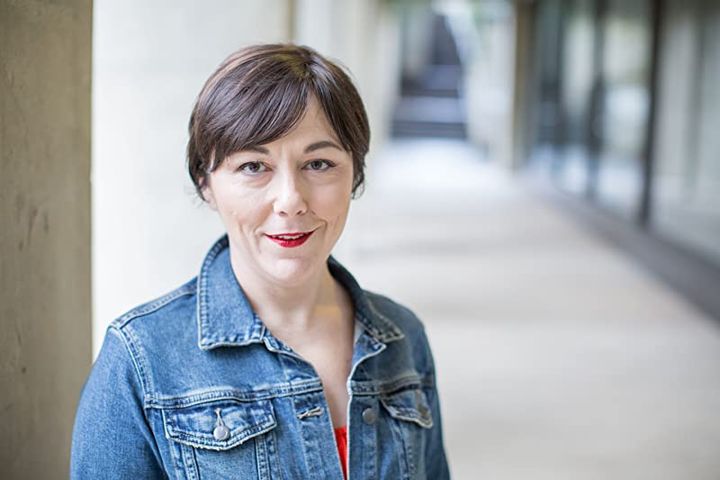

Week in Review: June 5, 2026 - with Jerry Cornfield
Washington state faces a redistricting showdown at SCOTUS, five Supreme Court seats up amid income tax fight, a House speaker challenge, ethics charges against the Deputy Speaker, a deadly Longview plant explosion, and the Spokane 3 protesters were convicted
What we cover in this week-in-review:
Washington Asks U.S. Supreme Court to Revisit Redistricting Case
Five Washington Supreme Court Seats on the Ballot, With Income Tax as Backdrop
House Speaker Race Takes Shape as Berg Challenges Jinkins
Ethics Charges Against House Deputy Speaker Head to Public Hearing
Longview Plant Explosion Kills 11, Sparks Industrial Safety Debate
Federal Jury Convicts Three Spokane ICE Protesters
Washington Asks U.S. Supreme Court to Revisit Redistricting Case
Washington state has entered the national redistricting fight, asking the U.S. Supreme Court to send its contested legislative map back to lower federal courts following the court's April ruling in Louisiana v. Callais, which significantly weakened the Voting Rights Act's protections against racially discriminatory redistricting.
The dispute dates to 2021, when Washington's bipartisan redistricting commission drew new maps that Latino voters in the Yakima Valley challenged as diluting their political power. A federal judge agreed and in 2024 ordered 13 districts redrawn. A separate group of intervenors has fought those maps ever since, filing a Supreme Court petition in January that gained urgency after Callais.
Attorney General Nick Brown is urging the court to send the matter back to lower courts rather than rule directly, a move that appears driven by the risks of an unfavorable ruling. The court could reinstate the original 2021 map, which Democrats and Latino voters opposed, or void the redrawn districts entirely, said Jerry Cornfield, state government and politics reporter for the Washington State Standard.
The redistricting fight poses no immediate threat to this year's primary election timeline, with all parties in agreement on that point.
Five Washington Supreme Court Seats on the Ballot, With Income Tax as Backdrop
Five of Washington's nine State Supreme Court seats are up for election this year, with the outcomes potentially shaping the legal fate of the state's new millionaire's tax. The races have drawn little public attention, but political operatives are eyeing them closely.
Three seats are held by incumbents, including Chief Justice Stephens, who is widely expected to win reelection. Two others were recently appointed by Governor Bob Ferguson and face voters for the first time. Two seats are entirely open.
The millionaire's tax, which imposes a levy on income exceeding $1 million per year, is expected to face a constitutional challenge. A century-old Washington Supreme Court precedent holds that an income tax is unconstitutional under state law, and some believe the court's composition could determine whether that precedent holds.
"There are folks who believe voters can be told, hey, we have a big issue coming up on the courts. It's called an income tax," Cornfield said. But he doubts that message will drive votes for candidates most voters know nothing about.
The challenge is compounded by the fact that judicial candidates cannot speak to cases they may be asked to decide. "None of these folks running for the Supreme Court are going to be able to answer that question because they can't say what they feel," Cornfield said.
Historically, Washington Supreme Court races have been far more competitive than partisan statewide offices, even in a blue state. The races could also carry implications for Ferguson, whose two recent appointees are on the ballot at a time when polls suggest his approval has slipped.
House Speaker Race Takes Shape as Berg Challenges Jinkins
A rare internal power struggle is brewing in Washington's House Democratic Caucus, with Representative April Berg openly challenging Speaker Laurie Jinkins for the top position.
Berg called Jinkins directly to inform her of her interest, a conversation Jinkins confirmed to Cornfield. When Cornfield asked whether that meant she was stepping aside, he said her answer was unambiguous: she is staying, and if Democrats hold the majority, she intends to remain Speaker.
Democrats are expected to retain and possibly expand their majority, meaning the speakership would only change hands through an internal caucus vote.
Cornfield described Berg and Jinkins as sharing similar policy philosophies, with differences that are largely stylistic. Newer caucus members have chafed at lengthy floor proceedings and the pace of action, particularly given urgency about federal policy under the Trump administration.
"If we don't move fast, we're going to see it taken from us by the other Washington on some of these issues," Cornfield said, characterizing the mood among newer members. "There's just so much energy that's hard to bottle up."
Ethics Charges Against House Deputy Speaker Head to Public Hearing
Representative Tarra Simmons, Deputy Speaker of the Washington State House, faces a public ethics hearing Monday and Tuesday in Olympia, the first such proceeding before the state Legislative Ethics Board in a decade.
The charges center on whether Simmons used her position and campaign funds to benefit organizations and individuals with personal ties to her. Simmons argues her conduct falls within the broad latitude Washington extends to citizen legislators.
One allegation involves a $10,000 campaign donation to a nonprofit, with questions about whether Simmons tied the gift to the hiring of a personal friend. Another involves budget proviso language that allegedly steered state funding to an organization where Simmons worked as a subcontractor. Cornfield noted that targeted proviso writing is a routine legislative practice. "If you've looked at state budgets, you've seen there's plenty of budgets, hey, there's a million dollars for a county with a population between six and eight. And there's one county in the state with seven people. Guess who gets the money," he said.
Cornfield assessed Simmons as facing an uphill fight. The ethics board found probable cause last October, declined to settle, and denied her motion to dismiss earlier this spring. He noted that Governor Ferguson faced his own ethics violation earlier in his tenure and quietly admitted guilt and paid a fine. "I think that's probably what this board was hoping this lawmaker would do," Cornfield said.
Longview Plant Explosion Kills 11, Sparks Industrial Safety Debate
Washington state is reckoning with the deadliest workplace industrial disaster in recent memory after a massive chemical tank failure at a Longview plant killed 11 workers during a shift change.
The tank, which held hundreds of thousands of gallons of caustic chemical, ruptured, and workers gathered in one area were struck by the release. Recovery of the victims took days, with a drone deployed into the contaminated zone because conditions were too dangerous for human responders. "There's nothing comparable in the recent history of Washington," Cornfield said.
State Labor and Industries is conducting a workplace investigation, and the federal U.S. Chemical Safety Board has dispatched investigators. A critical early finding is that the failed tank was not subject to state inspection requirements. No agency had legal responsibility to inspect it.
The disaster has raised broader questions about industrial self-regulation. "We depend on the company to look at their product, their equipment, and make sure it's in good working order because the state doesn't have the personnel to go out every week and take a look," Cornfield said.
Environmental damage extends beyond the human toll, with dead fish and animals found in surrounding waterways and concerns about the long-term impact on drinking water and community health. The plant, a longtime employer in the region, is operating at significantly reduced capacity, and its long-term survival is uncertain.
Cornfield predicted the 2027 legislative session will see pressure to tighten industrial safety regulations. Fincher raised the broader budget context: "Are we sacrificing lives at the altar of the budget? In these conversations where we're saying our resources are too limited, it's going to take more revenue if we want to do more things."
Federal Jury Convicts Three Spokane ICE Protesters
A federal jury in eastern Washington has convicted three protesters on conspiracy charges for obstructing Immigration and Customs Enforcement agents during a demonstration in Spokane, a verdict that has alarmed civil liberties advocates and elected officials across the state.
The three defendants, known as the Spokane 3, were found guilty of conspiring to impede federal immigration enforcement. The protest was organized via Facebook. They face potential prison sentences and are expected to appeal. A motion is pending before the judge on whether to uphold the verdict.
The case drew scrutiny after the U.S. Attorney originally assigned to bring charges refused and stepped down. A replacement was appointed who proceeded with the prosecution. The Justice Department reportedly issued a directive ordering U.S. attorneys nationwide to prioritize cases against protesters who defy federal immigration enforcement.
"It just seems like these charges would not have met a standard. This action would not have met at least prior standards, judging by what we're hearing from folks who were bringing these charges before," Fincher said.
Questions have also been raised about the jury's composition, and about what evidence jurors were and were not allowed to see.
About the Guest
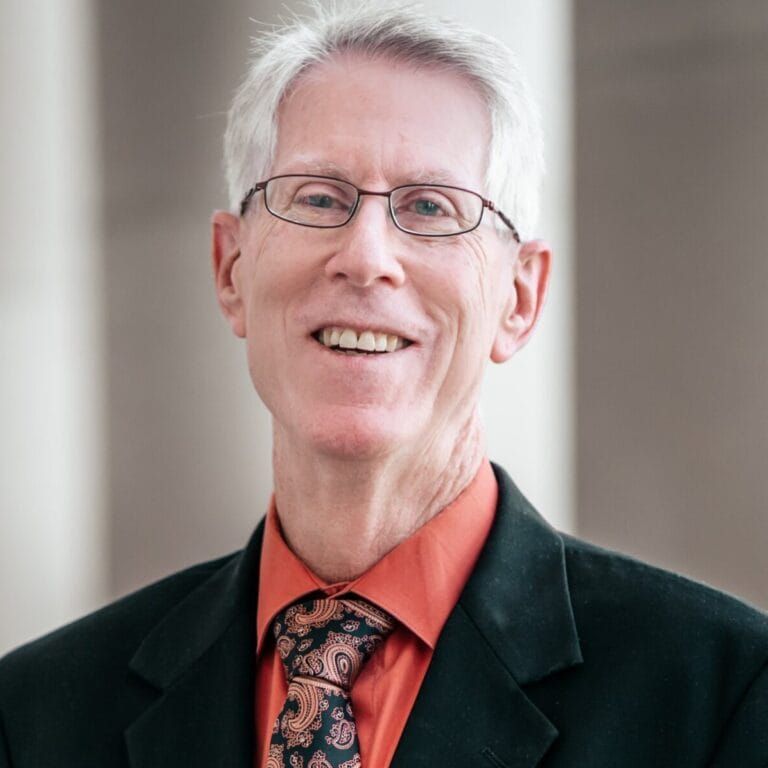
Jerry Cornfield
Jerry Cornfield started as a crime reporter in San Francisco and spent the better part of the last four decades covering politics and government in California and Washington. He worked in media for 12 years in Santa Barbara, reporting for daily and weekly newspapers, serving as editor-at-large for Santa Barbara magazine, producing and hosting a daily radio talk show, and appearing regularly as a political commentator on network TV. In 2004, he joined The Daily Herald of Everett where he worked 20 years as the statehouse reporter before helping launch the Washington State Standard in May 2023.
Resources
Jaelynn Scott Seeks Open State House Seat in Seattle's 37th District from Hacks & Wonks
WA asked Supreme Court to take redistricting case by Jerry Cornfield from Washington State Standard
Federal judge asked to ditch WA legislative district maps by Jerry Cornfield from Washington State Standard
WA Supreme Court races shape up as income tax case looms by Jake Goldstein-Street from Washington State Standard
A $5M year for Supreme Court races? by Jonathan Martin, Tim Gruver, and Paul Queary from The Washington Observer
The brewing battle to be WA’s next House speaker by Jerry Cornfield from Washington State Standard
WA lawmaker stares down ethics charges ahead of rare public hearing by Jerry Cornfield from Washington State Standard
11 identified in Longview disaster: ‘Still hard to grasp the magnitude’ by Joseph O'Sullivan from The Seattle Times
WA agencies lacked role inspecting failed chemical tank in Longview mill disaster by Aspen Ford from Washington State Standard
Longview dead fish count nears 2,000 after pulp mill disaster by Lauren Rosenblatt from The Seattle Times
U.S. Chemical Safety Board faces steep cuts during Longview probe by Anumita Kaur from The Seattle Times
Bipartisan deal restores safety board funding after Longview implosion by Anumita Kaur from The Seattle Times
3 Spokane ICE protesters found guilty in conspiracy case by Alexandra Duggan from The Spokesman-Review
Federal jury finds army veteran and two other ICE protesters guilty of conspiracy by Aaron Glantz from The Guardian
A shocked city reckons with guilty verdict of Spokane 3 by Aaron Hedge, Daisy Zavala Magaña and Sandra Rivera from RANGE Media
'At your peril': Current, former federal prosecutors critical of outrage over guilty verdicts of Spokane ICE protesters by Alexandra Duggan from The Spokesman-Review
Find stories that Crystal is reading here
Listen on your favorite podcast app to all our episodes here
Podcast Transcript
[00:00:50] Crystal Fincher: Welcome to Hacks & Wonks. I'm your host, Crystal Fincher. On this show, we talk with policy wonks and political hacks to gather insight into local politics and policy in Washington state through the lens of those doing the work with behind-the-scenes perspectives on what's happening, why it's happening, and what you can do about it.
If you missed our Tuesday topical show, I spoke with Jaelynn Scott, who's running for the 37th District House seat, about her priorities - including progressive revenue, social housing, care-based public safety, and sanctuary protections for immigrants and LGBTQ+ communities.
Today, we're continuing our Friday week-in-review shows, where we review the news of the week with a co-host. Welcome to the program for the first time, today's co-host: state government and politics reporter for the Washington State Standard, Jerry Cornfield. Welcome!
[00:01:53] Jerry Cornfield: Well, thank you very much - glad to be here.
[00:01:56] Crystal Fincher: Glad to have you here. I've been reading your coverage for forever - so many of us do - at the Washington State Standard.
I want to start off today talking about one of a number of things that have statewide implications. First being - Washington asking our federal Supreme Court to take on a redistricting case here. What's happening and what are they being asked to review?
[00:02:22] Jerry Cornfield: Oh boy, wouldn't I like to know too. This has been such an interesting case. The state of Washington - we have a redistricting commission - does a map, 2021. The Legislature approves it, 2022. A group of voters in Yakima Valley, Latino voters saying - Hey, the lines aren't drawn very well. You've diluted our vote. That violates the federal law, the federal Voting Rights Act, they sue. By 2024, a federal judge says - You're right, and here's a new map. Moved a lot of people around - I think it was 13 districts overall. Elections were held in 2024. But meanwhile, there's a group of folks - somehow they were given a chance to intervene. And they've been trying all along the way to say - It's not a good map. It's not a good map. It's not a good map. They keep losing. They made a petition to the US Supreme Court saying - Hey, take a look. And they filed their petition - good timing - January of this year. Comes April - there's a decision, Louisiana v. Callais - and it turns up the heat on redistricting across the nation.
Well, the state of Washington has been on the sidelines saying - Hey, just do what you need to do, courts. Now they've asked the U.S. Supreme Court in light of that decision - Take a look at our map. But they don't want the court to act. They want them to send it back down to the lower federal courts and just take another look and see if it lines up with what came out in April related to the Louisiana case. I don't know why - because in March of this year, they told the same U.S. Supreme Court - We don't want to even tell you it. We don't have an opinion. Do what you want. And now they have an opinion. My guess - Attorney General Nick Brown is kind of like looking at the prediction market and saying - low risk would be letting us try to handle it in our court systems the way it's been and let the lower courts deal with it because we don't know what the Supreme Court might do. They could throw the whole thing out, send us back to Go. They could approve 2021's map, which wasn't all that bad - I don't think, from a political standpoint - but Democrats didn't like it. Latino voters didn't like it. And so we'll see. Maybe just banking on whatever changes come out of it - because something's going to change - will benefit the Democrats more than the Republicans.
[00:04:44] Crystal Fincher: Yeah, and I think - you know, taking this - sometimes the shorthand on this with Democrats and Republicans is a little bit challenging because parties shift, they ebb and flow. But we're really in this conversation right now because of that Supreme Court case that you talked about - that Louisiana v. Callais - which essentially gutted the Voting Rights Act, the kind of final pillars of the Voting Rights Act. This has been a long-standing, creeping - some would say, project, others would say result, but here we are. And we've seen, particularly in states controlled by Republicans now, moves immediately after that court case to redistrict, some would say, you know, absolutely gerrymander. But districts that had been protected in the United States South - a lot of majority Black communities who up until this decision had a constitutional right to not be split up from within their communities to dilute their voting power. Now that's not a thing. Now the Supreme Court is essentially saying race just isn't a factor. It can't be a factor in essentially curing these issues that are brought before the court.
And so a lot of people saw this as something that would just affect red states - very unfortunate impacts in red states, in a lot of people's opinions. But hey, that's something for them to deal with. That's where the action is going to be. Over here in Washington, people were not necessarily thinking we had anything that would be relevant under this decision. But here we are - because of Latino communities saying, We have been unjustly diluted. And the courts before this Callais decision saying - Yes, that is true. And you're going to have to redistrict those, even though this map came from a seemingly bipartisan redistricting commission. This was not something that was the result of one party, Republicans, saying - We're just going to force this on everyone. This was the work of both parties' appointees, essentially-
[00:06:59] Jerry Cornfield: Four of them, right?
[00:07:00] Crystal Fincher: -coming up with this. And still diluted the voting power of Latinos in this district, it was found. So now we're at the point where this might be overturned. Now, when this first came up, there was some discussion that this could interrupt election timelines, specifically our primary election. Is that still an issue right now?
[00:07:20] Jerry Cornfield: No, it's not an issue. None of the parties thinks that's an issue. But to your point, once that decision came out from the U.S. Supreme Court in Louisiana, the folks here who have been fighting the map rushed in with a filing saying - Hey, expedite our petition. It's been sitting there since January. Don't sit on it anymore. Make a decision so we can use some new maps this year. They denied their request to go faster, so now we're just waiting to see what they decide to do and how they want to proceed. But yet, Secretary of State Steve Hobbs, who's represented by attorneys in the Attorney General's office, his brief basically said - If you do something now, you could cause chaos this year. I mean, there's going to be enough potential chaos if these vote-by-mail rules go through. And the post office, right - they took that little step. I think the post office wants to be sued anyway, but they've started down that path.
But, yeah, what's interesting with the redistricting is neither the federal judge or the appellate court found that race was an issue - it was factored in, but so was the partisan balance and so forth. And the actual percentage of Latinos in the redrawn districts that were approved dropped - it was the increase of those who were likely to vote, you know, it kind of went up a tenth. We're talking about small numbers. The big issue, and probably one that is important to the parties, is it moved one of these districts into being on the ballot in presidential election years. And that's when everything goes up in terms of turnout, including among Latino voters. So this was a longtime R district. They figured we get it on the presidential election cycle - eventually we'll win that seat. That was the thinking. I just don't see - in the short term, whatever happens, even if the US, the lower court do a little tinkering and goes back to 2021, I don't think you're going to see a huge swing in the political makeup of the central Washington area. Those voters are who they are now. They know the people who are running. There was a Republican senator or state senator, Curtis King - he moved across town because he was redistricted out. He moved across town to run in this newly drawn district, and he won. So, I mean, name ID still matters in a community. And we may be - it's a big fight. It'll be a lot of work if major changes are forced upon the state.
[00:09:45] Crystal Fincher: Now, I want to talk about another issue that the Washington State Standard has been covering in the absence of a lot of other coverage elsewhere. And that is hugely important - Washington Supreme Court races this year on our ballot. We hear a lot about legislative races, congressional races, ballot initiatives that we have coming up. But these Washington - our state Supreme Court races - kind of fly under the radar, but man, they're impactful for a lot of people in our state. Especially now that we're seeing so much change from the federal Supreme Court, sometimes the state Supreme Court and our State Constitution are stepping front and center in terms of the protections and the laws that we have here. And there are a number of seats being contested. What's the landscape?
[00:10:39] Jerry Cornfield: It is an issue. We have nine Supreme Court justices and five of those seats are on the ballot. Three of them are occupied. There's one longer-time incumbent - the Chief Justice Stephens - and she'll most likely win her seat again. There's two recent appointees by the governor. They have to - this is the first time in front of voters. And then there's two that are going to be totally open seats. So voters are going to have a lot of choices to make. They'll be the top items on the ballot right underneath those initiatives, so they'll see them. They can't avoid them. Well, they can avoid them because historically, these are really low information or no information campaigns. So the voters are - they'll read the voter pamphlet. And if a candidate can send out mailers or get on TV - the name that sticks in their mind will maybe how they determine come the August primary. Come November, I think we're going to see a lot more money being spent trying to sway voters on a couple of the seats - not all five.
There are folks who believe voters can be told - Hey, we have a big issue coming up on the courts. It's called an income tax. And here's where we think these people might come down on the income tax. And so you may want to cast your vote in line with how they might decide on whether or not an income tax in Washington is constitutional or not, right? A hundred years ago, the Supreme Court said it's not constitutional, and that's never changed. There's this feeling that tide has changed, times are changed, and that the court will change its view. I'm not so sure that - no matter how much money you spend, you're going to get a voter to go in and pick somebody they totally don't know based on what they might do on a case on this issue. This is nothing like when I was in California and they voted out the Chief Justice Rose Bird and a couple others because they knew there was a record - they didn't like the death penalty. And the folks, the voters in California said - Well, we do want the death penalty, so we're going to dump you guys. And they did. It just doesn't have that feel to it. So that's the landscape - whether or not they can get five justices the voters feel will oppose or support the income tax, depending on where they stand.
[00:12:50] Crystal Fincher: Yeah. And of course, by the income tax, you're referring to the Millionaire's Tax that was passed in this legislative session that would impose a tax on income that exceeds $1 million per year. So a little bit different than what the average person thinks of as an income tax. This is going to impact high wealth people. Of course, part of the debate is saying - Well, it could impact more people after that. You have Bob Ferguson saying - But I'd veto anything that tried to do that. This is going to be a debate that we have throughout the rest of this campaign cycle, certainly through the elections.
[00:13:25] Jerry Cornfield: Yeah, you're going to be taking income tax to every race - state race, Congress, Supreme Court. But what voters are going to be frustrated on - if they pay attention - is none of these folks running for the Supreme Court are going to be able to answer that question because they can't say what they feel. They probably won't even talk about how their opinion about the role of precedent in deciding cases - because if they hint that they think precedent is more or less important, that might give some clue to what they think about upholding a 100-year old precedent. So I still think voters are going to be really hard-pressed to know anything about the philosophical approaches any of these individuals will bring to the bench. So they're going to look at who's endorsed them. Jonathan Martin, at Washington Observer, was kind of pointing this out, like - Whose side are they on? Who do they align with? What team are they on? And if they can be equated with a certain team politically that aligns with the voter, that probably will earn them a vote.
[00:14:25] Crystal Fincher: Yeah, I think that's a really good point - that these are people that voters are unfamiliar with currently. And one of the things about the Supreme Court that's unlike our legislative or Congressional races is there's no party affiliation that you're seeing with these. This is a nonpartisan position. If people look a little deeper, they can see who they may have been appointed by, which sometimes gives you an idea of what their leanings might be. Look at prior cases that they've decided or been involved with. But yeah, they can't directly talk about any cases that they're anticipated that they're going to have. They can talk about their general philosophy, their qualifications, what they may have done on some things in the past. But this is going to be really interesting. One thing about Supreme Court races in Washington is they can be very close. We have a history of some very close Supreme Court races. Some people assume - Well, it's a blue state. These Democratically appointed justices are going to sail through just like we saw everybody sail through with the Governor and Attorney General and all the statewide offices. It doesn't work like that with the Supreme Court here historically. And so these could be competitive. People are going to need to pay attention and spread the word here because these typically don't make the headlines. It's hard for people to get a grasp on what's happening with these races.
[00:16:01] Jerry Cornfield: I'm looking and expecting that - and again, the general voter may not experience it - but smear campaigns, websites to look at those decisions and couch those decisions. There are some candidates that have a very clear history of where they donate thousands of dollars to which side of the political aisle. And I think you're going to see that kind of information come out to try to sway people. I mean, this is a year where there are - the Democrats are expected to do well, but there's also some internal fighting with the Democratic Party and voters are unsure. There's a general distrust of state government and as costs rise, there's a little anxiety out there. So I'm not sure if an endorsement from some folks is going to be as strong this year as it might be in other years. And whether voters - I don't know what they're going to be looking for in their judges. And hundreds of thousands are going to skip it completely, which means fewer voters will vote. And so when they get close, it's because a whole chunk of voters just say - We don't want to weigh in.
[00:17:03] Crystal Fincher: Yeah, absolutely. There's going to be a lot to follow. I encourage everyone listening to plug in and stay plugged in with these races. There are going to be some competitive primaries here, even before we get to the general election. It's not like we're walking in and there's a more conservative option, a more progressive option, and it's just which way do people want to go? There are a number of choices for people in these races. And you talked about endorsements. The endorsements are spread out all over the place. It's not like we see candidates who've just vacuumed up everything and are a consensus choice walking in. So these may be really interesting races with some really interesting primaries.
[00:17:48] Jerry Cornfield: I would just, to the point of the endorsement - I don't want to overplay it, but some folks like me will. And we will say - is this going to be a bit of a referendum on Governor Bob Ferguson? When you have two appointees who are being challenged in the primary - both of them need to get through the primary and win in November. And then he can say - Hey, those are my folks. But if they don't get through - for whatever reason, they don't hold those seats - we'll all be saying to some degree that the governor weighed them down. Because I'm not sure his popularity at this time of this year, at this point during election time, is going to be as high as it was when he got elected in 2024. It's just hard to gauge what will make folks make their decision.
[00:18:37] Crystal Fincher: Yeah, that's going to be a really interesting dynamic. Certainly, we've seen polls indicate that he is less popular now than when taking office. And in a Democratic primary, with the party that has some significant differences internally across the base - that could be really interesting in how it plays out.
I want to talk next about a story you covered about a battle in our State Legislature to be the next Speaker of the House. Speaker Laurie Jinkins has been there for quite some time, but she's going to have some challengers coming up. What's happening?
[00:19:14] Jerry Cornfield: I was a little surprised that - I mean, the rumors have been around that as many as three members of the House caucus were interested and have been sort of talking quietly about it. Representative April Berg has been sort of the loudest, if you will, the rumors that surround her are the loudest. I finally, I called Speaker Jinkins and said - Hey, I'm hearing. And she said - Oh yeah. Representative Berg gave me a call, told me she's interested in the job. So I said - Oh, so you're leaving? Nope. I'm staying. If we have the majority, I'm staying. And Democrats will have the majority. They may have a super majority. So that's what this brewing battle is right now. Those two are there. And there's at least two others - Representatives Berry and Farivar - have been in the rumors, although I haven't heard from either of those rumors are true. But Representative Berg is interested. We're talking about two people who have very similar philosophies on social policy, fiscal policy. They're both progressive - you know, different shades of progressive - that's the way their voting records. I could see-
[00:20:25] Crystal Fincher: What the subtext here - you're not seeing our faces. That was me giving him a little - Are they the same? - I mean, certainly if you're looking at policy overall, they share a lot of policy stances. I do think there are some key differences bringing up this-
[00:20:40] Jerry Cornfield: Oh, style difference is quite a bit, I think.
[00:20:43] Crystal Fincher: Yeah. And it probably is largely a matter of style. And of philosophy and background and where they're coming from. I mean, these are all esteemed members of the Legislature, each with their own accomplishments. And Laurie Jinkins has been there for a while now.
[00:21:02] Jerry Cornfield: Which is only been six years now. Remember, Frank Chopp was here for a generation.
[00:21:04] Crystal Fincher: Yes.
[00:21:05] Jerry Cornfield: The late Frank Chopp. And his style, I mean, that, as time went on, as the caucus got bigger, I think the disgruntling got louder because he had a way of - I can win us seats by getting the right lawmaker to fit their district. And making sure we are - it was kind of not pragmatic, but piecemeal on major policies. And laying the foundation and bringing the public along so there wouldn't be a riotous fights in communities and lose seats. I think Speaker Jinkins took to that. And her style was - Okay, it was too controlled. So opens up the door, gives committee chairs more power. I don't know if Representative Berg - if she has a style that says that's just a little too open. I don't need 24-hour debates on the legislation, the income tax. I don't even need five hours of sitting in a caucus room waiting to go out and vote on a bill that we know we're going to pass. And I think that's what the members have to decide - I mean, does our leader work across the aisle? Are we going to get home at six o'clock like the State Senate or not?
[00:22:14] Crystal Fincher: You know, I think the job - you talk about Frank Chopp and then Laurie Jinkins. I think the ground has shifted under Laurie Jinkins more than it shifted under Frank Chopp in a shorter amount of time. The divergence of the base and the donor class certainly is an issue within the Democratic Party. I think that the party is just different and the challenges that Laurie Jinkins has faced are different than what you saw before - because even if the desire to control the caucus, to control committees through chairs is there, it's just tougher to do because the caucus is just more diverse ideologically than it has been. And that Laurie is in a, as Frank Chopp was before her, in a safe Democratic seat and coming from there. I mean, certainly I've heard people reflect on that - where April Berg is coming from an area with a more purple history, certainly it's become more blue over the past six-ish years. But different philosophies even just on how to win over folks in suburban areas, folks in rural areas, what is needed for the party to coalesce and move forward and bring the base with them. And in just managing the different elements in the caucus. I think it's going to be really interesting to see how this unfolds internally. And we won't see a lot because it's an internal caucus issue, but certainly intriguing.
[00:23:51] Jerry Cornfield: One of the things that's changed over the last six years since Jinkins took the Speakership, too, is we've had a pandemic. And we've had a lot of turnover - and a lot of the new members in the House are younger, they come from an activism rather than a civic career for their involvement. You know, they're more independent thinkers in terms of they're not sort of trained through public service and ready to follow and see it as an extension of what they did, whether it was in city government or county government. I mean, there are some of those. And so they're just not ready to wait. And let's not understate the impact of Donald Trump. I mean, he helped elect - he was good for Ferguson's career. He's frustrating for every Democrat across the country. And especially these new Democrats - it's like, if we don't move fast, we're going to see it taken from us by the other Washington on some of these issues. There's just so much energy that's hard to bottle up. And you're just not going to, some folks say - Just don't bottle me up. And I think that's going to be a test. Because no one's talking about winning seats or losing seats. I think they're talking about leading a caucus that is going to have maybe 60, 61 seats this year.
[00:25:06] Crystal Fincher: Yeah, yeah. Democrats do have the opportunity for a super majority here. We'll see what happens with that. I also want to talk about a story you covered about a Washington lawmaker facing some ethics charges. What's happening?
[00:25:20] Jerry Cornfield: This is a really rare situation that's coming up this week. Hard to sum up. Representative Tarra Simmons is Deputy Speaker of the House. She faces a slew of charges that - on the one hand, say that she's doing her job as a legislator. And on the other, when looked more closely, she's using her campaign funds and her position as a legislator to benefit groups that she supports. That's what the accusations are. So for Monday and Tuesday, there will be a public hearing in Olympia in which these ethics charges will play out. And it's going to be like a trial. It's the first time in 10 years this has happened that a lawmaker has gone in front of the state Legislative Ethics Board and defended themselves against charges of trying to use their position to get special privileges for others to benefit themselves or the group or their employer.
And that's what it's coming down to. And it's really going to be a question of did she cross over that line of being a citizen legislator and try to get more for things that she believed in personally, or did she stay within the lines? And in Washington, we draw them pretty broadly, right? I mean, people go to work - whether they lead a union, they work in health care, they're a business person - and then they come and they oversee committees that regulate businesses and set policy for health care. And so they have a direct connection in the Legislature to what they do Monday through Friday. And that's what the argument of Representative Simmons is - Hey, that's what I've been doing. And all the investigation, everything you've told me - I can do it, I'm within those borders. And this assistant attorney general has filed charges - you know, is claiming, no, no, you went too far. This behavior goes too far.
[00:27:10] Crystal Fincher: Yeah, I think you set that up really well, because I think it's hard for me as I'm looking at this to say - how is this different than what we see a lot of legislators do, particularly with just the job itself? It's a part time job. We are kind of de facto saying that this is not the only thing that you're doing. You're going to be, unless you're independently wealthy - and certainly a number of legislators actually are - but many aren't, more now than ever. And so they're going to have to be involved in other pursuits. And part of their job is to support organizations and help advance good causes, solid organizations, solid policy. And so that bleeds over.
Now, there are some circumstances here that may be a little bit different and that may be part of what they're saying goes over the edge. There's an alleged - I think for one organization, wanted to hire someone, didn't have the funds to do it. Representative Simmons said that she could find funding and she also could find a person that could fit that. That person was known in some kind of capacity or there was some pre-existing relationship.
[00:28:29] Jerry Cornfield: It was a friend of hers that she had met and she brought the person to the non-profit and said - Hey, you should talk to this person because they're pretty good. And they did talk to the person. They thought - Yeah, he is pretty good, but we can't hire him. And that's right, to your point that, said - I'll give you a donation. The question is, did she tie the strings, say - Here's the $10,000 donation to use it to help pay him? Or did she just say - Here's a $10,000 donation and use it as you want? And, you know, she did that a couple times with the group. They ended up returning all the money and letting him go - the person they hired. But, yeah, that's the line, it's the question of - did she go over the line there?
Similarly with a group she was working for, it was a subcontractor on a big grant. And there's debates on - did the language in the state budget that steered the money that way - did it get written in a way that was too specific? Now, if you've looked at state budget, you've seen there's plenty of budgets - hey, there's a million dollars for a county with a population between six and eight. And there's one county in the state with seven people. Guess who gets the money, right? And that's the kind of specificity - they try to write those provisos without saying the name because that would be illegal. That would be a gift of public funds to say up front - We're going to give money to this group - even though everyone in the Legislature knows where the money's going.
[00:29:59] Crystal Fincher: Yeah. I mean, you know, this is something that is standard. I mean, feels like that's what provisos are essentially. And whether it's Democrat or Republican or other, it feels like that is the standard fare. And like there are some unique circumstances kind of on the edges of these issues that have created the situation with Representative Simmons. But it feels like the meat of it, just if you're describing it - hey, you expect a proviso to go to this organization, this group, whatever that is - that feels like standard operating procedure. And if they don't want that to happen, it feels like they need to define that more tightly on the front end for people to have an idea, a better idea of where that line is.
[00:30:55] Jerry Cornfield: What'll be interesting is - and I think this is an uphill climb for Representative Simmons at this point. I mean, the ethics board kind of found what they thought was cause last October. They couldn't reach a settlement. She tried with a motion to just get it tossed out earlier, just a few weeks ago, and they denied it without explanation. So my sense is this ethics board is not open to the idea that they need to do anything. I think they're more open to the idea that we have a lawmaker in leadership of the House Democratic Caucus who has just dug in, and so we're going to dig in. And I don't know how it's going to turn out next week, but she's pushing and they're not used to having lawmakers push back these ethics boards. She's not like the Governor. We've been talking about it a lot. He had his ethics violation - gives a former staffer a ride on an airplane. He quietly admits guilt and pays a fine. I think that's probably what this board was hoping this lawmaker would do.
[00:31:54] Crystal Fincher: Yeah, absolutely. Well, we will continue to follow that. Now I do want to talk about a tragedy that we saw in this state in Longview with a horrible loss of life - many people injured at this plant that had a really deadly explosion and issues resulting from that. What happened and what's currently being discussed?
[00:32:20] Jerry Cornfield: I'm sure the investigators are still trying to pin down exactly what occurred. But during what essentially was a shift change, this tank that has hundreds of thousands of gallons of - and now we know deadly - a caustic chemical, it just gives out. It implodes, it ruptures - find the right word - but that material comes out. And these folks, 11 people who are all gathered in one space, are killed. And it took, I mean, several days - at one point, they put a drone in to - because it wasn't even safe to get into this particular work area - to find and recover the bodies that then had to be decontaminated before they could be identified and returned and then families told. So it's an industrial tragedy that is really uncomparable, and there's nothing comparable in the recent history of Washington.
And now the work begins to try to figure out how it occurred and whether there was a problem of whether the maintenance of that tank was poor. The state Labor and Industries is investigating the workplace side. There is a federal board - the U.S. Chemical Safety Board - will be over there. They'll get involved to try to investigate and see if there's a cause. If there's blame to be found, where is it? These are all big questions - and I'm kind of walking delicately because there's going to be liability issues these families are going to have - when they get answers, they'll have responses to those answers. At this moment in time, the union that represents most of these workers, if not all the workers, and the company have been kind of on the same page in their response to focusing on the families and assuring that there is no loss of income for at least the first few months and these next few months, even as the plant is in a really reduced state of operation. And who knows the cost of this - will it force this long-time company in this area to go away? So there's a lot of big short-term and long-term questions.
The state, I suspect in 2027 legislative session, there's going to be a lot of talk about should the state be more aggressive in regulating plants and some of the tanks and other things on the site like this. I was just looking through this week how big boilers are - you know, just heat boilers that are in buildings. The way the state rules are - many times it's the operator of the boiler has to just sort of check every couple of years, right? And there are a certain amount of - we depend on the company to look at their product, their equipment, and make sure it's in good working order because the state doesn't have the personnel to go out every week and take a look and take pictures and inspect. But in the short term, there's 11 people's lives were lost. They'll be mourned, they'll be buried. And I think it could be months before there's a clear answer of what series of events led to this failure of this tank.
[00:35:22] Crystal Fincher: Yeah. And this is something that we've seen - and different versions of this across the country - and unfortunately, we're now seeing this in a rural community in Washington state. This is a major employer for the area. The community is invested in the employer, but they're also invested in their lives. And so you have questions about - well, were there inspections? Was the employer doing everything that they had an obligation to do to operate safely and protect their employees? Was this just a tragedy that couldn't have been avoided? Sometimes those happen. What was the state's responsibility in inspecting or not? It looks like for the actual tank that imploded, there was no state agency that had a responsibility to inspect that. Should there have been? Is that relevant or not? - are questions that are being asked.
From a federal level, the agency that is tasked with investigating this and figuring out what happened federally was actually slated to lose funding. And Representative Marie Gluesenkamp Perez looks like she was able to wrangle fellow Housemates to save that so the federal investigation can continue. But we're seeing - across the board - budget cuts, cuts to regulations, fewer people available dedicated to roles that underscore safety because people are saying there's just not enough money to go around to fund everything, and we're trying to keep paying for frontline services that people need. And so all of these competing priorities that deal with life. And this is also an ecological disaster in the community - finding dead fish and other animals in the ecosystem - that can cause long-term damage. This caustic chemical seeping into waterways there - does this impact drinking water? Does this impact the health of the immediate community? These are all things that we don't know, but seem like critical questions to be asked here. And with other plants that deal with chemicals, explosives all over the place - just are we all vulnerable to this happening, seemingly anywhere?
[00:37:56] Jerry Cornfield: One has to suspect that conversations on all those issues you cite have been ongoing. Even you mentioned the ecological damage - I'm sure there have been talk about - Well, can we pipe it somewhere? Should we do it a little differently? Are the ditches deep enough? Is there enough protection? And now they know the answer. And there's all going to be the - Well, we should have, we should have, we should have kind of conversations. And there probably will be a reaction like that. They will probably increase the regulation for developing or updating or requiring updating of equipment and sites all around on different industries in anticipation. It is a little bit cyclical, right? We're looking at something totally unrelated and not tragic in terms of what's happened here, but the issue of housing, right? I mean, everyone has been slowly over time wanting to build housing faster. And then even folks who got in more and more, they realize - you know, it's a long process when you start seeing that this building permit started on this day and it's a year or two, so they want to speed everything up. But at some point you go so fast, you can't check anything. So you leave things out on the side. And I don't think this is a case where everybody went so fast, but they definitely want these industries to stay. The ones that are historic industries, legacy industries that are going potentially away. So they're not going to force large scale rapid updates and changes to their operation that will put them out of business. It's a stress and strain of how industrial America complies and advances even in this state that we've seen. We know what the refineries are up there. We've got lots of industries that have problems. We saw a pipeline break, the Olympic Pipeline, not all that long ago - just one small rupture and shut down fuel flow for several weeks to major areas.
So, yeah, these things can happen. Now, they may not all be preventable, no matter how many rules or regulation. But I think the state, I think the lawmakers would be remiss if they don't necessarily pass laws, but they don't impress upon the agencies that are enforcing to just maybe on their own figure out a way to be more efficient about visiting these sites and cataloging what they see and what they think needs to be done. I suspect there's rules, regulations, and processes that they can be brought to bear without having to go through the whole legislative fight and just take time and energy and bring these folks' lives into a spotlight where they shouldn't be used to change laws that maybe they can already enforce right now. They can do something now.
[00:40:42] Crystal Fincher: Certainly, it does feel like there's going to have to be some money that comes with that impressing upon the agencies. If there aren't inspectors, there are going to need to be inspectors. They're going to need to be hired and have the resources in order to do that. And in these challenging budget sessions, sometimes those are the things that are cut while other things are spared. And so they're going to have to take a close look at what they're doing across the board - are we sacrificing lives at the altar of the budget? In these conversations where we're saying our resources are too limited, it's going to take more revenue if we want to do more things. These are the kinds of things that are in that conversation of - can this be done within the existing footprint of government, or do we need more? These are the kinds of conversations that are impacted by that - from pipeline breaks, train derailments, leaks of all sorts of varieties, and we're not even talking about the cleanups of existing disasters there. So-
[00:41:46] Jerry Cornfield: I mean, this is - we do have, and it has a lot of money in it. They call it MTCA [Model Toxics Control Act], right? It's a toxic control fund and there are dollars being collected. I do believe - and I could be wrong about this budget - but I believe they swept some of that money. Not all of it, but I think they just chunks and they redirect some of the funding into the other government operations. Part of that is they don't have a need to spend it right away for whatever reason. The projects, the cleanup aren't ready. But I think that's - to your point - budget stresses and strains often lead to decisions in the short term. And it's hard to see the longer term and making sure the money's used to prevent that. I won't be surprised if folks start looking at funds like the Climate Commitment Act and say - would it not be better to do some work over there and protect against future emissions of air, right? I mean, they're down there worrying about air quality. Is that a good investment to help an operation like that become safer and protect against future tank failures? I assume the general public probably would say yes.
[00:42:53] Crystal Fincher: Yeah, certainly. I mean, the general public certainly voted in favor of maintaining the Climate Commitment Act. But to your prior point, we also have seen those dollars be the target of redistribution, redirection into more general fund purposes. And these intermediate solutions to try and plug holes creating potentially massive problems, or allowing really problematic and potentially lethal conditions to persist and explode.
Last thing I want to talk about today is the three Spokane ICE protesters, often known as the Spokane 3, being found guilty in a federal conspiracy case. What happened here?
[00:43:40] Jerry Cornfield: I don't know. I mean, I say that because it's like - some things are more shocking than others in terms of the times we live in. And the idea that these protests, which are happening and been happening in places all around the country - that on this day in this city, three people who are arrested are now found guilty by a jury of essentially conspiring to deter federal enforcement agents from doing their job, right? I mean, this is like - it's hard to even describe being found guilty after a trial, a multi-day trial said that they were trying to impede the work of these ICE officers. Just describing it - it's like we've been having protests in this country for years and years and years on all sides. And if suddenly these three folks somehow stood out for their actions on this day - an event that was put together through Facebook posts, right - in a call to action on Facebook. Where does it - if this works, if a jury can be convinced that there was a conspiracy here - does that unleash the U.S. Department of Justice to start arresting people in the protests right now in New Jersey, what they had in Portland? Maybe they'll have to make the folks, if they arrest them in Portland, they'll have to dress up. And so we'll have them in their inflatable outfits sitting in court. But I just don't - it's interesting. I mean, they face years in prison as a result of these convictions, which I assume they're going to appeal. And I think there's a motion in front of the judge now to actually step in and say whether or not the jury's decision should be upheld or not. But pretty stunning.
[00:45:26] Crystal Fincher: A lot of people were stunned here, and a number of issues have been brought up from everyone from elected officials to the ACLU - different people observing, questioning whether the jury that they had in eastern Washington was really a jury of their peers to what the jury was and was not allowed to see. And certainly was not allowed to see information that seems significant to many people in the public - as we see sometimes in court cases, that's withheld from the jury. But I think overall, a lot of people are looking at this as an attack on speech and an effort to chill speech - certainly a number of people are saying - from the U.S. Justice Department and an overall effort where we have federal immigration authorities who oftentimes are taking an aggressive or confrontational stance. And so, how easy or hard is it for protesters who are in the vicinity to be painted as agitators when they may not have been an aggressor or instigator of action? You have people who say - Not everything is protected speech. You can't damage property. You can't do these other things. And you can't - there are laws to deal with all of that. But when it comes to the First Amendment speech issue, this is certainly concerning a lot of people.
And just about what the federal administration's stance is on aggressively going after protesters or critics of this government and using these statutes to do that. It was reported in The Spokesman Review that the Justice Department sent out a mass email to all of the U.S. attorneys ordering prosecutors to prioritize cases against protesters who defy federal immigration enforcement and to publicize those types of cases. And here in this case in particular, there was a U.S. Attorney who, when told to bring these charges, refused, stepped down. They appointed another attorney who did bring these charges. So it just seems like these charges would not have met a standard. This action would not have met at least prior standards, judging by what we're hearing from folks who were bringing these charges before. And it's the new direction and what kind of effect this is going to have is really curious. And context here - we're seeing people who very visibly went beyond just speech on January 6th being pardoned, celebrated, potentially presented with reparations - in that context. Yet this context, we're seeing something very different. And so it has a lot of people concerned about just the ability to protest - how chilling this may be on people's desire and ability to voice dissent against the government.
[00:48:36] Jerry Cornfield: It's a different tactic - if we think back to the civil rights and the FBI infiltrating organizations for the whole point of agitating and creating tensions, whereby the protesters could be arrested and set up. And we've seen the files and now we just have them just coming out and saying - We don't have to do that. We can just arrest you for being here and doing this. And I guess on the one hand, this probably hasn't reached that point of sort of a national debate and discussion. Or maybe U.S. attorneys in other states have sort of said - Yeah, we see that. We're going to keep busy and not do that. And it may be offensive to some of these U.S. attorneys. They may want to do it, but even they might have trouble finding the right jury, because they don't want to be embarrassed and take someone to trial and lose. But these protests haven't stopped. And I think that's one of the goals now - like you say - to chill speech. If people stop showing up or they show up and it's smaller, then it will have had its effect. But it hasn't in New Jersey, which is the more recent. It didn't happen in Portland for a while until the ICE folks and the fed folks backed off. But it is a different tactic. And they did find a way. And maybe because it's the location, it hasn't exploded into - if it had been in Seattle - what it could have been if it was on this side of the state.
[00:50:04] Crystal Fincher: Absolutely. Well, we will continue to follow that case and the other items we discussed today. And with that, we thank you for listening to Hacks & Wonks on this Friday, June 5th, 2026. The producer of Hacks & Wonks is Shannon Cheng. Our insightful co-host today was state government and politics reporter for the Washington State Standard, Jerry Cornfield. Thank you for joining us today, Jerry.
[00:50:29] Jerry Cornfield: Oh, thank you so much.
[00:50:31] Crystal Fincher: You can find Jerry's work at WashingtonStateStandard.com. You can follow Hacks & Wonks on Bluesky at @HacksAndWonks and find me on Bluesky at @finchfrii. You can catch Hacks & Wonks on Apple Podcasts, Spotify, or wherever else you get your podcasts - just type "Hacks and Wonks" into the search bar. Be sure to subscribe to get the full versions of our Friday week-in-review shows and our Tuesday topical shows delivered to your podcast feed. If you like us, please leave a review wherever you listen. You can also get a full transcript of this episode and links to the resources referenced in the show at OfficialHacksAndWonks.com.
Thanks for tuning in - talk to you next time.