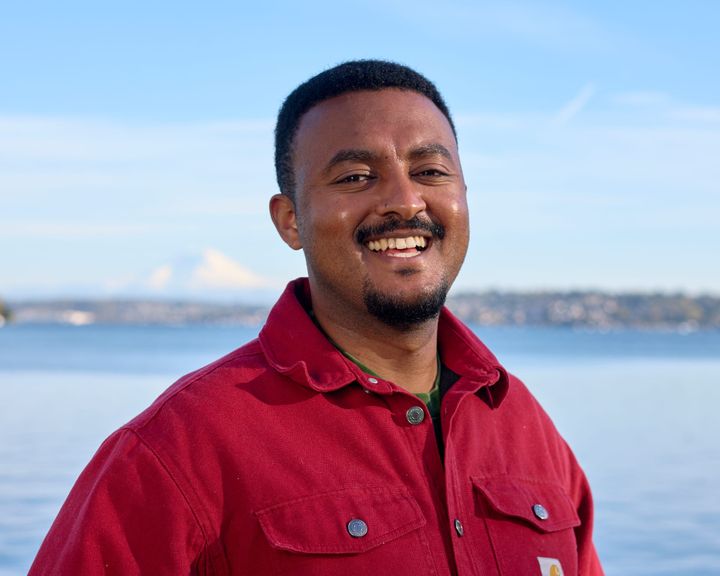

Hannah Sabio-Howell Challenges Senate Majority Leader Pedersen in Seattle's Most Progressive District
Hannah Sabio-Howell, a labor organizer and former Washington State Senate communications staffer, is challenging incumbent Senate Majority Leader Jamie Pedersen for the 43rd Legislative District's state senate seat. The district is widely considered the most politically progressive in the state.
What a State Senator Does and Why It Matters
The office Sabio-Howell is seeking carries more power over daily life in Washington than most residents realize. Washington's 49 legislative districts each elect one senator to serve four-year terms in Olympia, where the Legislature controls decisions that shape daily life far more directly than most federal offices do. State senators write the laws governing housing, health care, education, criminal justice, labor rights, and environmental policy, and they craft the state's multi-billion dollar operating budget, which determines how much money flows to local public schools, whether community mental health programs are funded, and what services are available to people with disabilities or in need of long-term care. They also set tax policy in a state with one of the most regressive tax structures in the nation.
The priorities a senator brings to office have real consequences: whether a family can afford child care, whether a neighborhood school is adequately staffed, or whether a renter has meaningful protections against an illegal eviction. Committee chairs control what bills get hearings and what quietly dies without a vote, and the Senate Majority Leader sets the chamber's entire agenda, which is why these races, and the money and interests behind the candidates seeking these seats, deserve close attention.
Why She's Running
Sabio-Howell says she entered the race because she believes Washington could be the best place in the country to build a life, but that business-as-usual governance is preventing that. "I believe Washington State could be the best place in the nation to build a life if we could afford to do that," she said. "But politics as usual won't make that affordable future possible."
She argues the 43rd District, specifically, should be producing bolder policy than it has. "There is no reason that the senator from the most progressive district in the state should take as much corporate money and allow corporate executives to set the agenda as my opponent does," she said.
Pedersen has represented the 43rd District for approximately 20 years and is serving his first re-election cycle as Senate Majority Leader. Sabio-Howell says that milestone makes this an important moment for voters to assess what Democratic leadership at the top of the Senate has and hasn't delivered. "I want to ask what a Democratic trifecta state should be able to deliver for us," she said. "And I think it is more than what we have so far gotten."
The Millionaire's Tax and the Budget
The 2026 legislative session produced the Millionaire's Tax, a tax on personal income exceeding $1 million per year, which Sabio-Howell says she is proud to have helped build momentum for through her organizing work. She calls it a genuine step toward tax fairness but says it cannot stand alone. "The Millionaire's Tax was an excellent step in the direction of building that more fair economy," she said. "However, I think that the other progressive revenue options that were on the table and were sidelined to make way for the millionaire's income tax really deserve time and attention."
Among the tools she says should be revived: a Wealth Tax, the estate tax that was rolled back this session, the Well Washington Fund introduced by Representative Shaun Scott, the Vibrant Cities Act, and a dedicated Wildfire Mitigation Fund. She frames the pattern of doing one big thing only when the budget is in crisis as a form of governance failure. "When we say status quo leadership or talk about politics as usual, we're talking about governing that governs by crisis," she said. "That waits for us to be in dire straits before … we do something bold."
Immigration Enforcement, Sanctuary Protections, and Federal Funding Threats
Sabio-Howell, who describes herself as a member of a mixed-status family and spent three years organizing alongside immigrant workers at Working Washington, says existing state sanctuary protections are insufficient and largely unenforceable. She wants the legislature to prohibit ICE access to courthouses, schools, and daycare centers; strip financial incentives from companies that contract with ICE; and create enforceable restrictions on surveillance data sharing with federal authorities. A mask ban passed last session, she notes, but lacks teeth. "The mask ban was a good step, but it is unenforceable," she said. She also tied the data-protection issue directly to the state's broader failure to regulate big tech. "The state's responsibility to protect our data … goes hand in hand with a conversation about how big tech, largely unregulated, is being able to expand AI right now," she said.
When asked how the state should respond to federal threats to withhold funding from states that maintain sanctuary policies and other protections, Sabio-Howell argued that Washington has the wealth to protect itself if it exercises the political will to access it. She pointed to two examples: the Fight for $15 minimum wage campaign, which she says proved that organized workers can successfully call corporations' bluff when told that higher wages would collapse the economy, and Seattle's social housing developer, which she says raised far more in its first year from a high-earner payroll tax than even optimistic projections had anticipated. "The wealth is present, I might even say exorbitant," she said. "And that can be used to materially make people's lives better." She argued that Washington's largest corporations have grown profitable in part because of the state's workforce, infrastructure, and public institutions, and that now is the time to require them to pay back into the system that made them wealthy, particularly as federal support shrinks.
AI Regulation and Energy Bills
House Bill 2515, which would have required AI data centers to pay a premium to protect residential utility ratepayers from skyrocketing energy costs, passed the House but died in the Senate after intensive lobbying by Microsoft and the tech industry. Sabio-Howell says she was very disappointed by that outcome and frames it as part of a broader pattern of government falling years behind on tech regulation. She supports requiring companies to bargain with labor before implementing AI that could displace workers, and pointed to a PROTEC17-backed bill that would have made AI a mandatory subject of bargaining for city and county employees as the kind of legislation she would champion. "We need to get creative and we need to think about ways in which we are protecting people's information, we are protecting people's energy bills, or protecting people from massive energy bills, or the subsidization of these data centers," she said. "And we need to be protecting our land. And I think that's the state government's job."
Public Defense Funding
The state's public defense system is in a constitutional crisis from years of underfunding, a situation that Sabio-Howell says affects everyone's civil rights regardless of whether they've ever been charged with a crime. Governor Ferguson set aside $100 million for police recruitment and training, but many jurisdictions are struggling to fill those positions. Sabio-Howell says that unspent money should be redirected to public defense and behavioral health. "I absolutely would vote to reallocate that unspent $100 million," she said. She argues that adequate public defense funding keeps communities safer by ensuring that innocent people are returned to their communities and that those who pose genuine risks receive appropriate intervention. She criticized the most recent legislative session for removing dedicated public defense funding that had originally been part of the Millionaire's Tax package.
Child Care
Child care affordability is a central theme of Sabio-Howell's campaign. She says the legislature has consistently said it prioritizes early learning while simultaneously cutting the system. Her vision for universal child care in Washington involves three interconnected steps: expanding paid parental leave so parents who are otherwise ineligible can afford to stay home with children from birth through age one; creating a home care subsidy for families with children aged two to three; and restoring cuts before expanding investment in a universal pre-K system. "The State Legislature has simultaneously said it prioritizes child care and early learning and also has made huge cuts to the system overall," she said. She argues the funding is available if the political will exists to tax wealthy corporations.
Climate Policy and the Climate Commitment Act
The Climate Commitment Act, landmark legislation that created a cap-and-trade system and generated dedicated revenue for climate investments, is under pressure. State reports show Washington is still falling short of its 2030 and 2040 emissions reduction targets, and some CCA funds have been redirected toward the general fund. Sabio-Howell says she opposes that diversion. "Raiding of CCA funding is ultimately a short-term fix that will be unhelpful or even harmful in the long run," she said. She noted that 90 percent of voters in the 43rd District voted to maintain the Climate Commitment Act in 2024 and says using those funds to paper over budget gaps undercuts the public's trust in government's ability to follow through on long-term commitments. She specifically called out the redirection of funds away from the objectives of the HEAL Act, which is designed to direct environmental investments toward communities most harmed by pollution, as out of step with the district's values.
Transportation and Health Equity
Life expectancy in some Seattle neighborhoods differs by as much as 10 years from others, and Sabio-Howell says transportation-related pollution from major roads and the region's airport is a documented driver of that disparity. She wants the state to invest in a genuinely multimodal and connected public transit system and to prioritize transit-oriented housing development so residents can access jobs, schools, child care, and health care without car dependence. She links affordable housing directly to the health disparities question, arguing that when workers are pushed far from where they work, longer commutes and housing instability become health issues. She says the state needs "a culture shift away from highway expansion at all costs and towards other forms of ensuring people can build healthy and connected lives and communities."
Endorsements and Fundraising
Sabio-Howell says she accepts no corporate PAC money and is running an entirely small-dollar, individual-donor campaign. Her endorsers include Seattle City Councilmember Alexis Mercedes Rinck, State Representative Shaun Scott, the Working Families Party, Tech 4 Housing, and Progressive Victory. She says those endorsements reflect organizations that have made "their clearest commitment be to working people in our state." She contrasts that with her opponent's fundraising, saying, "We in the 43rd District deserve leadership that is not going to be so quick to compromise with, or carry the water for the biggest, wealthiest, most powerful corporate interests in our state."
She is currently gathering signatures to waive the candidate filing fee rather than paying it outright, and says the volunteer turnout she has seen each weekend has included many first-time campaign volunteers who found her campaign through its online message about an affordable, resident-driven future. "That's been really remarkable as a sign of what the future of politics could be," she said. "One that people who had been previously disillusioned by … politics and government are actually coming back out and saying: … we actually believe we can shape the outcomes here."
About the Guest
Hannah Sabio-Howell
For the better part of a decade, Hannah has lived in Seattle and dedicated her career to fighting alongside workers to take our power back from corporations, level the playing field, and make life better for all of us. As the communications director for Working Washington for the past 3 years, Hannah helped lead successful campaigns to protect fair pay for gig workers, strengthen labor standards and enforcement, and ensure domestic workers, farm workers, and other workers who have been left out of labor rights receive the same protections we all deserve. In the Washington State Legislature from 2018-2022, Hannah worked alongside legislators as an aide and communications specialist to make Washington’s economy fairer, expand healthcare access, and make meaningful progress towards climate justice, working on policy like the capital gains tax, postpartum Medicaid expansion, and a single-use plastics ban. Outside of work, Hannah has served on The Urbanist’s Elections Committee and Pro-Choice Washington’s PAC board for the past four years, backing candidates for public office who fight for connected, inclusive communities that robustly invest in housing, transit, and reproductive justice policy. Hannah is also a cyclist, a professional photographer, and a renter who lives in First Hill.
Resources
Podcast Transcript
[00:00:50] Crystal Fincher: This is Hacks & Wonks, where we talk politics and policy in Washington state and cover what's happening, why it's happening, and what you can do about it.
Washington's 49 legislative districts form the backbone of state government, and the senators who represent them hold some of the most consequential and least understood power in the state. State senators serve four-year terms and sit in one of two chambers of the Washington State Legislature, which meets in Olympia each year to write the laws that govern nearly every aspect of life in the state. The scope of that work is broader than most people realize. State senators draft and vote on legislation covering education, housing, health care, criminal justice, environmental policy, labor rights, and more. They craft Washington's multi-billion dollar operating budget, the document that determines how much money flows to your child's school, whether community mental health centers are funded, and how much the state invests in affordable housing, and what resources are available for people with disabilities or in need of long-term care. They also set the capital budget, which funds construction and infrastructure across the state. And the transportation budget, which shapes everything from highway maintenance to public transit. Beyond budgeting, senators set the tax policies that determine who pays for all of it. And Washington's notoriously regressive tax structure means those choices have an outsized impact on working families. They also write the rules that govern landlords and tenants, employers and workers, law enforcement and the communities they serve. When a family can't afford child care, when a student with a disability isn't getting the support they need at school, when someone is held in jail because they can't afford a lawyer - those are often the downstream consequences of decisions made in Olympia.
The 43rd Legislative District covers Capitol Hill, First Hill, the Central District, and Madison Valley - and is one of the most politically engaged districts in the state. Its incumbent senator, Jamie Pedersen, currently serves as Senate Majority Leader and is running for re-election. Today, we're pleased to be joined by his challenger, Hannah Sabio-Howell, who is seeking election to that Senate seat. Welcome!
[00:03:21] Hannah Sabio-Howell: Thank you so much for having me - I'm so honored.
[00:03:24] Crystal Fincher: Excited to have you on. Well, as you probably know, we get started with a lightning round, which is a series of very quick yes or no, or one- or two-word answer questions - just to give people the opportunity to get to know you a little bit better, to level set a bit before we get into long form questions. So you can say yes, you can say no, or whatever short answer you have. Or you can waffle - you may not know, which is okay - that's not the worst thing in the world. Sometimes things do need more nuance, and you'll have a chance to get to that in the long-form answers. So if you're ready, we can get started.
So to start - Do you own or rent your residence?
[00:04:07] Hannah Sabio-Howell: I rent.
[00:04:09] Crystal Fincher: Are you a landlord?
[00:04:10] Hannah Sabio-Howell: No.
[00:04:12] Crystal Fincher: Have you ever been a member of a union?
[00:04:15] Hannah Sabio-Howell: No.
[00:04:16] Crystal Fincher: Have you ever walked on a picket line?
[00:04:19] Hannah Sabio-Howell: Yes.
[00:04:20] Crystal Fincher: Have you ever crossed a picket line?
[00:04:23] Hannah Sabio-Howell: No.
[00:04:25] Crystal Fincher: Is your campaign staff unionized?
[00:04:27] Hannah Sabio-Howell: No, we don't have staff at the moment.
[00:04:31] Crystal Fincher: If you do get staff and they want to unionize, will you voluntarily recognize their effort?
[00:04:37] Hannah Sabio-Howell: Absolutely.
[00:04:39] Crystal Fincher: What political party do you identify with?
[00:04:42] Hannah Sabio-Howell: Democrat.
[00:04:43] Crystal Fincher: Have you used the library system in the past month?
[00:04:47] Hannah Sabio-Howell: Yes.
[00:04:48] Crystal Fincher: Have you or someone in your household ever relied on public assistance?
[00:04:55] Hannah Sabio-Howell: Yes.
[00:04:57] Crystal Fincher: Have you ever been stopped or questioned by police in Seattle?
[00:05:01] Hannah Sabio-Howell: No.
[00:05:03] Crystal Fincher: Have you ever worked in retail or a job where you had to rely on tips?
[00:05:07] Hannah Sabio-Howell: Yes.
[00:05:09] Crystal Fincher: Have you ever owned a business?
[00:05:11] Hannah Sabio-Howell: No, unless freelance photography counts? But it's not an LLC, so no.
[00:05:16] Crystal Fincher: Have you ever managed a team of 10 or more?
[00:05:20] Hannah Sabio-Howell: No.
[00:05:21] Crystal Fincher: Have you ever reported someone's misconduct in your workplace?
[00:05:26] Hannah Sabio-Howell: No.
[00:05:27] Crystal Fincher: Have you ever fired someone?
[00:05:29] Hannah Sabio-Howell: Yes.
[00:05:32] Crystal Fincher: Do you have a sports team you actively follow?
[00:05:35] Hannah Sabio-Howell: The Seattle Storm.
[00:05:42] Crystal Fincher: Flau'jae!
Do you believe the state of Washington should reduce its overall number of employees to cut costs?
[00:05:49] Hannah Sabio-Howell: No.
[00:05:51] Crystal Fincher: Do you believe state government relies too much on contractors?
[00:05:58] Hannah Sabio-Howell: Hmm. Not sure.
[00:06:01] Crystal Fincher: Are you open to privatizing some state services if it proves more efficient?
[00:06:08] Hannah Sabio-Howell: No.
[00:06:10] Crystal Fincher: Do you support the state issuing more bonds to fund large capital projects?
[00:06:19] Hannah Sabio-Howell: Yes.
[00:06:21] Crystal Fincher: Would you vote in support of requiring U.S. Immigration and Custom Enforcement agents to get court approval before entering schools and health care facilities?
[00:06:29] Hannah Sabio-Howell: Yes.
[00:06:31] Crystal Fincher: Do you support electric vehicle makers like Rivian and Lucid being able to sell their cars directly to Washington residents at showrooms, a carve-out that only Tesla enjoys currently?
[00:06:46] Hannah Sabio-Howell: I don't believe in corporate carve-outs, but - yes.
[00:06:53] Crystal Fincher: Do you support a statewide mandate requiring all employers to bargain with labor before implementing AI that could displace human workers?
[00:07:02] Hannah Sabio-Howell: Yes.
[00:07:04] Crystal Fincher: Do you support a bill to protect rate payers from the massive energy demands of AI data centers, like House Bill 2515 from this past session?
[00:07:13] Hannah Sabio-Howell: Yes.
[00:07:15] Crystal Fincher: Do you support the Well Washington Fund introduced by Representative Shaun Scott?
[00:07:19] Hannah Sabio-Howell: Yes.
[00:07:21] Crystal Fincher: Do you support banning surveillance pricing by corporations doing business in the state?
[00:07:26] Hannah Sabio-Howell: Yes.
[00:07:28] Crystal Fincher: Do you accept corporate PAC donations?
[00:07:31] Hannah Sabio-Howell: No.
[00:07:33] Crystal Fincher: In response to fears of growing political violence across the country, do you support the use of campaign funds for personal security?
[00:07:42] Hannah Sabio-Howell: Yes.
[00:07:44] Crystal Fincher: Should private detention facilities, like the one used by federal immigration authorities in Tacoma, have to report abuse and neglect allegations as well as deaths and serious injuries to the State Department of Health?
[00:07:58] Hannah Sabio-Howell: Yes.
[00:07:59] Crystal Fincher: Should corporations be prevented from buying more than 25 homes?
[00:08:04] Hannah Sabio-Howell: Yes.
[00:08:06] Crystal Fincher: What's your favorite park in the district?
[00:08:09] Hannah Sabio-Howell: Freeway Park.
[00:08:11] Crystal Fincher: What's your favorite restaurant in the district?
[00:08:14] Hannah Sabio-Howell: Gemini Room.
[00:08:16] Crystal Fincher: What was the last live performance you saw in the district?
[00:08:21] Hannah Sabio-Howell: Ooh, I saw several performers at Neumos. It was sort of an open house - multiple bands played.
[00:08:34] Crystal Fincher: Nice. What's your favorite song?
[00:08:38] Hannah Sabio-Howell: Probably Make Me Feel by Janelle Monáe.
[00:08:41] Crystal Fincher: Love that song. I love Janelle Monáe.
[00:08:42] Hannah Sabio-Howell: Me too. Ah, the best.
[00:08:44] Crystal Fincher: What's your favorite album?
[00:08:47] Hannah Sabio-Howell: Ooh, also Dirty Computer by Janelle Monáe.
[00:08:51] Crystal Fincher: Okay, you know ball. Who's your favorite local artist?
[00:08:57] Hannah Sabio-Howell: Ooh, favorite local artist, LEMON BOY Band.
[00:09:01] Crystal Fincher: What's the last song you listened to?
[00:09:05] Hannah Sabio-Howell: Gosh - well, it was Espresso by Sabrina Carpenter. A bunch of things were just on radio.
[00:09:18] Crystal Fincher: What's the most recent book you've read?
[00:09:21] Hannah Sabio-Howell: I - most recent book was - actually - The Lines That Make Us by Nathan Vass, a bus driver nearby.
[00:09:32] Crystal Fincher: What's your top book recommendation for listeners?
[00:09:36] Hannah Sabio-Howell: Oh - How to Do Nothing by Jenny Odell.
[00:09:41] Crystal Fincher: What was the last sports event you attended?
[00:09:45] Hannah Sabio-Howell: It was a Sounders game.
[00:09:48] Crystal Fincher: What's your favorite cafe or coffee house in the district?
[00:09:52] Hannah Sabio-Howell: Nudibranch Coffee on Madison and 12th.
[00:09:55] Crystal Fincher: Have you ever contested a traffic ticket?
[00:09:58] Hannah Sabio-Howell: No.
[00:10:00] Crystal Fincher: Have you ever served on a jury?
[00:10:02] Hannah Sabio-Howell: I have not.
[00:10:04] Crystal Fincher: Have you ever been arrested?
[00:10:06] Hannah Sabio-Howell: No.
[00:10:07] Crystal Fincher: Have you ever taken transit in the past month?
[00:10:10] Hannah Sabio-Howell: Yes.
[00:10:11] Crystal Fincher: In the past week?
[00:10:12] Hannah Sabio-Howell: Mmm-hmm.
[00:10:13] Crystal Fincher: Have you ridden a bike in the past month?
[00:10:16] Hannah Sabio-Howell: I absolutely have.
[00:10:17] Crystal Fincher: In the past week?
[00:10:19] Hannah Sabio-Howell: Yes.
[00:10:20] Crystal Fincher: Do you prefer cats or dogs?
[00:10:23] Hannah Sabio-Howell: I grew up with cats. I think cats.
[00:10:25] Crystal Fincher: What's your favorite season?
[00:10:28] Hannah Sabio-Howell: Fall.
[00:10:29] Crystal Fincher: Have you attended a No Kings or other public protest?
[00:10:32] Hannah Sabio-Howell: I have.
[00:10:34] Crystal Fincher: Do you believe larger visible law enforcement presences are the most effective way to reduce crime?
[00:10:42] Hannah Sabio-Howell: No.
[00:10:43] Crystal Fincher: Do you believe the size of the State Patrol is too small, too large, or just right?
[00:10:49] Hannah Sabio-Howell: Hmm. Oh, just right.
[00:10:53] Crystal Fincher: Do you support implementation and expansion of crisis response team or non-officer crisis response teams?
[00:11:02] Hannah Sabio-Howell: Yes.
[00:11:05] Crystal Fincher: Do you support the use of automated license plate readers?
[00:11:08] Hannah Sabio-Howell: No.
[00:11:10] Crystal Fincher: Should facial recognition be banned in State Patrol use?
[00:11:14] Hannah Sabio-Howell: Yes.
[00:11:16] Crystal Fincher: Do you plan to vote to significantly increase funding for public defender services by the state?
[00:11:22] Hannah Sabio-Howell: Yes.
[00:11:23] Crystal Fincher: Should the state fund and provide gender-affirming care?
[00:11:27] Hannah Sabio-Howell: Yes.
[00:11:29] Crystal Fincher: Should the state prioritize investment in restorative justice programs over traditional incarceration for nonviolent offenders?
[00:11:37] Hannah Sabio-Howell: Yes.
[00:11:39] Crystal Fincher: Should the state cooperate with or share any data with federal authorities?
[00:11:45] Hannah Sabio-Howell: No.
[00:11:46] Crystal Fincher: Should the state maintain or increase funding for community violence intervention programs?
[00:11:53] Hannah Sabio-Howell: Yes.
[00:11:54] Crystal Fincher: Should the state explicitly codify protections for gender identity and public accommodations, including state-run facilities?
[00:12:04] Hannah Sabio-Howell: Yes.
[00:12:05] Crystal Fincher: Do you plan to increase funding for investigations of labor violations like wage theft and illegal union busting?
[00:12:11] Hannah Sabio-Howell: Absolutely.
[00:12:13] Crystal Fincher: Do corporations in the state pay their fair share of taxes?
[00:12:16] Hannah Sabio-Howell: No.
[00:12:18] Crystal Fincher: Do small businesses pay their fair share of taxes?
[00:12:22] Hannah Sabio-Howell: No, they pay too much.
[00:12:24] Crystal Fincher: So yes, they do pay their fair share. And you think they're paying too much.
[00:12:30] Hannah Sabio-Howell: Yeah. Mmm hmm.
[00:12:32] Crystal Fincher: Do you support the rent stabilization bill that passed in a recent legislative session?
[00:12:38] Hannah Sabio-Howell: Yes.
[00:12:39] Crystal Fincher: Do you think that bill should go further?
[00:12:41] Hannah Sabio-Howell: Yes.
[00:12:43] Crystal Fincher: Do you support using state funds to purchase vacant hotels for immediate shelter for unhoused people?
[00:12:50] Hannah Sabio-Howell: Yes.
[00:12:51] Crystal Fincher: Do you support the state playing a more active role in regulating short-term rentals like Airbnb?
[00:12:57] Hannah Sabio-Howell: Yes.
[00:12:59] Crystal Fincher: What's your go-to karaoke song?
[00:13:03] Hannah Sabio-Howell: Maneater by Nelly Furtado.
[00:13:05] Crystal Fincher: What's the most recent show you watched that you love?
[00:13:07] Hannah Sabio-Howell: Bridgerton.
[00:13:11] Crystal Fincher: What's the first concert you ever attended?
[00:13:15] Hannah Sabio-Howell: Oh my gosh, it was actually a Beyoncé concert. I was very lucky.
[00:13:22] Crystal Fincher: What's your favorite Seattle sports moment?
[00:13:26] Hannah Sabio-Howell: I think - I would say probably Megan Rapinoe's final game. I got to be there - that was really wonderful.
[00:13:39] Crystal Fincher: That's awesome. What's your favorite comfort food?
[00:13:43] Hannah Sabio-Howell: Tater tots.
[00:13:45] Crystal Fincher: Ooh that's a good one. Are you an early bird or a night owl?
[00:13:49] Hannah Sabio-Howell: Night owl, much to my chagrin.
[00:13:52] Crystal Fincher: What's a hobby people wouldn't expect you to have?
[00:13:56] Hannah Sabio-Howell: Ooh - wouldn't expect me to have? Um, I sew.
[00:14:02] Crystal Fincher: Oh nice - I need to relearn how to sew.
[00:14:04] Hannah Sabio-Howell: Not well, but I I do.
[00:14:07] Crystal Fincher: What's your favorite neighborhood in the district?
[00:14:10] Hannah Sabio-Howell: Oh, it's got to be First Hill - where i live.
[00:14:14] Crystal Fincher: What's your favorite rainy day activity?
[00:14:18] Hannah Sabio-Howell: Oh gosh, well I already said sewing. But uh, reading.
[00:14:23] Crystal Fincher: What's your favorite Sound Transit station name?
[00:14:26] Hannah Sabio-Howell: Symphony Station.
[00:14:28] Crystal Fincher: Have you voted in every general election in the past four years?
[00:14:32] Hannah Sabio-Howell: I have.
[00:14:33] Crystal Fincher: Every primary in the past four years?
[00:14:36] Hannah Sabio-Howell: I also have.
[00:14:37] Crystal Fincher: Have you made any endorsements that you regret?
[00:14:41] Hannah Sabio-Howell: No, I have not.
[00:14:43] Crystal Fincher: Have you made any donations that you regret?
[00:14:47] Hannah Sabio-Howell: No, I have not.
[00:14:49] Crystal Fincher: Last year, did you vote for Bruce Harrell or Katie Wilson for Seattle Mayor?
[00:14:54] Hannah Sabio-Howell: Katie Wilson.
[00:14:56] Crystal Fincher: And did you endorse either one of them?
[00:14:59] Hannah Sabio-Howell: I did not, but my organization did. Working Washington did endorse Katie.
[00:15:06] Crystal Fincher: Did you vote for or endorse Sara Nelson or Dionne Foster for City Council?
[00:15:12] Hannah Sabio-Howell: I voted for Dionne Foster.
[00:15:14] Crystal Fincher: Did you vote for or endorse Rob Saka or Maren Costa for City Council?
[00:15:20] Hannah Sabio-Howell: I did not live in Maren's district, but I would have supported Maren.
[00:15:25] Crystal Fincher: Did you make an endorsement in that race?
[00:15:28] Hannah Sabio-Howell: I didn't.
[00:15:29] Crystal Fincher: Did you vote for or endorse Maritza Rivera or Ron Davis?
[00:15:33] Hannah Sabio-Howell: Ron Davis, I would have supported.
[00:15:36] Crystal Fincher: Did you vote for or endorse Joy Hollingsworth or Alex Hudson?
[00:15:40] Hannah Sabio-Howell: Alex Hudson.
[00:15:43] Crystal Fincher: Did you vote for or endorse Tammy Morales or Tanya Woo?
[00:15:47] Hannah Sabio-Howell: Tammy Morales.
[00:15:49] Crystal Fincher: Did you vote for the reauthorization of Seattle's Democracy Voucher program?
[00:15:55] Hannah Sabio-Howell: I did.
[00:15:57] Crystal Fincher: Did you vote for or endorse Girmay Zahilay or Claudia Balducci for County Executive?
[00:16:03] Hannah Sabio-Howell: Girmay Zahilay.
[00:16:05] Crystal Fincher: Did you vote for Seattle's social housing initiative in February?
[00:16:10] Hannah Sabio-Howell: I did.
[00:16:11] Crystal Fincher: And did you vote for option 1A, 1B, or neither? Or what passed, what didn't pass, or you voted for nothing to pass?
[00:16:18] Hannah Sabio-Howell: Oh. Well, I voted for funding it. And I voted - I voted for it, I voted to fund it, and I voted Prop 1A, the high earners payroll tax.
[00:16:28] Crystal Fincher: Did you vote for the Automated Fingerprint Identification System Levy?
[00:16:35] Hannah Sabio-Howell: Yes. Yes.
[00:16:39] Crystal Fincher: You voted yes on that?
[00:16:40] Hannah Sabio-Howell: I did.
[00:16:42] Crystal Fincher: Do you support the upcoming Proposition 1 Parks and Open Space Levy renewal?
[00:16:47] Hannah Sabio-Howell: I do.
[00:16:49] Crystal Fincher: Have you made an endorsement in the 37th Legislative District open seat for State Representative?
[00:16:55] Hannah Sabio-Howell: I have. I've endorsed Jaelynn Scott.
[00:16:59] Crystal Fincher: Have you made an endorsement in the 46th Legislative District race that includes Ron Davis and Representative Gerry Pollet?
[00:17:07] Hannah Sabio-Howell: I have not. I have not been asked, but I support Ron.
[00:17:13] Crystal Fincher: Do you plan to endorse or support Leesa Manion for re-election as King County prosecutor?
[00:17:19] Hannah Sabio-Howell: I do.
[00:17:22] Crystal Fincher: All right. That's all of the questions - that concludes our lightning round. Thank you.
[00:17:27] Hannah Sabio-Howell: Thank you.
[00:17:28] Crystal Fincher: Now, if you want to - you don't have to - but you can take a minute to expand on anything where you might have hedged. I don't even think you hedged on any of them.
[00:17:40] Hannah Sabio-Howell: Hmm. I might have - oh, one I wasn't sure about is just whether there are too many contractors in the state's employ. Um, I - that is just genuinely something I would want to talk to the unions in our state about and understand their position on. I, I just don't know how many contractors are involved in state funded projects. So that's something I would want to do more research and and have more conversations about.
[00:18:13] Crystal Fincher: All right, well, getting to our general questions. I want to get a feel for where you're coming from, so why are you running? And what will your top priorities be if elected?
[00:18:23] Hannah Sabio-Howell: Yeah, thank you. Well, I'm running because I believe Washington State could be the best place in the nation to build a life if we could afford to do that. But that politics as usual won't make that affordable future possible. And the 43rd District in particular is the most progressive district in the state, where I believe the most bold and visionary policies could really be coming from. To me, that looks like aggressive laser focus on making housing abundant, to reduce rent, and put homeownership within reach. It means fighting for and winning a universal child care program to lift families out of struggle. It means fully investing in the teachers and the students and the staff of our K-12 and our higher education systems. Protecting our immigrant and trans community members' safety and opportunity. And in order to make that strong safety net possible, those strong social services possible - taxing the ultra wealthy corporations in our state that have built their wealth here, oftentimes at our expense, to invest in those programs and relieve the cost burden on the rest of us. I feel really hopeful and optimistic about what's possible when pro-worker leaders who bring organizing experience and legislative expertise to office. And nowhere is that exciting, affordable future more possible than from leadership within the 43rd District.
[00:20:02] Crystal Fincher: Now, you're challenging an incumbent here. You're challenging Senator Jamie Pedersen, who has been a long-standing incumbent and is the leader of the Senate Majority currently. Why are you challenging him, and how do you differ?
[00:20:19] Hannah Sabio-Howell: Well, I think it's important to note that this is his first re-election since becoming the Senate Majority Leader. And it's an important opportunity for us to hear from the Senate Majority Leader what his vision is for - not just our state, but also the Democratic Party. And I want to ask what a Democratic trifecta state should be able to deliver for us. And I think it is more than what we have so far gotten. I think there is no reason that the senator from the most progressive district in the state should take as much corporate money and allow corporate executives to set the agenda as my opponent does. And particularly in the 43rd district, where we have affirmed over and over again that we believe in taxing the rich and building a Washington that working people can afford. I think that right now is the time to stand up to the corporate or super wealthy special interests that have taken control of our federal government. And we need to hold the line against those corporate special interests here in Washington now more than ever and not carry the water for them.
So how we differ is that I don't take any corporate PAC money and I will not. And that currently makes up well over half of the Senator's campaign coffers. And we know that those donations, those donors, do influence how governing happens. And that we in the 43rd District deserve leadership that is not going to be so quick to compromise with, or carry the water for the biggest, wealthiest, most powerful corporate interests in our state. Particularly when, over the last 20 years, the cost of housing has doubled. Things like health care have not gotten more affordable, but in fact have become completely out of reach for the increasing number of people in our state who are underinsured or uninsured. Child care has not gotten more affordable. That actually continues to become such a skyrocketing, burdensome cost on families in our state. And I absolutely don't doubt the intentions of the Senate Majority Leader and the caucus at large. But this race is about bringing an urgency and a relentless focus on material outcomes for people. And that's why I'm jumping into a race, even against a 20-year incumbent who has a lot of money.
[00:23:21] Crystal Fincher: Now, the 2026 session saw the passage of the Millionaire's Tax, but it arrived alongside a projected budget shortfall. So was the final version that passed - in your view - a progressive win, or compromise of necessity, or something in between? And what specific revenue tools or cuts will you advocate to address the remaining budget challenges?
[00:23:45] Hannah Sabio-Howell: Yeah, thank you for that question. I was super proud in my work at Working Washington to be a part of the broad coalition of working class organizations championing something like the Millionaire's Tax. Not just this year, but years ago - this is work that has been- This is - the Millionaire's Tax was an outcome that was paved brick by brick by organizers uplifting the fact that Washington's economy relies so heavily on working people to fund social services that only continue to erode, while the biggest and wealthiest entities and individuals in our state get bigger and wealthier. The Millionaire's Tax was an excellent step in the direction of building that more fair economy - one where people can reliably build the lives that we dream of here and rely on the state government to help be part of that.
However, I think that the other progressive revenue options that were on the table and were sidelined to make way for the millionaire's income tax really deserve time, attention. And we need - urgently - leaders who are courageous enough to bring that back and not treat big, bold policy like it's something we can only do one at a time and when crisis forces our hand. One of the things that we are uplifting as we run this race for a more fair, more just, more affordable Washington is that - when we say status quo leadership or talk about politics as usual, we're talking about governing that governs by crisis. That waits for us to be in dire straits - for things to be really bad for our budget situation - to require something like the millionaire's income tax before we do something bold. And I think things like the Wealth Tax, Representative Shaun Scott's Well Washington Fund. You know, the estate tax that was rolled back this year. Things also like the Vibrant Cities Act and the Wildfire Mitigation Fund - you know, other forms, other progressive revenue tools or tax rebalancing tools that advocates in the fair economy space were championing - really need to be brought back. Because - now is not the time to continue to wait for crisis to do one thing at a time while people are struggling. I would absolutely be a part of - be a proud part of - a coalition of lawmakers and organizers and working people across our state advocating for the other suite of tools that we know are necessary for ensuring that working people can build good lives here.
[00:27:02] Crystal Fincher: Now, with the federal administration's current focus on mass deportations, we've seen reports of state data being used by ICE and federal authorities - despite our sanctuary laws and protections that were supposed to be in place. What's one specific new legislative tool or loophole-closing bill that you would support to prevent state resources, from Department of Licensing data to local jail rosters, from being weaponized by the federal government even if it risks federal funding costs?
[00:27:39] Hannah Sabio-Howell: Yeah, well, I am someone in a mixed status family and have spent the last three years organizing alongside a largely immigrant worker base. So this is top of mind for me. And what we've seen states do across the country has included things that we have yet to try here in Washington - or took good steps to do, but really need to move further and make enforceable. So among those things, among those tools I'm thinking of - we absolutely need to prohibit ICE access to sensitive community spaces like courthouses and schools and daycare centers - places where they are showing up and tearing families apart. We also - you know, the mask ban was a good step, but it is unenforceable. So I think we also need to think about things like how we can strip incentives for companies that contract with ICE, because there is no world in which anyone should be profiting from families getting torn apart and removed from their homes and their communities. We definitely need to restrict ICE access to surveillance data and protect people's information. That's something that, you know, has been a conversation and has moved forward in the State Legislature to a degree. But again, the moment demands fighters who are going to work with laser focus and with urgency on the tools the federal government is using to terrorize our communities and make boogeymen out of immigrant workers and trans youth. You know, the state's responsibility to protect our data is something in particular that I think - it goes hand in hand with a conversation about how big tech, largely unregulated, is being able to expand AI right now. And this is a space where the state government has to step up because the federal government absolutely will not and has not.
[00:29:50] Crystal Fincher: Now, I want to circle back a little bit on the question of threats of removing federal funding, which we've seen in several instances across the country. And given the types of policies that have been passed in Washington state that you're advocating for, we could very well see more threats to funding based on support for the types of policies you advocate. How should you handle those as a legislator? And how should we handle it as a state?
[00:30:24] Hannah Sabio-Howell: Yeah, well, I want to point to a couple of examples that the wealth - massive amounts of wealth exist here in Washington. It's just not felt by working people. But we know that it's there and can be used to strengthen our safety net and our social services, even when - and especially when - the federal government is divesting from states like ours. I want to point to the Fight for $15. As far back as that went, I think it's a really useful example of how a cross-sector, well-organized, well-mobilized group of workers in Washington state came together to stand up to a corporate narrative, to call corporations' bluff that raising wages for workers was going to make the sky collapse. That there was no way in which the giant corporate - biggest, wealthiest corporations in our state could afford to pay workers a fair wage. And we know - 10 years later, as the sky remains aloft - that's absolutely not true. And the resilience and the robustness of our economy got stronger because of that win. And - so that's Example 1 of how the money is present in Washington state to do big things that materially make workers' lives better, make working families' lives better. And where Washington state can protect ourselves. And then the social housing developer here in Seattle, which just reported its first, or provided its first report about the money that that high earner's payroll tax pulled in to fund the developer - pulled in so much more than even the most optimistic projections. Underlining that, again, the wealth is present - I might even say exorbitant. And that that can be used to materially make people's lives better and make affordable housing a real option for people. I point to those two examples because those are signs that in Washington state, the biggest and wealthiest corporations that have built their wealth in part because of our incredibly talented workforce, because of our strong infrastructure, our health, our education system - those big companies have become so profitable because of Washington state. And now, what we know we need to do is ensure that those biggest, wealthiest individuals and entities here in Washington pay into the same system that made them so wealthy in the first place. And with a federal government threatening to and increasingly acting on those threats to defund our states, now's the time to exercise the political will to get it done.
[00:33:26] Crystal Fincher: Now, during the last session, House Bill 2515, a bill to protect rate payers from the massive energy demands of AI data centers, passed the House but failed to advance in the Senate after intense lobbying from Microsoft and the tech industry. As a matter of policy, should emerging large energy users like AI data centers be required to pay a premium to protect residential rate payers, or do you believe that kind of regulation would drive the tech sector outside of Washington state?
[00:34:00] Hannah Sabio-Howell: Absolutely, we need to regulate this industry. I think that when we - again, I'll point to another example. When workers in the food delivery gig economy were organizing hard to defend fair pay law, here in Seattle, from rollback by the Seattle City Council back in 2024, we were up against the same giant tech corporations like DoorDash, Uber Eats, Grubhub, throwing hundreds of thousands - in DoorDash's case - over a million dollars into lobbying the City Council to roll back gig workers' wages. And we workers organized and called their bluff that any form of regulation on the impact they're having on workers, on consumers, on our local economy requires some transparency. Because that's ultimately what workers - that was what was built into the fair pay law. And these giant corporations have become so profitable in part because they have been so under-regulated for so long and given free reign over the way in which they treat workers, the way in which they charge customers, the way in which they charge small businesses. And I believe that that is exactly how - that's a parallel experience when it comes to regulating giant tech companies that are relying on and expanding upon AI.
I was very disappointed that some of those regulations did not make it through the State Legislature this year, because I do think that government, largely, at every level has been many years behind the ball when it comes to regulating big tech. I mean, we've seen almost comical examples of members of Congress not understanding how Instagram or TikTok work. We are many years behind even that. And the industry has evolved beyond our laws. And that's going to require, again, urgency and focus and political will from state lawmakers who I think owe people in Washington, have the responsibility to people in Washington to protect us from the exploitation of our land, our utility grid, and us as consumers or users of these products. There's also things I would point to like, you know, PROTEC17 was championing a bill to make AI a subject of bargaining for city and county employees - that's something I would strongly support. I think that, given that Washington is among the top 10 states with the highest number of data centers, we need to get creative and we need to think about ways in which we are protecting people's information, we are protecting people's energy bills - or protecting people from massive energy bills, or the subsidization of these data centers. And we need to be protecting our land. And I think that's the state government's job.
[00:37:25] Crystal Fincher: Now, Governor Ferguson has set aside $100 million for police recruitment and training, but many cities are struggling to actually fill those seats. At the same time, our public defense system is in a constitutional crisis due to lack of funding, which impacts everybody's civil rights in the state. Would you vote to reallocate that $100 million specifically to public defense and behavioral health, or do you believe law enforcement recruitment remains the higher priority for the 43rd's safety?
[00:37:59] Hannah Sabio-Howell: I absolutely would vote to reallocate that unspent $100 million. And especially to ensure that our - as constitutionally mandated - public defense system is adequately and robustly resourced. I think - I'm super glad you brought this up, because I think that similar to the state's obligation to fund our K-12 system, we also have a mandate to fund our public defense system. Something that we know both keeps people safe - keeps communities safe from people who may be a harm to themselves or to others - but also ensures that people who are innocent receive their due and can return to their communities. I think underfunding of our public defense system is not only terrible for the incredible attorneys and staff who make that system run, but also absolutely terrible for people who are navigating the criminal legal system. So this is a key difference, I would say, between myself and my opponent - because this was something that the State Legislature had the opportunity to address. It was a part of what the millionaire's income tax would have created some dedicated funding for. And it was removed and somewhat dismissed by the end of this past legislative session. And again, I think we've seen - particularly in King County, we have seen that adequate funding of our public defense system is effective. It it really works. And so undoing or cutting any of that progress, any of the investments the state had made in that progress is really going to affect the safety and well-being of our communities. And I do think that $100 million for police recruitment that isn't getting used is an excellent place to start.
[00:40:14] Crystal Fincher: What should the state be doing to make child care more affordable?
[00:40:20] Hannah Sabio-Howell: Thank you for bringing this up because this is something that our campaign is uplifting. That year over year, the State Legislature has simultaneously said it prioritizes child care and early learning and also has made huge cuts to the system overall. And I see universal child care as a system that is possible in Washington State, truly. One, by the expansion of paid parental leave. I think this is something that the state could do to ensure that people - parents who are otherwise ineligible for paid parental leave to be able to stay home with and love their baby from, you know, zero to one years old can actually afford to do so. I also think that the state could support or provide a subsidy in the form of a home care benefit for parents, who could use that to get the care that suits them and their family for that period of time where their child is two to three years old. And that better investments - that restoring cuts to and then expanding investments in a universal pre-K system is the set of steps I see being accomplishable here in Washington state. Again, because I would point to the fact that in Washington state, we have the money. We just need to exercise the political will to ensure that the biggest and wealthiest corporations and individuals here are paying into that system. And with the knowledge, with the clear evidence that investing in families' ability to build their family, to care for their child before kindergarten has long-standing positive impacts on families and communities here in Washington state. So those are three things that I think the State Legislature can and absolutely should do to ensure that Washington families who currently hold the struggle - the burden of child care alone - have some support with that.
[00:42:42] Crystal Fincher: So the Climate Commitment Act, which was a landmark piece of legislation here in Washington state, is facing scrutiny. Some about its existence overall, but also about its execution and effectiveness - the State reports are showing we're still lagging behind on emissions reductions needed to hit our 2030 and 2040 statutory benchmarks. So we are also seeing some of that money being targeted for administrative costs, to patch the general fund with some greenwashing perhaps. So how is it justifiable to spend Climate Commitment Act on administrative funds or the general fund when we're failing to meet our emissions targets? And what should we be spending more on? Or how do we correct this path?
[00:43:39] Hannah Sabio-Howell: Yeah, I do think that the raiding of CCA funding - or diverting of CCA funding - is ultimately a short-term fix that will be unhelpful or even harmful in the long run. Just like you mentioned - because it works in opposition to the goals that Washington state and the people of our state have set out for a sustainable and healthy future. I think it's worth mentioning that the 43rd District specifically approved the - or reaffirmed our approval of the Climate Commitment Act in 2024 by huge margins. 90% of people in the 43rd District voted for maintaining the CCA. Because again, this type of accountability from major corporations, major polluters in our state - and that future thinking investment in a healthy future with clean air, clean water, healthy land that makes it more possible for people to build healthy lives is something that people in our district, but also definitely in our state, really value. I think that in - particularly the ways in which the the redirection of of CCA funding away from things like the objectives of the HEAL Act is disappointing and not in line with our community's values. And this is part of why - when I mention status quo leadership governing by crisis, I think about things like this - that we have our hand forced as a state to either do big things or roll back our previous commitments to big things. And that's ultimately going to make it harder for people in our state to trust our government. Something that I really believe in, something that our campaign is about is that government can deliver for us. But at a time when trust in government is at an all-time low, things like reneging on our commitment to sustainability, to those lofty previous promises to invest in child care - these are things that make it harder for people to believe in or trust in government as a tool for making our lives better. And that's something that we are running to fix.
[00:46:34] Crystal Fincher: Now, we're seeing disparities in life expectancy in some areas - even within the 43rd District, but certainly between the 43rd and other places in Seattle - life expectancy differences of up to 10 years. A lot of that has been shown, according to reports, to be due to transportation-related pollution from major thoroughfares, from airports. What should the state be doing? What will you advocate, as a senator, to close that life expectancy gap and deliver better health outcomes for the residents of your district and across Seattle?
[00:47:17] Hannah Sabio-Howell: Something about status quo governing that has been a reliable part of how people for the last several decades have governed is with the lens of highway expansion always, always, always. And what we know is that cars and pollution that comes from - or the the toxification of our air and our communities from cars is far and away one of the biggest problems that we could address, again, with future thinking investments in public transit as a meaningful and connective mode of transportation. And developing near transit to make it easier for people to get to school, work, child care, health care without reliance on a car. I think that's one thing that I really think the State Legislature has not only an opportunity to but an obligation to step into - investing meaningfully in a truly multimodal and connected state. And that really starts with a culture, or that's going to require a culture shift away from highway expansion at all costs and towards other forms of ensuring people can build healthy and connected lives and communities. So public transit is a huge one for me - as a frequent public transit user and as someone who's had the opportunity to be connected to an urbanist community for a long time now. That's something that we know is directly tied to people's ability to get where they need to go, to provide for themselves and their families, and in a healthy way.
The other thing that I really think is possible is - just to your question about ensuring that we're really addressing what we know are the health impacts, the negative health impacts that come out of development that really centers cars. I think that we also really need to make affordable housing a meaningful part of people's lives. That our lived experiences - like I mentioned, over the last 20 years, the cost of housing has doubled. Our lived experiences as working people in this state has been that housing is increasingly unaffordable. And particularly in the 43rd District, this is a really acute problem. And we know that when we have people who are living far away from where they work here in our vibrant district - where the presence of small businesses is a really key part of our community's economy - pushing out workers from where they work is a huge part of, you know, people spend more time commuting, people have a harder time maintaining their, that employment. And it's it's something that is directly tied to the state's willingness to throw down for affordable housing options - all all possible tools for making affordable housing available, particularly in our urban centers.
[00:51:04] Crystal Fincher: What do you think your donations and endorsements say about you and your campaign?
[00:51:11] Hannah Sabio-Howell: Well, this is a grassroots and people-powered campaign, and we see that be true in the way in which we are exclusively supported by individual small-dollar donors. And we are supported - in terms of endorsements, we are supported by the people and the organizations that have made their clearest commitment be to working people in our state. So that includes Councilmember Alexis Mercedes Rinck. That includes Representative Shaun Scott. It includes organizations like the Working Families Party, Tech 4 Housing, Progressive Victory. These are organizations and people that have either been overwhelmingly elected by the 43rd District, or have built an incredible organizing base of people here who prioritize organizing alongside people - treating policy like it is something that we build together, not something that happens to us. And that's a key part of our campaign's orientation to this work - we believe in campaigning the way that we would govern. Which is to say alongside everyday people and uplifting everyday people's priorities and the organizing that makes good policy possible. So that, I think the story that our individual donations tell, the story that these different endorsements tell, is that this really truly is a grassroots campaign that is not only willing to, but experienced with picking big fights against big money and winning alongside organized working class people.
[00:53:09] Crystal Fincher: What should be on our radar that we haven't discussed?
[00:53:17] Hannah Sabio-Howell: I think that - one of the things that I think about often is how when I was working at the State Legislature as a communications specialist in the Senate, I had the privilege of staffing the Members of Color Caucus and also working very closely with the staff of the LGBTQ Caucus. If I have the honor of being elected, I would be a member of both caucuses. And what working for those legislators taught me is that the coalition building of a particular block of lawmakers with a shared set of values and priorities - not treating communities of color or LGBTQ communities like a monolith, but articulating a shared set of things we will go to the mat for - that is a essential, non-negotiable part of effective governing and winning good policy alongside people in our community.
And that something that our race, something that our campaign offers that I think also sets us apart from the incumbent and just politics as usual, is that we're governing for a different era. We're governing for tomorrow as the face of the future of this party. And that we want to make government feel not only accessible and transparent and trustworthy, but like something that we have ownership of. And that, as we we know that people feel incredibly disenchanted by and frustrated by and forgotten by government - that it doesn't have to be that way. And that - as we've seen in our campaign so far, we have been signature gathering to waive the filing fee. And every single weekend that we have done that, we have turned out new volunteers, new faces - not just new to our campaign, but new to any campaign period - who saw our message of an affordable future that we have ownership of online and came to volunteer with us because they believe in that. And that's been really remarkable as a sign of what the future of politics could be - one that people who had been previously disillusioned by or jaded by politics and government are actually coming back out and saying - No, we actually believe we can shape the outcomes here. And we know we can because we are working alongside legislators who lift us into the role of of shaping this policy rather than treating it like it is something bestowed upon us. So that's been a really special part of this campaign so far and something that I want to uplift - just because I think it is a sign that rejecting politics as usual, or status quo governing, is not just something we are paying lip service to or messaging about. It is real. And it's happening. And that's - it's evident in the way that people have chipped into our campaign with their time or their money or or or their support online. And that makes me really excited about what's possible in Washington state.
[00:56:58] Crystal Fincher: Well, thank you so much for joining us today - sincerely appreciate it and look forward to following your campaign.
[00:57:05] Hannah Sabio-Howell: Thank you so much - pleasure to talk with you.
[00:57:08] Crystal Fincher: Thank you for listening to Hacks & Wonks, which is produced by Shannon Cheng. You can follow Hacks & Wonks on Bluesky @HacksAndWonks. You can find me on Bluesky at @finchfrii - that's F-I-N-C-H-F-R-I-I. You can catch Hacks & Wonks on every podcast service and app - just type "Hacks and Wonks" into the search bar. Be sure to subscribe to get the full versions of our Friday week-in-review shows and our Tuesday topical show delivered to your podcast feed. If you like us, leave a review wherever you listen. You can also get a full transcript of this episode and links to the resources referenced in the show at officialhacksandwonks.com.
Thanks for tuning in - talk to you next time.