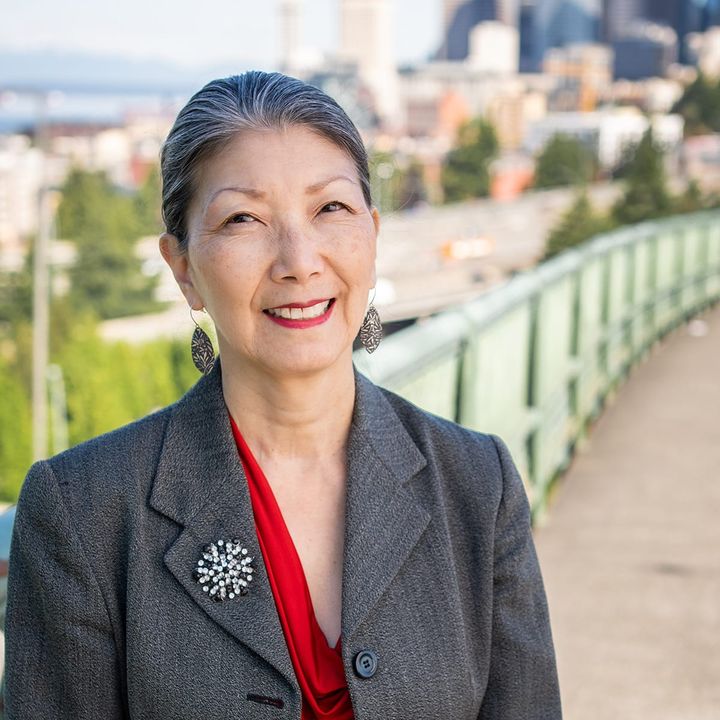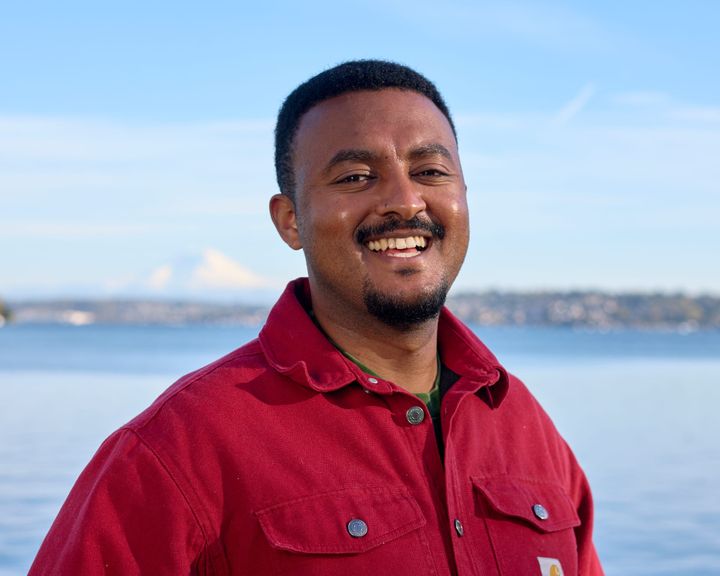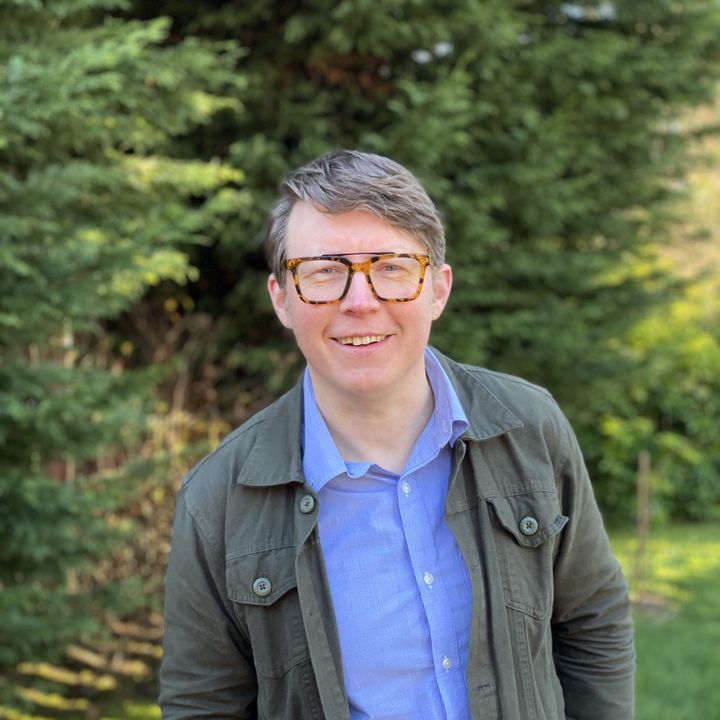

Nilu Jenks, Seattle City Council District 5 Candidate, Shares Her Priorities and Plans
Nilu Jenks is running for the District 5 Seattle City Council seat, prioritizing affordable housing, reliable public transportation, and climate resilience
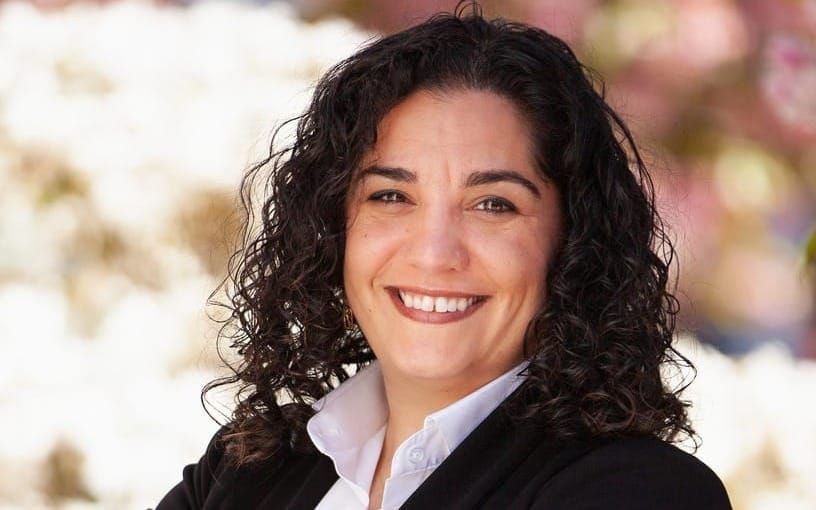
Nilu Jenks is running for the Seattle City Council's District 5 seat in a special election triggered by Cathy Moore's resignation in July 2025. Appointed incumbent Debora Juarez is holding the seat until voters choose who will fill it for the remainder of the term. District 5 covers Seattle's far north end, taking in neighborhoods including Lake City, Greenwood, Northgate, Pinehurst, Haller Lake, Broadview, Licton Springs, Meadowbrook, and Bitter Lake, and is home to a large immigrant and refugee population, and established wealth alongside longtime working-class communities.
The Seattle City Council serves as the city's legislative branch, with authority to write and pass local laws, set the annual budget, establish zoning and land use rules, fund human services, and oversee City departments including the Seattle Police Department. While the mayor manages day-to-day city operations, the nine-member council controls the budget and sets the policy agenda, giving it enormous influence over housing affordability, public safety, transportation, and the quality of life for every Seattle resident. Seven of the council's nine members represent geographic districts, with the remaining two elected citywide.
Why She's Running
Jenks ran for the District 5 seat once before, three years ago, drawn initially by concerns about the Comprehensive Plan and the city's response to the climate emergency. This time around, a more immediate grievance pushed her back into the race.
"In the meantime, I've lost my local grocery store and pharmacy," she said, "and I really believe that if blue progressive cities don't start meeting basic needs, we see people moving away from democracy itself."
She describes her priorities as straightforward: affordable housing, a reliable public transportation system, and climate resilience. She also frames her vision of a successful city around whether it works for people at both ends of the age spectrum. "A city that works for an 8-year-old and an 80-year-old is a city that works for everyone," she said.
Jenks also points to timing as a factor. The District 5 seat opened in the same year Seattle is implementing ranked-choice voting, a system she has worked on at the state legislative level. "It'd be nice to have an expert," she said.
Public Safety as More Than Policing
Jenks defines public safety broadly, encompassing access to housing, clean air, shelter, and stable streets, not just law enforcement response.
"Public safety for me is pretty expansive," she said. "Nobody should be living on the street. It's enough shelter beds and it's enough affordable housing. It's rental protections…kids being able to walk to school on safe streets, and it's a city working towards a sustainable future where everybody gets to have access to clean air, water, shelter, food."
On police response times specifically, Jenks pointed to what she sees as an unnecessary barrier to getting help to people in need. She argues that Police Chief Barnes has the authority to direct more non-violent calls to the CARE alternative response team without waiting for further contract negotiations.
"My understanding is that Chief Barnes could in fact direct officers to direct more calls that are not violent emergencies, that don't require a gun, to be attended to by CARE," she said. "If we're struggling to hire police, which we are, it's a national issue, we should support a really robust alternative response. I don't understand why this has been such a struggle. It's something Seattle has wanted since 2010, and we're behind our fellow cities, let alone Eugene, Oregon, and Albuquerque, New Mexico. It's time Seattle catches up and grows up, be responsible, and actually take care of our neighbors."
She added that the December SPOG contract made it harder for CARE to respond, but argued that the city's goal should be a genuine partnership between traditional police response and alternative response teams.
The Tech Economy and Taxing AI
Seattle's tech-heavy economy has shed thousands of jobs in recent years, and Jenks says she is "pretty nervous" about what comes next. She sees artificial intelligence (AI) as a central driver of economic anxiety and argues the city has been slow to reckon with what that means.
"We need to be thinking about our relationship with AI, which is part of the reason we're losing a lot of these tech jobs," she said. "We are the second-biggest city or industry for AI in the nation. So we should be thinking about taxing AI. This is not a free service. We pretended social media was free, and it turned out the joke was on us."
Jenks supports either a token tax on AI use or an AI dividend that returns revenue to the public, and she argues that data centers should only be welcome in Seattle if they fully cover their costs to the community, including noise, water use, and strain on the electrical grid.
"If we want data centers here, then we should be taxing them, they should be covering all the externalities," she said. "And if they don't build here, that's fine, at least we can help set an industry standard."
She also cautioned against the assumption that rejecting data centers in Seattle is a clean environmental win. "When we say elsewhere, where are you talking about? Tribal lands, mountains in Alaska they're talking about, Black and brown communities. I think Seattle should be careful about simply rejecting and saying, 'Go build somewhere using coal and gas.'"
Easing the Burden on Small Businesses
For small businesses squeezed by rising lease costs and insurance, Jenks pointed to commercial rent stabilization as an underexplored policy lever.
"We've talked a lot about tenant, rental stabilization," she said. "I'd be interested in commercial real estate stabilization. There's a lot going on there that is causing a lot of affordability issues."
She also argued that public transit is part of the small business equation, saying that every expansion of transit service makes it more affordable for customers and employees to reach neighborhood businesses.
Seattle as a Sanctuary Amidst Threats
Jenks was direct about her position on Seattle's status as a sanctuary city for immigrants, refugees, and LGBTQ+ residents. She drew on her own experience as an Iranian American to argue that protecting the most vulnerable is not just a moral question but a practical one.
"I really want Seattle to be a democracy champion," she said. "Any time you put somebody else first, sure, take them, you're actually signing up yourself. Homeland Security was established for my community, for the Muslim and Middle Eastern communities, and look at it now. It's coming for everybody. So if you don't put your stake in the ground and say there's nobody that I will not stand up for, then know that you're next."
On the question of what to do when the federal government threatens to withhold funding in response to city policies, Jenks said Seattle should not capitulate.
"That's where we say, we stay strong," she said. "We're gonna have to look at other places to maybe tighten our belts and offer it as a presentation as a city that we are resisting oppression. Are there other places that we can cut that don't require us to trade in other people's civil liberties? We've seen universities cave, and then the government came back again and again and again."
Surveillance and Civil Liberties
Jenks said she disagrees with Mayor Katie Wilson's approach to surveillance technology, arguing that expanding surveillance infrastructure while the federal government poses an active threat to vulnerable communities is a serious mistake.
"In the context of a hostile federal government, you don't set up the surveillance system yourself," she said. "We have a Planned Parenthood here where we were promised the cameras were off, and they're on. And you have people coming as refugees from other states for reproductive rights or for access for gender-affirming care, and you see that camera's still on. I can't trust that, and I don't blame anybody for not trusting that."
She said the argument is not simply that surveillance is bad, but that there are proven alternatives that don't require trading civil liberties for safety, pointing to community violence interruption programs like Baltimore's as a model, alongside expanding CARE and investing in mental health systems.
"We have options that won't trade our civil rights to acquire safety," she said. "I'm not ready to sign up for that. But I'm also front of the lines in a community that already has had my rights traded off by people, and I think we regret what's happened with ICE today."
Housing Affordability
On housing, Jenks supports faster permitting, flexible building design standards, and height bonuses around transit. She wants to see more "stacked flats" and smaller multifamily buildings, as well as expanded use of publicly owned land for housing and continued investment in social housing.
She pointed specifically to the former Fred Meyer site in Lake City as a missed opportunity. "I really wanted the Fred Meyer's location that just went up in Lake City to get social housing," she said. "It's a really big lot, six acres. And maybe help partner with bringing other organizations in, partnering with the Office of Economic Development and explore a different grocery store model, for example, with social housing on that site would've been really cool."
She also stressed that any serious housing strategy must include shelter expansion alongside long-term affordable housing development.
Schools, Kids, and Family Affordability
Jenks sees the city's role in supporting Seattle Public Schools as inseparable from broader questions of affordability and whether families can afford to stay in Seattle at all. She said the city should reestablish regular joint meetings between the mayor, City Council, superintendent, and school board, noting that those meetings used to happen and have since lapsed.
She described conversations with her Youth Council that underscored how hard the city can be to navigate for young people. Students told her they are frustrated by inadequate transit service, high prices at stores near schools, and feeling economic pressure everywhere they turn.
Jenks also shared more personal examples of the need she sees in the district, including a student at a local elementary school who told her that in his family, they do not eat dinner.
"I think it's a crime for us to have children that are getting used to, in their families, we don't eat dinner," she said. "And I think that's the conversation that should be happening around schools, like how do we make sure families are supported and fed."
She said sustained, fully funded community violence interruption programs, on the model of Baltimore's, are part of what would make District 5 communities safer and more stable for families.
Climate and Emissions Goals
Seattle is not on track to meet its greenhouse gas reduction goals, and Jenks says that is a problem of priority, not just money.
"JumpStart funds were meant to support the Green New Deal, and we see it instead being a budget filler," she said. "That can't happen."
She said she would push to establish a Select Committee on Climate Change to create binding goals, and she supports on-bill financing for heat pump conversions, electrification of city fleets, and restoring transit service to 2019 levels. She also said environmental review standards should not be used to block grocery stores, pointing to examples in District 5 where that has happened.
"I believe that humans are the driver of climate change, and therefore, I believe the places where we congregate the most is where we can have the biggest impact," she said. "That goes back to density, but with keeping in mind that tree canopy and biodiversity matters."
Transit Reliability
Jenks said transit reliability is the central issue, arguing that Seattle will not shift commuters out of cars until people can trust that buses will actually show up. She supports greater adoption of employer-provided transit passes, extending student pass coverage through the summer, and building more bus-only lanes to make service faster.
On a potential ballot measure to increase Seattle transit funding, she said she would likely support it, though she acknowledged she has not fully analyzed the proposal.
Ranked-Choice Voting
Jenks has worked on electoral reform at the state legislative level, and she believes Seattle's new ranked-choice voting system, taking effect in next year's primaries, is transformational. She described Seattle's model as unique nationally because Washington State's top-two general election law means ranking happens in the primary rather than the general.
"Ranked-choice voting's benefit is that it gets rid of negative campaigning, at least between people who firmly agree with each other," she said. She added that the system forces candidates to talk to broader coalitions of voters rather than just their base. "You need both deep support somewhere and broad support."
She said she hopes the new system will help Seattle move past arguments that she finds counterproductive, including the ongoing tension between housing and tree preservation among people who both claim to care about climate.
Endorsements and Donations
Jenks said more than 80% of the money her campaign has raised has come through Democracy Vouchers, a public campaign finance program she helped work on reauthorizing. She also highlighted an endorsement from Washington Conservation Action, which she said is the organization's first endorsement in a Seattle race in six years.
"I think people see me as someone they can trust and someone that genuinely cares about community," she said.
On what distinguishes her from other candidates in the race, Jenks pointed to her experience passing legislation at the state level, her relationships there, and the reality that whoever wins this special election will need to run again almost immediately in a ranked-choice voting primary.
"This is a one-year position, so it is nice that I have some experience passing bills, that I have relationships in the Legislature," she said. "I think this district needs a little bit of stability, and I think I bring skills and relationships to the table that will be helpful."
About the Guest
Nilu Jenks
Nilu Jenks is the Political and Partnerships Director at FairVote Washington, and she is a dedicated community advocate committed to building a more representative, inclusive, and participatory democracy. As a first-generation Iranian-American, Nilu has directly benefited from the freedoms this country provides. Her lived experience informs her lifelong commitment to equity, civic engagement, and public service. As a resident of North Seattle with deep ties to her community, she is committed to making Seattle more affordable, safer, and more responsive to the needs of everyday residents.
Resources
Podcast Transcript
[00:00:50] Crystal Fincher: This is Hacks & Wonks, where we talk politics and policy in Washington State and cover what's happening, why it's happening, and what you can do about it.
The Seattle City Council serves as the City's legislative branch with authority to write and pass local laws, set the annual budget, establish zoning and land use rules, fund human services, and oversees City departments - including the Seattle Police Department. The mayor manages City operations day to day, but the nine-member council controls the budget and sets the policy agenda, giving it enormous influence over things like housing affordability, public safety, transportation, and the quality of life for every Seattle resident.
Seven of the council's nine members represent geographic districts, with the remaining two members elected citywide. District 5 stretches across Seattle's far north end, taking in neighborhoods like Lake City, Greenwood, Northgate, Pinehurst, Haller Lake, Broadview, Licton Springs, Meadowbrook, and Bitter Lake. The district is home to a large immigrant and refugee population, longtime working class communities, and residents who depend on public transit, affordable housing, and City services.
The seat came open when Cathy Moore resigned in July 2025, and Debora Juarez was appointed to hold it until voters choose someone new to fill the seat for the remainder of the term. So today, we're speaking with District 5 candidate Nilu Jenks. Welcome, Nilu!
[00:02:33] Nilu Jenks: Hi, thanks for having me.
[00:02:35] Crystal Fincher: Well, as you are aware, we start these interviews off with a series of lightning round questions - just quick yes or no, couple-word answer questions - just to kinda level set, give us the opportunity to learn who you are across a variety of subjects before we get into the nitty-gritty with our long-form questions.
So with that, we will get started. Do you own or rent your residence?
[00:03:03] Nilu Jenks: Own.
[00:03:04] Crystal Fincher: Are you a landlord?
[00:03:06] Nilu Jenks: No.
[00:03:07] Crystal Fincher: Are you a member of a union?
[00:03:09] Nilu Jenks: No.
[00:03:10] Crystal Fincher: Have you ever walked on a picket line?
[00:03:13] Nilu Jenks: Yes.
[00:03:14] Crystal Fincher: Have you ever crossed a picket line?
[00:03:16] Nilu Jenks: No.
[00:03:18] Crystal Fincher: Is your campaign staff unionized?
[00:03:21] Nilu Jenks: No.
[00:03:22] Crystal Fincher: If your staff wants to unionize, will you voluntarily recognize their effort?
[00:03:27] Nilu Jenks: Absolutely.
[00:03:29] Crystal Fincher: What political party do you identify with?
[00:03:33] Nilu Jenks: Democrat. Although I'm also endorsed by the Working Families Party.
[00:03:39] Crystal Fincher: Have you used the library system in the past month?
[00:03:43] Nilu Jenks: Yes.
[00:03:44] Crystal Fincher: Have you or someone in your household ever relied on public assistance?
[00:03:49] Nilu Jenks: Yes.
[00:03:50] Crystal Fincher: Have you ever been stopped or questioned by police in Seattle?
[00:03:54] Nilu Jenks: Yes.
[00:03:55] Crystal Fincher: Have you ever worked in retail or a job where you had to rely on tips?
[00:04:04] Nilu Jenks: Does Starbucks barista count?
[00:04:07] Crystal Fincher: I think so.
[00:04:08] Nilu Jenks: Yes.
[00:04:08] Crystal Fincher: Have you ever owned a business?
[00:04:12] Nilu Jenks: No.
[00:04:13] Crystal Fincher: Have you ever managed a team of 10 or more?
[00:04:16] Nilu Jenks: Yes.
[00:04:17] Crystal Fincher: 100 or more?
[00:04:19] Nilu Jenks: No.
[00:04:20] Crystal Fincher: Have you ever reported someone's misconduct in your workplace?
[00:04:26] Nilu Jenks: Yes.
[00:04:28] Crystal Fincher: Have you ever fired someone?
[00:04:30] Nilu Jenks: Yes.
[00:04:32] Crystal Fincher: Do you have a favorite sports team that you actively follow?
[00:04:37] Nilu Jenks: Um, I don't actively follow, but I enjoy going to see the Torrent. I get a lot of updates from my daughter.
[00:04:46] Crystal Fincher: Those are super fun games.
[00:04:47] Nilu Jenks: Mm-hmm.
[00:04:49] Crystal Fincher: Do you believe the City relies too much on contractors?
[00:04:55] Nilu Jenks: Um, I'm not a fan of no-bid contracts.
[00:04:59] Crystal Fincher: Is that a yes or no? Or a you don't know? Or not sure?
[00:05:03] Nilu Jenks: I would say an I don't know. Need to dig into it.
[00:05:05] Crystal Fincher: Okay. Do you accept corporate PAC donations?
[00:05:09] Nilu Jenks: No.
[00:05:10] Crystal Fincher: In response to growing fears of political violence, do you support the use of campaign funds for personal security?
[00:05:17] Nilu Jenks: Yes.
[00:05:19] Crystal Fincher: Should renter protections be strengthened, loosened, or kept as they are?
[00:05:24] Nilu Jenks: Strengthened.
[00:05:26] Crystal Fincher: What's your favorite park in the district?
[00:05:29] Nilu Jenks: Meadowbrook.
[00:05:31] Crystal Fincher: What's your favorite restaurant in the district?
[00:05:34] Nilu Jenks: Oh, this one's hard. Can I give two? We love Pho An - it's very close by - and La Cabaña.
[00:05:44] Crystal Fincher: What was the last live performance you saw in the district?
[00:05:52] Nilu Jenks: One of my kids' performances at school. Sorry.
[00:05:56] Crystal Fincher: What's the last song you listened to?
[00:06:04] Nilu Jenks: Uh, I think it was Whitney Houston - I'm Every Woman?
[00:06:13] Crystal Fincher: Oh, nice. What's your favorite song?
[00:06:17] Nilu Jenks: Oh man, it would be an Iranian song - Gole Sangam.
[00:06:26] Crystal Fincher: Who's your favorite local artist?
[00:06:38] Nilu Jenks: I, I can't answer this question.
[00:06:41] Crystal Fincher: What's the most recent book you read?
[00:06:44] Nilu Jenks: Oh, I'm about to finish Carl Dungeon Crawler and The Correspondent. I'm like 10 pages - one is an audiobook and one is a book-book. I'm not usually right at the end for both, but I actually am this time.
[00:06:58] Crystal Fincher: What's your top book recommendation for listeners?
[00:07:04] Nilu Jenks: Um, Yaa Gyasi's Homegoing. I really like historical fiction. I don't know if you've read it - it's a beautiful book. Although lately I'm also recommending Parker Palmer's Healing the Heart of Democracy.
[00:07:18] Crystal Fincher: What's your favorite cafe or coffee house in the district?
[00:07:22] Nilu Jenks: I go to Kaffeeklatsch a lot. It's like a backup office.
[00:07:26] Crystal Fincher: Have you ever served on a jury?
[00:07:29] Nilu Jenks: No. I get rejected every time.
[00:07:31] Crystal Fincher: Have you ever been arrested?
[00:07:33] Nilu Jenks: No.
[00:07:35] Crystal Fincher: Have you taken transit in the past month?
[00:07:37] Nilu Jenks: Yes.
[00:07:38] Crystal Fincher: In the past week?
[00:07:40] Nilu Jenks: Yes.
[00:07:41] Crystal Fincher: Have you ridden a bike in the past month?
[00:07:44] Nilu Jenks: No.
[00:07:45] Crystal Fincher: Do you prefer dogs or cats?
[00:07:48] Nilu Jenks: I have two cats and a dog. Let's not start that fight.
[00:07:52] Crystal Fincher: What's your favorite season?
[00:07:55] Nilu Jenks: Hmm. Spring.
[00:07:58] Crystal Fincher: Have you attended a public protest?
[00:08:02] Nilu Jenks: Yes. I've organized public protests.
[00:08:06] Crystal Fincher: Do you believe a larger visible law enforcement presence is the most effective way to reduce crime?
[00:08:12] Nilu Jenks: No.
[00:08:13] Crystal Fincher: Do you believe the size of SPD is too small, too large, or just right?
[00:08:20] Nilu Jenks: Um, I think we could use more help on Aurora in the North End.
[00:08:31] Crystal Fincher: So the size of SPD - would you hire more officers to accomplish that? Is it too small, too large? What would you call it?
[00:08:38] Nilu Jenks: I would like to expand the CARE team - is what I would like to do.
[00:08:43] Crystal Fincher: Would you have voted in favor of ratifying the most recent Seattle Police Officers Guild, or SPOG, contract?
[00:08:50] Nilu Jenks: No.
[00:08:52] Crystal Fincher: Do you support the use of automated license plate readers in Seattle?
[00:08:56] Nilu Jenks: No.
[00:08:57] Crystal Fincher: Should facial recognition in law enforcement be banned?
[00:09:01] Nilu Jenks: Yes.
[00:09:03] Crystal Fincher: Should Seattle reduce its current reliance on jail beds for non-violent offenses?
[00:09:09] Nilu Jenks: Yes.
[00:09:10] Crystal Fincher: Should the City explicitly codify protections for gender identity in public accommodations, including athletic facilities and sports programs?
[00:09:19] Nilu Jenks: Yes.
[00:09:21] Crystal Fincher: Should the City cooperate with or share any data with any entity that shares data with federal immigration authorities?
[00:09:29] Nilu Jenks: Absolutely not.
[00:09:31] Crystal Fincher: Do you commit to either maintain or increase funding for community violence intervention programs?
[00:09:38] Nilu Jenks: Increase.
[00:09:40] Crystal Fincher: Do you plan to increase funding for investigations of labor violations like wage theft and illegal union busting?
[00:09:48] Nilu Jenks: Yes.
[00:09:49] Crystal Fincher: Do large corporations pay their fair share of taxes?
[00:09:52] Nilu Jenks: No.
[00:09:54] Crystal Fincher: Do small businesses pay their fair share of taxes?
[00:09:57] Nilu Jenks: Yes.
[00:09:58] Crystal Fincher: Do you support stricter rent stabilization measures in Seattle?
[00:10:03] Nilu Jenks: Yes.
[00:10:05] Crystal Fincher: Should any hyperscale data centers be allowed in the City of Seattle?
[00:10:13] Nilu Jenks: I'd like to expand on this one later.
[00:10:16] Crystal Fincher: What's the most recent TV show that you watched that you love?
[00:10:21] Nilu Jenks: We really enjoyed Pluribus as a family.
[00:10:25] Crystal Fincher: What's your favorite Seattle sports moment?
[00:10:34] Nilu Jenks: I'm not a huge sports person. This is very hard.
[00:10:38] Crystal Fincher: It could be none if you want it to.
[00:10:40] Nilu Jenks: I'm gonna say none.
[00:10:42] Crystal Fincher: What's your favorite comfort food?
[00:10:43] Nilu Jenks: Ghormeh sabzi - Iranian again. Highly recommend.
[00:10:50] Crystal Fincher: Are you an early bird or a night owl?
[00:10:52] Nilu Jenks: Night owl.
[00:10:54] Crystal Fincher: What's a hobby people wouldn't expect you have?
[00:10:58] Nilu Jenks: Hmm, singing.
[00:11:01] Crystal Fincher: What's your favorite neighborhood in the district?
[00:11:07] Nilu Jenks: Mm-hmm. I hate these questions. My own.
[00:11:11] Crystal Fincher: And what neighborhood is yours?
[00:11:13] Nilu Jenks: Um, so I'm in the Lake City Urban Village, but it's actually technically - on the map - I live in Chelsea.
[00:11:20] Crystal Fincher: What's your favorite rainy day activity?
[00:11:23] Nilu Jenks: Reading.
[00:11:25] Crystal Fincher: What's your favorite Sound Transit station name?
[00:11:30] Nilu Jenks: Oh my goodness. Hmm. King Street?
[00:11:38] Crystal Fincher: Have you voted in every primary and general election in the past four years?
[00:11:43] Nilu Jenks: Yes.
[00:11:45] Crystal Fincher: Have you made any political endorsements that you regret?
[00:11:52] Nilu Jenks: No.
[00:11:53] Crystal Fincher: Have you made any political donations that you regret?
[00:11:57] Nilu Jenks: Yes.
[00:11:59] Crystal Fincher: Who?
[00:12:01] Nilu Jenks: I don't want to go into it.
[00:12:03] Crystal Fincher: Last year, did you vote for Bruce Harrell or Katie Wilson for Seattle Mayor?
[00:12:08] Nilu Jenks: Katie Wilson.
[00:12:10] Crystal Fincher: Did you vote for Sara Nelson or Dionne Foster for City Council?
[00:12:15] Nilu Jenks: Dionne Foster.
[00:12:17] Crystal Fincher: Did you vote for Ann Davison or Erika Evans for Seattle City Attorney?
[00:12:22] Nilu Jenks: Erika Evans
[00:12:25] Crystal Fincher: Did you vote for the reauthorization of Seattle's Democracy Voucher Program?
[00:12:30] Nilu Jenks: I worked on the reauthorization of the Democracy Voucher Program, so yes.
[00:12:34] Crystal Fincher: So that's a yes. Did you vote for Girmay Zahilay or Claudia Balducci for King County Executive?
[00:12:41] Nilu Jenks: Girmay Zahilay.
[00:12:43] Crystal Fincher: Did you vote in support of Seattle's Social Housing Initiative that passed?
[00:12:48] Nilu Jenks: Yes.
[00:12:50] Crystal Fincher: And with that, we've come to the conclusion of the lightning round. Not too-
[00:12:54] Nilu Jenks: Not too painful.
[00:12:56] Crystal Fincher: Yeah, not too painful, I don't think.
Okay, so now we're gonna get into our long-form questions, but my first question that I'm wondering is - why you're running and what will your top priorities be if you're elected?
[00:13:10] Nilu Jenks: Yeah, so I ran for the seat three years ago and I, at that point, was a stay-at-home parent, and I saw that the Comp Plan was up. And for me, the climate emergency that we're facing is a really big deal. And so that was housing, it's also thinking about public transportation, and things like heat pumps, you know, in a city that owns its own electrical utility. I didn't make it through and I went on to work on electoral reform and this seat has come up in the year that we're implementing ranked-choice voting, so it'd be nice to have an expert. But also, in the meantime, I've lost my local grocery store and pharmacy and I really believe that if blue progressive cities don't start meeting basic needs, we see people moving away from democracy itself - and so I just wanna meet needs. We need affordable housing. We need a reliable public transportation system. We need to be thinking about climate resilience. It's already way too hot in early - you know, what we call June-uary - and we need to make sure that people have access to cooling and places to go when there's smoke. So those are some of my top priorities and just also having a child and senior-friendly city - a city that works for an 8-year-old and an 80-year-old is a city that works for everyone.
[00:14:28] Crystal Fincher: How do you define public safety and what are your plans for making the district more safe?
[00:14:34] Nilu Jenks: Yeah. Public safety for me is pretty expansive in that - the heating and cooling that I was just talking about - making sure there's access to safety from smoke. But it's also making sure that everybody's housed. Nobody should be living on the street. It's enough shelter beds and it's enough affordable housing. It's rental protections that - you know, one of my campaign staffers, they had black mold in their house and they were afraid to tell their landlord. That shouldn't happen. Nobody should be living with black mold. It's - you know, kids being able to walk to school on safe streets, and it's a city working towards a sustainable future where everybody gets to have access to clean air, water, shelter, food.
[00:15:19] Crystal Fincher: Now, when it comes to policing and public safety, people have a number of concerns in the city. One of them is just with the basics of response to calls about property or even crimes against people. It's hard to encounter a conversation where people aren't complaining about extremely lengthy response times or even sometimes SPD not showing up at all. Now, with the police chief being a direct subordinate of the mayor and under the oversight of the Council, what can you as a Councilperson do differently than what's happening right now to make sure that officers are responding in a timely and appropriate way to calls from residents?
[00:16:02] Nilu Jenks: Yeah, my understanding is that the SPOG contract signed in December made it really hard for CARE to respond. But - and I know there's a labor dispute happening there. But my understanding is also that Chief Barnes could in fact direct officers to direct more calls that are not violent emergencies - that don't require a gun, for example, there - to be attended to by CARE. So I would love to see that kind of partnership where we're just all coming to the table and addressing that people have real needs that need to be met - from violence that does require a, a full police response or, you know, somebody in the street that just needs help. And if we're struggling to hire police, which we are - it's a national issue - we, we should support a really robust alternative response. I don't understand why this has been such a struggle. It's something Seattle has wanted since 2010, and we're behind of - I don't know - our fellow cities, let alone, you know, Eugene, Oregon, and Albuquerque, New Mexico. It's time Seattle catches up and grows up, be responsible, and actually take care of our neighbors.
[00:17:06] Crystal Fincher: Now, right now in the city, there's quite a bit of economic anxiety. We are a city with a big representation in our economy from the tech industry, which has been laying off a lot of people in and around the city of Seattle. What can you do as a Councilperson to address this growing jobs crisis in the city?
[00:17:32] Nilu Jenks: I'm pretty nervous about it myself. You know, looking at what we're seeing - you know, we just saw 1,400 people laid off from Meta and a yacht pull in the next day, which feels a little bit like, you know, being trolled as a city. I think one of the things that I wanna go back to your data center question is - you know, we need to be thinking about our relationship with AI, which is part of the reason we're losing a lot of these tech jobs. And we are the second-biggest city or industry for AI in the nation. So we should be thinking about taxing AI. This is not a free service. It's not - you know, we, we pretended social media was free, and it turned out the joke was on us. And we should be looking at either a token tax or an AI dividend that comes back to the people. And if we want data centers here, then we should be taxing them, they should be covering all the externalities. And if they don't build here, that's fine - at least we can help set an industry standard. But I really think AI is a big reason for the anxiety that we're seeing, and it's not misplaced. We saw that in this past week.
[00:18:37] Crystal Fincher: How should the City move forward when it comes to - primarily within the City - the use of AI and the desire from some businesses to build data centers? How should they proceed? How should the City proceed?
[00:18:53] Nilu Jenks: The City - I'm glad we're putting a moratorium. We have not caught up legislatively, so that's putting taxes on it. You have to figure out and solve the noise problem - we cannot have a noise pollution problem for AI data centers - and for water. I do think that AI could be taxed - these data centers - to upgrade our electrical grid. Our electrical grid is failing. Pinehurst neighborhood has regular outages, and we know that across the city we're gonna see a big failure due to buried lines. And, you know, we could partner to - with the data centers - to solve problems to upgrade that electrical grid. They have astronomical amount of money they say they're gonna get, but that's the only way they should come - is if they're covering their own externalities. Otherwise, they're gonna have to go elsewhere. But I would have people remember that when we say elsewhere, where are you talking about? Tribal lands, mountains in Alaska they're talking about, Black and brown communities - I think Seattle should be careful about simply rejecting and saying, "Go build somewhere using coal and gas."
[00:20:00] Crystal Fincher: I want to talk a little bit more about just kind of the jobs crisis and the economic issue, because there are a lot of small businesses across the city who have been struggling to stay open, to start, to maintain what they've been doing. Some people have cited labor costs increasing. Much bigger increases are coming from lease costs and insurance costs for small businesses - squeezing them, preventing them from being able to hire more people or expand their operations. What can you do to help ease the burden on small businesses in Seattle?
[00:20:35] Nilu Jenks: One thing I'm really interested in - we've talked a lot about tenant, rental stabilization. I'd be interested in commercial real estate stabilization. There's a lot going on there that is causing a lot of affordability issues. And frankly, I think public transit is a part of the conversation. Every, you know, foot of public transit we build is also affordability for people to be able to get here easily and get around. Making it affordable for employees and people to get out and actually spend their dollars at small businesses, I think, is part of the solution too.
[00:21:09] Crystal Fincher: Now, Seattle has talked about being a sanctuary city for LGBTQ+ members, particularly the trans community, also for immigrants and refugees. Should Seattle be a sanctuary city, and what does that mean in practice to you?
[00:21:27] Nilu Jenks: I think Seattle should be a sanctuary city. I think we should be a city that stands up for the ideals of our Constitution and the ideals of America. We have really walked away from what this country is meant to be and receding - or hoped to be - and receding back to times that just - you know, we haven't dealt with our past, and the United States needs to deal with their past. And I really want Seattle to be a democracy champion, you know? And what that looks like is protecting our queer and immigrant and BIPOC communities, making sure that, you know, if there are cuts that need to be made or threats from the federal government, that they don't come up at the, on the backs of our most vulnerable communities. And I really believe this. Any time you put somebody else first - sure, take them - you're actually signing up yourself. Homeland Security was established for my community - for the Muslim and Middle Eastern communities - and look at it now. It's coming for everybody. So if you don't put your stake in the ground and say there's nobody that I will not stand up for, then know that you're next. You may not be second, third, fourth in line, but your time will come. I will say as an Iranian American, I'm not sure there's anybody in Iran that's not on the list.
[00:22:48] Crystal Fincher: Now, we've seen the federal government make threats to revoke funding or withhold funding when policies like Seattle's sanctuary city policy or protections for LGBTQ+ community members, immigrants and refugees, low-income people have been enacted through policy in cities. How should the City of Seattle handle threats to funding when they're presented because of the stances that the City is taking?
[00:23:23] Nilu Jenks: That's where we say, we stay strong. We're gonna have to look at other places to maybe, you know, tighten our belts and offer it as a presentation as a city as we - that we are resisting oppression. You know, are there other places that we can cut that don't require us to trade in other people's civil liberties? You know, we've seen universities cave, and then the government came back again and again and again.
[00:23:51] Crystal Fincher: Now, housing is another huge cost for everyone in Seattle. What more can be done in the city? What will you do to make housing more affordable?
[00:24:02] Nilu Jenks: I think we need to have more rapid permitting and flexible designs - you know, height bonuses around, you know, where you wanna build around things more. I would like to see stacked flats or triple-deckers, as I called them - or we called them - back in Massachusetts where I grew up. We're going to need to think about, you know, places that we are - already publicly owned - that we can build homes and also support social housing. I'm excited to see how that will grow in our city and our region. I also - you know, we need to build more shelters and have shelter expansion as we - alongside all of this.
[00:24:47] Crystal Fincher: What does the City need to do to ensure that the social housing effort succeeds?
[00:24:54] Nilu Jenks: I think help a lot with siting, you know? I really wanted the Fred Meyer's location that just went up in Lake City to get social housing. It's a really big lot - six acres. And maybe help partner with bringing other organizations in - partnering with, you know, the Office of Economic Development and explore a different grocery store model, for example, with social housing on that site would've been really cool. I also think, you know, like bringing in other things like Cultural Space Agency, other PDAs - try to - that might require some slight changes in the charter social housing, whether or not they can partner with other orgs or maybe can split a lot. But I think there's a lot that can be done with helping site that - those spaces around the city.
[00:25:42] Crystal Fincher: Now, the City does play a role in some wraparound funding of education and is also a partner with Seattle Public Schools. There's been talk of potentially more school closures because of massive deficits in the Seattle School District. Seattle's not unique - there are a lot of districts facing these huge deficits. What can the City do to help prevent closures of schools and to help maintain services in Seattle Public Schools?
[00:26:13] Nilu Jenks: Well, first thing I'd like to see is a return to regular meetings between the Mayor, City Council, Superintendent, and School Board. We used to have them and, you know, meeting even twice a year just to have conversations about where everything is going. I think, you know, part of it is the affordability issue that we're seeing and making the city a kid-friendly city, you know? Activities for students to do, activities for families to do. The waiting list for swim classes shouldn't be, like, really long. You shouldn't have to be getting on at midnight hoping to get into a class. Make childcare more affordable. Part of it is that families are finding it really hard to stay in the city itself, and that's what's driving a lot of the issue. I have a Youth Council, and I was talking to them about things they would like to see. They talked about reliable public transportation, but even things like making sure there can be stores near high schools, convenience shops. They're saying they're getting gouged by the local gas station selling them Sour Patch Kids for $6. But that really is speaking to their understanding of it's hard to live here as a family, and I think that's what's making us have less enrollment. We need making this city more family-friendly.
And also investing in community, you know? In, you know, community violence interruptors, like you said, is something that I really wanna see a really robust program in Seattle, like for example, they have in Baltimore. There's no reason that we don't have that here other than - you can't have a one, two-year program that you don't go back and keep sustained funding in, and I think those are some of the things that families wanna see. And I will say the - just activities. There's a lot in the school space. I went to a fundraiser for Ingraham High School's Pride Closet where they provide a lot of clothes for their students and 30% of kids there are going to get clothes and, you know, like, gear for their sports and also asking for things like toothpaste. I think we can probably - you know, should be thinking as a city about why we have students asking for toothpaste for their families. Or, I was the - I taught Math Olympics at our local elementary school here when one of the teachers said they couldn't do it. And I, you know, one of the parents was running a bit late so I was chit-chatting with this kiddo and I asked him what he had for dinner the night before and he said that in his family they don't eat dinner. I think it's a crime for us to have children that are getting used to - in their families, we don't eat dinner - and I think that's the conversation that should be happening around schools like how do we make sure families are supported and fed. And I think then we'll keep and retain families in the city.
[00:29:24] Crystal Fincher: Now, surveillance is a major issue the City is facing right now, with serious implications for the safety of the City's residents. Do you agree with Mayor Katie Wilson's stance on surveillance and her plan for moving forward? And how do you believe the City should be handling this?
[00:29:43] Nilu Jenks: Well, this goes back to your other question about what, you know, what does - what do we do in the context of hostile federal government? And I think in the context of a hostile federal government, you don't set up the surveillance system yourself. It's just very, very mistaken to, I think, expand that infrastructure now. And I know that's hard for some people to hear. But, you know, we have a Planned Parenthood here where we were promised the cameras were off, and they're on. And you have people coming as refugees from other states for reproductive rights - you know, access to reproductive care or for access for gender-affirming care - and you see that camera's still on. That's not - I can't trust that, and I don't blame anybody for not trusting that. We need to make sure people are able to access services and also be able to leave their home. ICE has been showing up on I-5 now, picking up people. So what can we do instead? Let's invest very heavily, like I said, in Baltimore, in community violence interruption programs and in our schools, in our mental health systems, in CARE. Like, we already have this amazing program that people are seeing results in that we've shackled for some strange reason that just shouldn't have happened, that will make us safer. We have options that won't trade our civil rights, you know, to acquire safety. And let's work on prevention rather than - you know, cameras that are about after the fact. And I know that's hard for people to hear, but I encourage people to look at what's happening at the federal level and really understand what we're - what we may be signing ourselves up for. I'm not ready to sign up for that. But I'm also front of the lines in a community that already has had my rights traded off by people, and I think we regret what's happened with ICE today.
[00:31:42] Crystal Fincher: What can be done to increase public transit service in the city?
[00:31:48] Nilu Jenks: I think we could get more businesses to buy, like, passes for their employees. I think we could get the, you know, college students to also have coverage over the summer - not just going to 18. You know, I remember one of my staffers, he's like, "All of a sudden, my transit passes don't work over the summer." I think we really need to talk about reliable service. You know, I have had two buses not come by and then, you know, had to call and ask my husband for a ride - so that doesn't work. We need reliable service that people can count on that is frequent, so the first thing you turn to is public transportation. And when we do that, we'll get more and more people riding.
[00:32:31] Crystal Fincher: Do you support an increase in the Seattle transit funding measure to buy more service increases for the city?
[00:32:38] Nilu Jenks: I - to be honest, I haven't thought about that. Probably.
[00:32:45] Crystal Fincher: Should the City be implementing more bus-only lanes?
[00:32:50] Nilu Jenks: I think we should be pushing people towards public transportation. You know, we are in a very serious climate emergency, and we need to be thinking about public transit. And further, you know, we need people to be able to get to their jobs in very fast ways that are relying on public transit.
[00:33:11] Crystal Fincher: Well, speaking of that climate emergency, Seattle is not on track to meet its greenhouse gas reduction, emissions reduction goals. Some people say that's a matter of funding - funding has been very tight for these initiatives. Others say that it's a matter of priority. What will you do to help Seattle get on track to meet its emissions reduction and pollution reduction goals?
[00:33:36] Nilu Jenks: I think it's a matter of priority. JumpStart funds were meant to support, you know, the Green New Deal, and we see it instead being a budget filler. That can't happen. We see the weaponization of our environmental review standards to stop grocery stores now. You know, there's Town and Country here and WinCo - like, that can't happen. And so we need robust laws that are actually rooted in environmental protections, and I would love to see a select committee established for climate change to actually help us have real goals that we are serious about. I want us to talk about building standards - that's a big part of climate issues. Public transportation being restored to 2019 levels would be a huge part of it. I think we - you know, I would love to see on-bill financing for heat pumps. I would love to see partnering with big apartment buildings and the city granting heat pumps and working to, you know, reduce the demand on the already decaying electrical grid system. You know, electrification of our fleets. There's a lot that can be done in this space, but we need to make it a priority. The number of people that tell me you can't run on climate change, I - pfft, I, you know, is really disappointing, frankly. But part of it is, is also educating the public that - yes, in fact, a city can do quite a lot for climate, regarding our climate emergency. I believe that humans are the driver of climate change, and therefore, I believe the places where we congregate the most is where we can have the biggest impact. So that goes back to density, but, you know, with keeping in mind that tree canopy and biodiversity matters - what trees are we planting?
[00:35:29] Crystal Fincher: What haven't we discussed yet that should be on our radar?
[00:35:40] Nilu Jenks: Electoral reform. I can't say - you know, ranked choice voting didn't come up, you know. I really hope that - ranked-choice voting's benefit is that it gets rid of negative campaigning, you know, at least between people who firmly agree with each other. And I hope it helps us have more robust and strong conversations about our priorities. I do not understand this city that's fighting over trees and housing - and both sides saying they're here for climate change - that makes no sense. I do not wanna live in a country where some, like, a tan suit is even a topic of conversation when, you know, you're trying to make change and have hope for a better future. And so I'm hoping that, you know, our city will benefit next year. It is a big reason I enjoyed what I was doing at the Legislature - building coalition, I love working with people. You know, helping to pass two states' voting rights act bills in this last year felt very meaningful and, you know, it was me that was really ringing this alarm on Louisiana v. Callais. And so I want, you know, people to know this transformational change is coming to Seattle next year in our primaries. Please vote in our elections. Democracy - it means the engagement of the people. You know, when someone knocks on your door, so many people are so mad. Some people are just, like, so excited to see you, and some people are like, "No soliciting. Didn't you see my sign?" And I'm like, "But this is democracy, and this is what it looks like, and I'm here at your door, and you get to ask me a question. And you don't have to vote for me, but you can tell me your opinion." And so - anyhow, this is me, like, waxing poetic now - but I am excited for this change. I would love to be able to, you know, help bring it to Seattle, make sure we do a great job. The Seattle model is, in fact, unique in the nation and perhaps the world. A lot of people don't realize that, and I-
[00:37:41] Crystal Fincher: How is it unique?
[00:37:42] Nilu Jenks: So nowhere else do we have a top, bottoms-up top-two ranked system. It's 'cause we have a top-two general law in our state, so we can't actually rank in the general - which is really where you'd wanna rank - it's in, it's in the primary. So you're ending a little bit before your last one - we're just stopping one before the end - so it's different. How do you report that? Nowhere else is reporting a win like that. How do you make sure-
[00:38:07] Crystal Fincher: Well, and I guess for the general audience, can you back up a little bit and just explain how it works?
[00:38:11] Nilu Jenks: Sorry. Yeah, so ranked-choice voting is just like always - you get to vote for your favorite person. And then you get to rank backup choices. Except I think a lot of people know that they don't always vote for their favorite person. Sometimes we are like, "My favorite person can't win, so I'm either not gonna vote or I'm gonna vote for someone who I think might win instead." But this time you get to vote for who you really want and rank your backup options. And the person who has the least votes, their votes are - you know, they're removed as a candidate, and their first choice votes move to their second choice. And then, you know, so on and so on until you have the top two candidates - for Seattle anyway. Usually it'd be whoever has over 50% of the vote. In Seattle, it'll be whoever got the top two votes. And - but encourages a lot better work between candidates and also can - you know, like, negative campaigning, talking about each other badly when you want someone else's second choice votes doesn't go so well. And the other part that is really nice is candidates have to talk to a lot more voters. They can't just choose their one bucket of people. You know, these are my - I don't know, the parks people, and here are the orcas people or whatever it is. You talk to a lot more people and hopefully, you know, win with broader support. You need both deep support somewhere and broad support.
[00:39:40] Crystal Fincher: What do you think your endorsements and donations say about your campaign?
[00:39:49] Nilu Jenks: You know, I think people see me as someone they can trust and someone that genuinely cares about community. I'm excited to have the first endorsement from Washington Conservation Action in Seattle in six years - I've worked with them on democracy, and they know how much I care about climate. Over 80% of the money that's come to this campaign - and I think today we may actually hit the cap - has been in democracy vouchers. It is truly a neighbor-to-neighbor effort. And I hope people feel that I'm here to listen and learn, and I think a lot of my endorsements reflect how many people I'm, you know, talking to and working with.
[00:40:37] Crystal Fincher: Now, you have opponents in this race. It's a competitive primary. So as voters are trying to figure out the difference between you and your opponents and figure out why they should vote for you, what do you tell them?
[00:40:56] Nilu Jenks: I think - you know, this is a one-year position - so it is nice that I have some experience passing bills, that I have relationships in the Legislature, will have to turn around and run in an election next year, a ranked-choice voting election, no less. So, I think this district needs a little bit of stability and not a - you know, there won't be a lot of time to learn jumping into it, and I think I bring skills and relationships to the table that will be helpful. I think those are reflected in the endorsements, too. And, you know, I think all of us care about our community. I - whoever wins, I hope we can work together. And, I just - yeah, I'll leave it at that.
[00:41:42] Crystal Fincher: Well, thank you so much for joining us today - really appreciate your time and insight - Nilu Jenks, candidate for Seattle City Council Position 5.
[00:41:53] Nilu Jenks: Thank you.
[00:41:55] Crystal Fincher: Thank you for listening to Hacks & Wonks, which is produced by Shannon Cheng. You can follow Hacks & Wonks on Bluesky @HacksAndWonks. You can find me on Bluesky at @finchfrii - that's F-I-N-C-H-F-R-I-I. You can catch Hacks & Wonks on every podcast service and app - just type "Hacks and Wonks" into the search bar. Be sure to subscribe to get the full versions of our Friday week-in-review shows and our Tuesday topical show delivered to your podcast feed. If you like us, leave a review wherever you listen. You can also get a full transcript of this episode and links to the resources referenced in the show at officialhacksandwonks.com.
Thanks for tuning in - talk to you next time.