
Ron Davis Challenges Incumbent Gerry Pollet in 46th District House Race
Ron Davis, challenging 15-year incumbent Rep. Gerry Pollet, shares his vision and priorities for the 46th district.
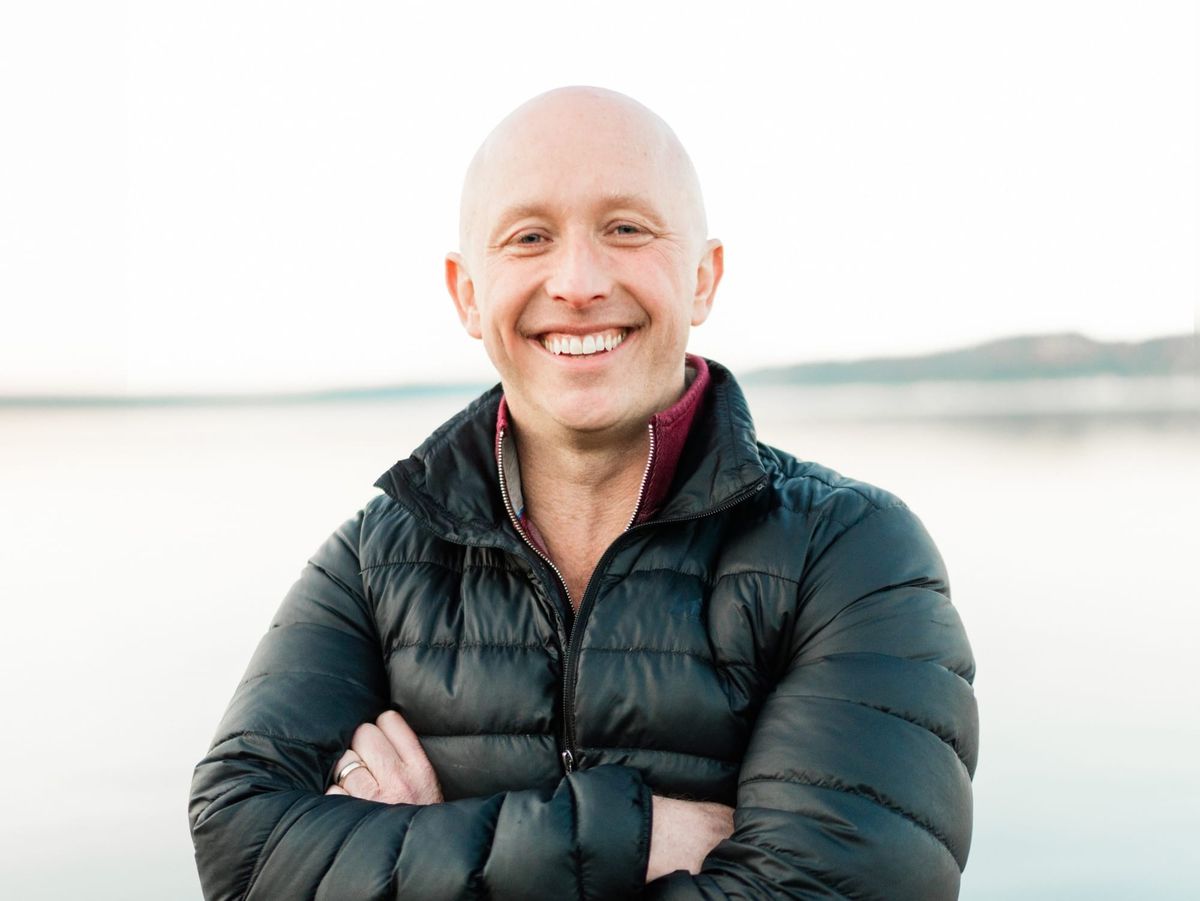
Ron Davis, a Seattle community organizer and former city council candidate, is running for the Washington State House of Representatives seat in the 46th Legislative District. In a race featuring all Democrats, Davis is challenging 15-year incumbent Representative Gerry Pollet in a three-way primary that also includes candidate Will Dreher.
Washington's House of Representatives is one of two chambers in the state Legislature, alongside the Senate. House members serve two-year terms and are responsible for drafting and passing state legislation, setting the state budget, and conducting oversight of the executive branch. Each of the state's legislative districts elects two House members and one senator. The 46th District covers northeast Seattle neighborhoods including Bitter Lake, Cedar Park, Green Lake, Haller Lake, Lake City, Laurelhurst, Licton Springs, Maple Leaf, Meadowbrook, Olympic Hills, Pinehurst, Ravenna, Sandpoint, the University District, View Ridge, and Wallingford.
What happens in Olympia shapes nearly every aspect of residents' daily lives, from how much they pay for housing, child care, and health care, to how their children's schools are funded, to whether transit is an option where they live.
Why Davis Is Running
Davis, who launched a political action committee backing now-Mayor Katie Wilson in the 2025 mayoral race and helped build the coalition that passed a major piece of housing legislation last session, says his experience working at both the city and state level convinced him that Olympia offers a bigger lever for change than City Hall, and that the district is overdue for new representation.
Davis traces his political drive to his own working-class upbringing. His parents were teenagers when he was born, and his family was able to build a stable middle-class life because housing was affordable and his father could earn solid overtime pay.
"That pathway is closed," Davis said. "Places like Seattle should be a place where anyone could start a family or launch a career and live close to the people they love."
He was also pointed about wanting to do more than restore past opportunity. "I don't want to be overly nostalgic about this," he said, noting that Seattle had historically excluded many residents. "I want to open it wider to people, to our trans refugees, to climate refugees, to people of color who were excluded in the past."
Why He Is Challenging Pollet
Davis acknowledges Pollet's positive record on nuclear cleanup, youth vaping legislation, and education funding for students with special needs, but argues that Pollet's long tenure as chair of the House Local Government Committee cost the region dearly on housing.
"Backyard cottage legislation, missing middle housing legislation would continuously go to die or shrink," Davis said. He pointed out that Pollet was eventually removed from that chairmanship, after which housing legislation began moving through the Legislature. "We lost a lot of years where interest rates were low and we could have tens of thousands more homes in the region."
Davis also criticized Pollet for co-sponsoring legislation to cut the motor vehicle excise tax that funded Sound Transit, a decision Davis said disproportionately benefited owners of luxury and newer vehicles. And he said Pollet signed on to scaling back the Legislature's universal child care ambitions, a position Davis strongly opposes.
Housing and Affordability
Housing sits at the center of Davis's platform, with a focus on immediate, concrete interventions in addition to longer-term structural changes.
He highlights that approximately 300,000 Washington families currently qualify for federal rental assistance but do not receive it because the program is not an entitlement. Davis called on the state to step in and cover that gap.
"It would be transformational for about 700,000 Washingtonians," he said. "It would stabilize our housing providers, the affordable housing providers who struggle with non-payment, and it would essentially end the pipeline into homelessness." He estimates the cost at $3 to $3.5 billion per year, calling it expensive but potentially decisive.
On transportation costs, another major household budget item, Davis proposes doubling the number of buses on the road and painting a thousand miles of bus-only lanes across the region. "If we take our busiest corridors and we simply add a few buses and we paint them red so that they're exclusively for buses, you can save a half million people in the Seattle region a whole bunch of time and make it much more viable for a whole bunch more people to opt out of using a car every day, which is one of the most expensive things we can do," he said.
Davis also supports universal free child care for working families, modeled on New Mexico's program, with a 7% income cap for higher earners. He cited New Mexico's results, including dramatic reductions in poverty among child care workers and major savings for families currently paying $2,000 to $4,000 or more per month.
He backs rent stabilization measures, expanded right-to-counsel for tenants facing eviction, and the state purchasing vacant hotels to create immediate homeless shelter.
Revenue and the Budget
Davis supports the Millionaire’s Tax and is critical of the deal struck that tied its passage to a cut to the estate tax. He would have opposed that trade.
Looking ahead to remaining budget shortfalls, Davis says his preferred tool is a corporate profits tax modeled on approaches used by New Jersey and California. "We'd raise $6 to $7 billion a year," he said. "We'd be dealing with a lot more than fixing a deficit. We could actually start making investments in providing housing assistance for the 300,000 people who qualify for it at the federal level but don't get it, and have universal child care."
He also backs expanding the existing capital gains tax on extreme windfall profits and passing the Well Washington Fund, a corporate payroll tax proposal introduced by Representative Shaun Scott. Davis emphasizes that Washington is simultaneously the 49th most regressive tax state in the country and ranked only 25th overall in tax burden. "We're rich and undertaxed," he said.
Education Funding
Davis offers a detailed critique of how the Legislature responded to the McCleary Supreme Court decision, which found that the state was failing its constitutional duty to fully fund public education. The legislative fix that followed centralized school funding and capped how much local districts could raise on their own, a structure Davis says was sound in principle but never fully implemented.
"The state never actually did fully fund centrally," he said. He notes that Seattle and other districts faced disproportionate costs because of higher concentrations of students with special needs and unhoused students. Districts across the state are considering closing schools or coming under state receivership. "For all the romantic and poetic talk about paramount duty, they're not doing it."
His solution is central state funding, paid for ideally with a corporate profits tax. He says that revenue source would come close to closing the roughly $1 to $1.5 billion annual gap in central education funding. In the absence of that funding, Davis says individual districts must be allowed to raise the additional money needed to meet their required funding levels.
Climate and the Climate Commitment Act
Davis stresses his strong support for the Climate Commitment Act (CCA) and says he backed the successful campaign to defend it at the ballot box. He is sharply critical of the Legislature's decision to redirect approximately $400 million from CCA climate funds toward general budget purposes.
"It seems like a really obvious broken promise to the people of Washington," he said, noting that voters were explicitly told during the ballot campaign that money raised by the act would go toward climate investments.
He argues that more needs to be done beyond the CCA, pointing to guidance from the Intergovernmental Panel on Climate Change that building more infill housing, stopping sprawl, and expanding transit are the most impactful things state and local governments can do to reduce emissions in the near term. He also raised the question of taxing the carbon-intensive energy consumption of AI and data infrastructure flowing through the state.
AI Data Centers and Rate Payers
Davis comes down firmly in favor of requiring hyperscale data centers to pay their own way rather than passing costs onto residential rate payers, backing the policy approach of House Bill 2515 from last session, which failed to advance. "We don't need to subsidize that crap," he said.
He calls for a moratorium on new data center construction until a suite of requirements is in place, including project labor agreements, community benefit agreements, and grid upgrade protections. He notes that data centers consume not only large amounts of energy but also significant water resources.
On jobs, Davis says his concern is primarily with the building trades workers who construct these facilities, not the very small number of workers who operate them. He says the answer to that concern is redirecting the money currently subsidizing data centers toward grid upgrades, public transit construction, and other infrastructure that would employ the same workers. "We don't need to rely on dirty, subsidized big tech to be the source of those jobs," he said.
Public Safety
Davis describes his vision of public safety as holistic, going beyond crime reduction to include traffic safety, environmental health, and access to behavioral health care. "To be safe, we need to know that we can, inside our homes or outside our homes, live out a full, long, healthy life," he said.
He is skeptical of Governor Ferguson's decision to set aside $100 million for police recruitment and training, particularly given that many jurisdictions are struggling to fill existing positions. He argues those funds would be better invested in prevention and alternative response, including community violence intervention programs, behavioral health treatment, and non-officer crisis response teams like Seattle's CARE team.
He also opposes automated license plate readers, particularly in the current federal political climate, and supports banning facial recognition technology in law enforcement.
Federal Threats and Protecting Washington Residents
Davis believes that Washington should build financial and legal defenses and call the administration's bluff in response to federal threats to withhold because of policies on immigration, LGBTQ+ rights, or other areas. He does not believe Washington should capitulate to the federal administration's demands, even when funding is at stake.
"The only way to respond to bullies is with strength, and that's proven to be extremely effective with the Trump administration," he said.
He praises legislation introduced last session by Representative Shaun Scott to create buffer funds in anticipation of federal funding cuts, and a bill by Senator Manka Dhingra to sequester federal dollars if the federal government withholds funds from Washington. He believes the state should go further, including barring companies that cooperate with ICE from ever holding publicly funded contracts in Washington.
Davis opposes allowing state agencies to share any data with federal authorities, and calls on the Legislature to make more creative use of its legal and financial power to protect immigrants, trans residents, and other communities facing federal threats.
Democracy Reform and AI Governance
Davis raises two additional issues that he says deserve more attention than they were currently getting.
On democracy reform, he calls out the low turnout in Washington's odd-year local elections, where participation sometimes reaches only 30% to 40%. He backs ranked-choice voting and publicly financed elections, and points to the Montana Plan, which he says legal scholars believe could provide a viable path to limiting the influence of corporate money in elections.
"We love to talk about how much we love democracy here, but we have odd-year elections with a turnout of 30% and 40% for all of our local races, which means we do not have the consent of the governed, basically, for a lot of our local policy," he said.
On artificial intelligence, Davis calls for a broad suite of consumer protections, including requiring disclosure when people are communicating with chatbots, banning AI from making decisions about employment or health care access, protecting children from synthetic relationships, and guarding against deepfakes and AI-generated harassment. He also calls for mandatory labor bargaining before employers implement AI that displaces workers, a jobs guarantee for new graduates he said are being particularly hard hit, and extended unemployment benefits comparable to what was offered during the COVID pandemic.
He ties AI to his core concern about the concentration of wealth. "More and more money is moving away from people and toward owners of capital," he said, and he argued that taxing corporate profits and capital gains is the essential counterbalance to the wealth accumulation being driven by AI.
Endorsements and Donor Base
Davis does not accept corporate PAC donations and says the pattern of his endorsements and contributions reflects years of work alongside tenant advocates, housing developers, transit advocates, and labor organizations.
"I think you see both a mix of grassroots and institutions thinking it's probably time for a change," he said.
Voters in the 46th District will decide in the August 4th primary which two of the three candidates advance to the November general election.
About the Guest
Ron Davis
Ron Davis grew up in a working class family that managed to make it because housing was affordable and overtime pay was enough to eventually reach the middle class. That path has closed to working families, and is especially out of reach in Seattle.
Ron has worked in our community for years to make housing more affordable, save people money by making transit more accessible, frequent, and fast, and fund a stronger and more equitable public realm by taxing the rich and big corporations. He is on the board at Futurewise, led the press conference in front of Amazon when they tried to kill the millionaire payroll tax that funds social housing, and has built coalitions that have passed major housing bills in Olympia. He has been working on transit in Seattle for most of a decade - whether organizing with the Transit Riders Union, as a board member at Seattle Subway, or in service on the Sound Transit Citizen Oversight Panel. He was a cofounder of the independent expenditure campaign, "Katie Wilson for an Affordable Seattle," where he raised $300k of their $450k in the fight to help Katie Wilson win the mayoral race, and has raised tens of thousands for other progressive candidates and ballot measures in Seattle. Ron is a graduate of Harvard Law School, consults with early stage startups and an environmental/housing think tank, and lives near Roosevelt Station with his wife, a family doctor, and two boys, who are in Seattle Public Schools.
Resources
Podcast Transcript
[00:00:50] Crystal Fincher: This is Hacks & Wonks, where we talk politics and policy in Washington State and cover what's happening, why it's happening, and what you can do about it.
The Washington State House of Representatives is one of two chambers in the Washington State Legislature, alongside the Senate. Washington's House members serve two-year terms and are responsible for drafting and passing state legislation, setting the state budget, and conducting oversight of the executive branch. House members are elected by legislative district, with each district represented by two House members and one senator.
The 46th legislative district covers northeast Seattle neighborhoods, including Bitter Lake, Cedar Park, Green Lake, Haller Lake, Lake City, Laurelhurst, Licton Springs, Maple Leaf, Meadowbrook, Olympic Hills, Pinehurst, Ravenna, Sandpoint, University District, View Ridge, and Wallingford. Today, we're speaking with Ron Davis, a candidate for the 46th District legislative seat held by Representative Gerry Pollet, and is also being challenged by candidate Will Dreher. Welcome, Ron!
[00:02:07] Ron Davis: Thank you so much for having me. It's great to be back.
[00:02:10] Crystal Fincher: Thank you. So as you know, we start things off with a lightning round - just to give listeners the opportunity to know who you are and where you stand in short-form before we get to the long-form questions. So we're going to start these and just ask that you keep the replies to yes or no or short answer - and we'll get to the rest of the stuff later in the show.
So to start, do you own or rent your residence?
[00:02:37] Ron Davis: Own.
[00:02:39] Crystal Fincher: Are you a landlord?
[00:02:41] Ron Davis: No.
[00:02:42] Crystal Fincher: Have you ever been a member of a union?
[00:02:46] Ron Davis: No.
[00:02:47] Crystal Fincher: Have you ever walked on a picket line?
[00:02:50] Ron Davis: Many times.
[00:02:51] Crystal Fincher: Have you ever crossed a picket line?
[00:02:54] Ron Davis: Never.
[00:02:55] Crystal Fincher: Is your campaign staff unionized?
[00:02:58] Ron Davis: No.
[00:03:00] Crystal Fincher: If your staff wants to unionize, will you voluntarily recognize their efforts?
[00:03:05] Ron Davis: Of course, yes.
[00:03:07] Crystal Fincher: What party do you identify with politically?
[00:03:11] Ron Davis: Democrat.
[00:03:12] Crystal Fincher: Have you used the library system in the past month?
[00:03:17] Ron Davis: Yes.
[00:03:18] Crystal Fincher: Have you or someone in your household ever relied on public assistance?
[00:03:23] Ron Davis: Yes.
[00:03:24] Crystal Fincher: Have you ever been stopped or questioned by police in Seattle?
[00:03:29] Ron Davis: Not in Seattle.
[00:03:31] Crystal Fincher: Have you ever worked in retail or a job where you had to rely on tips?
[00:03:37] Ron Davis: Retail, yes. Not had to rely on tips in that job.
[00:03:42] Crystal Fincher: Have you ever owned a business?
[00:03:44] Ron Davis: Yes.
[00:03:46] Crystal Fincher: Have you managed a team of 10 or more people?
[00:03:49] Ron Davis: Yes.
[00:03:50] Crystal Fincher: 100 or more people?
[00:03:52] Ron Davis: No.
[00:03:54] Crystal Fincher: Have you ever reported someone's misconduct in your workplace?
[00:03:58] Ron Davis: Yes.
[00:03:59] Crystal Fincher: Have you ever fired someone?
[00:04:02] Ron Davis: Yes, a couple times.
[00:04:04] Crystal Fincher: Do you have a favorite sports team you actively follow?
[00:04:08] Ron Davis: Well, mostly the Eckstein Eagles and Bryant Hawks, which are my kids' teams. The Zesty Zebras, which I coach. But, you know, I do like to follow along with what the Seahawks are doing, but not as closely as some diehards.
[00:04:23] Crystal Fincher: Do you believe the state of Washington should reduce its overall number of employees to cut costs?
[00:04:29] Ron Davis: No.
[00:04:31] Crystal Fincher: Do you believe the state government relies too much on contractors?
[00:04:36] Ron Davis: Yes.
[00:04:37] Crystal Fincher: Are you open to privatizing some state services if it might be more efficient?
[00:04:43] Ron Davis: I don't think so - no.
[00:04:45] Crystal Fincher: Do you support the state issuing more bonds to fund large capital projects?
[00:04:50] Ron Davis: Yes.
[00:04:52] Crystal Fincher: Would you vote in support of requiring ICE agents to get court approval before entering schools and health care facilities?
[00:04:59] Ron Davis: Oh yeah, yes.
[00:05:02] Crystal Fincher: Would you support a statewide mandate requiring all employers to bargain with labor before implementing AI that could displace human workers?
[00:05:12] Ron Davis: Yes, public and private.
[00:05:15] Crystal Fincher: Do you support the Well Washington Fund introduced by Representative Shaun Scott?
[00:05:21] Ron Davis: Yes, I did loudly and proudly and still do.
[00:05:24] Crystal Fincher: Do you support banning surveillance pricing by corporations doing business in Washington state?
[00:05:30] Ron Davis: Yes, I support banning it.
[00:05:32] Crystal Fincher: Do you accept corporate PAC donations?
[00:05:35] Ron Davis: No.
[00:05:37] Crystal Fincher: In response to growing political fears of violence across the country, do you support the use of campaign funds for personal security?
[00:05:45] Ron Davis: Oof. Some candidates need it. Sure, yes.
[00:05:49] Crystal Fincher: Should corporations be prevented from buying more than 25 homes in our state?
[00:05:55] Ron Davis: Yeah.
[00:05:57] Crystal Fincher: What's your favorite park in the district?
[00:06:00] Ron Davis: Ravenna Park. I guess that's the short answer. I want to say more, but yeah. Ravenna or Green Lake is the second. Yeah.
[00:06:08] Crystal Fincher: We can keep it to the short answer.
[00:06:09] Ron Davis: Okay.
[00:06:10] Crystal Fincher: What's your favorite restaurant in the district?
[00:06:13] Ron Davis: Oh. Um. Let's say Taste of India for taste and Mioposto for atmosphere.
[00:06:23] Crystal Fincher: What's the last live performance you saw in the district?
[00:06:27] Ron Davis: Back to Eckstein, it was - well, was that the last one? It was either the Eckstein Orchestra or The Jungle Book at Magnuson Park. So, both kiddo things in the last like week and a half.
[00:06:41] Crystal Fincher: What's the last song you listened to?
[00:06:44] Ron Davis: Ooh. Gosh, I must have been on my run yesterday. It was a Broadway song of some sort. Something upbeat. I remember it was a bunch of Broadway stuff while running.
[00:06:58] Crystal Fincher: What's your favorite song?
[00:06:58] Ron Davis: I really like - I don't know if I have a favorite - but I love The Sound of Silence. I love the old version by Simon and Garfunkel, but the version done by Disturbed gives me goosebumps every time.
[00:07:12] Crystal Fincher: What's your favorite album?
[00:07:15] Ron Davis: American Idiot got me through the Bush administration. I'll go with that.
[00:07:19] Crystal Fincher: Favorite local artist?
[00:07:22] Ron Davis: See, I'm back to - Dane Davis at Eckstein. He's a cellist.
[00:07:29] Crystal Fincher: What's the most recent book you read?
[00:07:33] Ron Davis: Most recent? Okay, this is super nerdy stuff. It's a philosophy book about William James and Dewey and Peirce. So Pragmatism - boring, but I liked it.
[00:07:49] Crystal Fincher: What's your top book recommendation for listeners?
[00:07:52] Ron Davis: Oh, I don't know if I have a top top - but in the last year or two, my two favorites that I would love to, or one or two favorites I'd love to recommend, would be The North Woods or Ministry for the Future.
[00:08:08] Crystal Fincher: What's your favorite cafe or coffee house in the district?
[00:08:14] Ron Davis: Probably Seven Coffee Roasters, my neighborhood corner cafe.
[00:08:20] Crystal Fincher: Have you ever served on a jury?
[00:08:22] Ron Davis: Tried so hard, but they always voir dire me out.
[00:08:26] Crystal Fincher: I made it once. It was great. Have you ever been arrested?
[00:08:30] Ron Davis: No.
[00:08:32] Crystal Fincher: Have you taken transit in the past month?
[00:08:34] Ron Davis: Oh, yeah.
[00:08:36] Crystal Fincher: In the past week?
[00:08:37] Ron Davis: Yes.
[00:08:38] Crystal Fincher: Have you ridden a bike in the past month?
[00:08:41] Ron Davis: I think so - probably in a month. But not week.
[00:08:44] Crystal Fincher: In the past- Not week. Do you prefer dogs or cats?
[00:08:49] Ron Davis: Dogs.
[00:08:51] Crystal Fincher: What's your favorite season?
[00:08:53] Ron Davis: Ah - summer. Definitely.
[00:08:56] Crystal Fincher: Have you attended a No Kings or other public protest?
[00:09:02] Ron Davis: Oh, yes.
[00:09:04] Crystal Fincher: Do you believe a larger visible law enforcement presence is the most effective way to reduce crime?
[00:09:12] Ron Davis: No.
[00:09:13] Crystal Fincher: Do you believe the size of the State Patrol is too small, too large, or just right?
[00:09:22] Ron Davis: I don't think its current size is a problem, so let's say just right.
[00:09:26] Crystal Fincher: Do you support implementation and expansion of non-officer crisis response teams?
[00:09:32] Ron Davis: Loudly and proudly, yes.
[00:09:35] Crystal Fincher: Do you support the use of automated license plate readers in Seattle?
[00:09:41] Ron Davis: No, especially with the Trump stuff going on - no.
[00:09:44] Crystal Fincher: Should facial recognition in law enforcement be banned?
[00:09:49] Ron Davis: Yes.
[00:09:51] Crystal Fincher: Will you vote to significantly increase funding for public defender services?
[00:09:57] Ron Davis: Yes - proudly endorsed by the president of their union, in fact.
[00:10:02] Crystal Fincher: Should the state prioritize investment in restorative justice programs over traditional incarceration for nonviolent offenders?
[00:10:09] Ron Davis: Oh yes, absolutely - for the healing of our community.
[00:10:14] Crystal Fincher: Should the state fund and provide gender-affirming care?
[00:10:19] Ron Davis: Uh huh - yes.
[00:10:21] Crystal Fincher: Should the state explicitly provide protections for gender identity and public accommodations, including athletic facilities and sports programs?
[00:10:31] Ron Davis: Absolutely.
[00:10:33] Crystal Fincher: Should the state cooperate with or share any data with federal authorities?
[00:10:39] Ron Davis: I'm going to try really hard not to swear here and just say no.
[00:10:43] Crystal Fincher: Do you commit to maintain or increase funding for community violence intervention programs?
[00:10:50] Ron Davis: Huge fan. Yes, absolutely.
[00:10:53] Crystal Fincher: Do corporations pay their fair share of taxes?
[00:10:57] Ron Davis: God, no.
[00:10:59] Crystal Fincher: Do small businesses pay their fair share of taxes?
[00:11:02] Ron Davis: And then some. Yes.
[00:11:05] Crystal Fincher: Do you support stricter rent stabilization measures in the state?
[00:11:08] Ron Davis: Yes.
[00:11:10] Crystal Fincher: Do you support expanding the right-to-counsel legislation for tenants facing eviction?
[00:11:16] Ron Davis: Yes. And funding that counsel.
[00:11:19] Crystal Fincher: Do you support the state using funds to purchase vacant hotels for immediate homeless shelter?
[00:11:25] Ron Davis: Yes.
[00:11:27] Crystal Fincher: What's the most recent show you watched that you loved?
[00:11:33] Ron Davis: Like local, like live show or like just anything?
[00:11:36] Crystal Fincher: TV show.
[00:11:38] Ron Davis: Oh, um, okay. Let's see. What was the most recent show I watched? Well, I'll tell you what. I watched - it was on my TV. I watched American Underdog last night - the Kurt Warner story - which I guess is technically a movie, cried my eyes out. And if I'm thinking just regular TV.
[00:11:59] Crystal Fincher: That's good. That's good for short answer. We're good.
[00:12:02] Ron Davis: Okay, great.
[00:12:03] Crystal Fincher: What's your favorite Seattle sports moment?
[00:12:07] Ron Davis: Winning that first Super Bowl. I had my - sitting next to my dad, had one, I think he - day was one, and just, yeah. Sorry, short.
[00:12:15] Crystal Fincher: What's your favorite comfort food?
[00:12:18] Ron Davis: Oh, I have so many. Probably pho in the winter.
[00:12:23] Crystal Fincher: Are you an early bird or a night owl?
[00:12:25] Ron Davis: Night, all the way.
[00:12:28] Crystal Fincher: What's a hobby people wouldn't expect you have?
[00:12:31] Ron Davis: I have no idea people would expect, but I am classically trained on the piano.
[00:12:36] Crystal Fincher: Interesting.
[00:12:37] Ron Davis: And I like to play.
[00:12:39] Crystal Fincher: What's your favorite neighborhood in the district?
[00:12:42] Ron Davis: I think it's probably the U District, the northern part of the U District. I love that.
[00:12:48] Crystal Fincher: What's your favorite rainy day activity?
[00:12:51] Ron Davis: Ah, reading.
[00:12:52] Crystal Fincher: Mine too.
[00:12:54] Ron Davis: Yeah.
[00:12:54] Crystal Fincher: What's your favorite Sound Transit station name?
[00:12:58] Ron Davis: Name. Oh, see, I know everybody says Symphony, but it's such a good name. Let's say Roosevelt because I was so happy when it went in. Roosevelt. Also, I like Roosevelt.
[00:13:07] Crystal Fincher: Have you voted in every primary and general election in the past four years?
[00:13:13] Ron Davis: Geez, I think so, yeah.
[00:13:15] Crystal Fincher: Have you made any political endorsements that you regret?
[00:13:20] Ron Davis: None that I can think of, no.
[00:13:22] Crystal Fincher: Have you made any political donations that you regret?
[00:13:26] Ron Davis: Same answer. None that I can think of, no.
[00:13:29] Crystal Fincher: Did you vote for Bruce Harrell or Katie Wilson for Seattle Mayor?
[00:13:34] Ron Davis: I want to give the long answer, just because of the PAC I started - but Katie Wilson, definitely.
[00:13:39] Crystal Fincher: Did you vote for Sara Nelson or Dionne Foster for City Council?
[00:13:44] Ron Davis: Dionne Foster.
[00:13:47] Crystal Fincher: Did you vote for Maritza Rivera or yourself?
[00:13:51] Ron Davis: Or myself?
[00:13:51] Crystal Fincher: For City Council?
[00:13:52] Ron Davis: I did vote for myself. It was a close call. Yeah, yeah.
[00:13:56] Crystal Fincher: Close call, I'm sure.
[00:13:57] Ron Davis: I voted for myself.
[00:13:58] Crystal Fincher: Did you vote for Ann Davison or Erika Evans for Seattle City Attorney?
[00:14:02] Ron Davis: Erika Evans.
[00:14:04] Crystal Fincher: Did you vote for Girmay Zahilay or Claudia Balducci for King County Executive?
[00:14:09] Ron Davis: Loved them both, but voted for Girmay.
[00:14:12] Crystal Fincher: Did you vote for Seattle's social housing initiative 1A that passed?
[00:14:17] Ron Davis: Yes, both 1A and then the prior that created the entity.
[00:14:23] Crystal Fincher: Have you made any endorsements in the 37th district races this year?
[00:14:30] Ron Davis: No, but I like Jaelynn.
[00:14:32] Crystal Fincher: Did you vote for the reauthorization of Seattle's Democracy Voucher program?
[00:14:37] Ron Davis: I did.
[00:14:38] Crystal Fincher: Well, and that concludes our lightning round. Hopefully that wasn't too painful.
[00:14:43] Ron Davis: No, no, no. Nothing felt too hard. They're all easy answers. That's good. Just have to keep myself from yapping.
[00:14:51] Crystal Fincher: Well, so as we start these general questions - first thing I'm wondering is why you're running and what will your top priorities be if you're elected?
[00:15:00] Ron Davis: Yeah. So, thank you for asking. I'm running for a lot of the reasons I've gotten so invested in doing the work in politics for the last bunch of years. I come from a working class family. My parents were teenagers when they found out I was on the way. And I happened to live at a time and in a place where housing was affordable. And my dad's job - my parents both worked - and my dad's job in particular allowed him to work overtime for good overtime pay. And he worked his butt off. And by the time I was a teenager, we had found our way into the middle class. Then that became a stable platform for my sister and I to build thriving lives and we both have kids and wonderful families. And that pathway is closed. And to me - places like Seattle should be a place where anyone could start a family or, you know, raise a - sorry, start a family or launch a career or, you know, and live close to the people they love. I don't want to be overly nostalgic about this. This has not always been a place that was hostile to many people that don't look like me, or pray like me, or identify like me. So I also want to do more than restore the path to opportunity that people should have, but I want to open it wider to people - you know, to our trans refugees, to climate refugees, to people of color who were excluded in the past.
Why me? Why now for this role? You know, I've been doing work at the city level and at the state level over the past bunch of years. And in seeing those sort of back and forth and the vagaries of what's happening at the city level and feeling those as a former candidate, as someone who did start the PAC for Katie Wilson - I really do believe that there is a huge opportunity to move things forward more quickly at the state. And after having passed - put together, sorry - I should say put together a large coalition of organizations that passed a major piece of housing legislation last year, I really saw firsthand how much a bigger impact we could have there. And I've been represented by someone who I thought - maybe there needed to be a change for a long time. And so here I am.
[00:17:00] Crystal Fincher: Well, here you are in this pretty competitive race where there's going to be a primary - you're challenging an incumbent who's been there for several years. There is also another Democrat in the race. All three of you, including the incumbent, identify as Democrats. So why are you challenging Gerry Pollet, the incumbent in this race, and how do you differ from the other candidates?
[00:17:25] Ron Davis: Yeah. So let's start with Gerry. So first I want to say a couple of good things about Gerry, because Gerry's been there 15 years - I don't know if that's a good thing, I think we should see more turnover generally. But, you know, Gerry has been good about things like nuclear cleanup, you know, youth vaping legislation, and he has fought to expand funding for education, particularly education for students with special needs. And I greatly respect him for doing those things. And he has had more trouble in some other areas, let's just say. So he - he was the chair of the Local Gov Committee for a number of years where housing legislation continuously went to die - backyard cottage legislation, missing middle housing legislation - or shrink. Eventually, he was relieved of that position and housing legislation started moving. But unfortunately, we lost a lot of years where interest rates were low and we could have tens of thousands more homes in the region. And those are more affordable home types. And of course, all those families would not be competing with other families for, say, the apartments that are available. In addition, he was a co-sponsor of the bill to cut the only progressive funding source for Sound Transit, which was the motor vehicle excise tax. I think that disproportionately not only benefited car owners - which I am a car owner, we're a one-car family - but owners of luxury cars and newer cars, and I did not appreciate that.
To me, this is a region that needs to celebrate and welcome people and needs to be thinking aggressively about how we relieve ourselves of this terrible housing shortage, of how we make it a place where people can get around without a car as easily as they do with - because those are the top line items that are blocking people's lives right now, right? The top two things in people's budgets are their housing and their transportation, unless they run into a healthcare emergency. And so to me, that's a huge reason to see some change. In addition, I would just add - this is less Gerry-specific - but sort of my other big plank, in addition to wanting to make housing affordable, wanting to make it so that people can have a life that's as easy without a car as it is with, is free child care. And our Legislature has tried to take some steps there, but they've scaled them back. You know, Gerry signed on to scaling those back. I'm not a fan of that. I think we desperately need that to change because for Seattle to have a long-term sustainable future, it does need to be welcoming to families. And by Seattle, I do mean the entire region.
[00:19:52] Crystal Fincher: Now, last session saw the Millionaire's Tax pass, but it arrived alongside a projected budget shortfall for the next few years. What specific revenue tools or cuts will you make to address those remaining budget challenges?
[00:20:09] Ron Davis: Yeah. So the first thing is that particular legislation ended up - there was a deal to cut the estate tax, and I would have opposed that. I did oppose that vehemently. Well, the tools I would use going forward - there's a number we can do. I think the easiest ones involve either expanding existing revenue sources like the tax on extreme windfall capital gains or passing the Well Washington Fund that you mentioned earlier, the payroll tax. I'd be particularly inclined, though - the thing that excites me the most, if I could just pick anything - it would be a corporate profits tax, which is very hard to avoid. And if we did it, like, say, New Jersey or California does, we'd raise $6 to $7 billion a year. So we'd be dealing with a lot more than fixing a deficit. We could actually start making investments in, say, providing housing assistance for the 300,000 people who qualify for it at the federal level, but don't get it, and have universal child care.
[00:21:07] Crystal Fincher: How do you define public safety? And what will you do to make the 46th more safe?
[00:21:13] Ron Davis: How do I define it? I think to be safe, we need to know that we can - inside our homes or outside our homes - live out a full, long, healthy life. So that includes everything from not running into crime or having to live in fear of it. It also means not getting run over in the road by cars that are flying down arterials, busy streets. It means not breathing constant fumes that cause people in certain zip codes or areas of our city to live, you know, 10 years less than people in other areas. So to me, I think of safety as holistic. I think we certainly need to be paying attention to crime in all of its forms. But I think there's plenty of ways in which people are made unsafe by our either lack of investment or bad planning. I think the other piece is a person is not safe if their community does not take care of them when they have a health care need or behavioral health need that is crushing to them. And I think, you know, we do some taking care of people, but we do not do enough.
[00:22:13] Crystal Fincher: Now, Governor Ferguson set aside $100 million for police recruitment and training. Many cities are actually struggling to hire those positions. Do you agree with setting that $100 million aside or do you think there's a better use in the public safety realm for that money?
[00:22:30] Ron Davis: I mean, I think the fact that it's not being taken up presents an opportunity to be investing in prevention and alternate response - whether that's community violence intervention, whether it is behavioral health treatment - both of which we are underinvested in. Or it is things like our CARE team in Seattle that provide alternate responses. I mean, we're going to have to do some legal work to make it so folks like that can actually - are allowed to response. But I do think that would be a better use of funds when we're not able to put it to use currently.
[00:23:05] Crystal Fincher: Now, we've seen a federal government who has priorities that are much different than ours in Washington state and who has used the threat of revoking funding to get states and local governments to adhere to their own policy agendas. So things like protecting immigrants and refugees, protecting undocumented immigrants, protecting LGBTQ+ community members, specifically trans members of our community - have been talked about as things that might jeopardize federal funding in a variety of areas. How should you and our State Legislature respond to those threats of funding? And do you think it should change our approach to policy at all?
[00:23:54] Ron Davis: I think those threats to funding are real and we need to take them seriously and we absolutely should not abandon our trans neighbors and immigrants because we're facing down a bully. In general, the only way to respond to bullies is with strength and that's proven to be extremely effective with the Trump administration. As a specific example of things we could do to respond, whether it - there were a couple of bills this year I really liked. From Shaun Scott's Well Washington fund that was meant to provide essentially buffer funds - kinda sort of in ready position for whatever comes our way, as well as specific funds for specific programming. To Manka Dhingra's bill to sequester funds if the federal government sequesters funds from us - to sequester federal funds - and with some really unique legal mechanisms that we don't have to describe here. But anyway, I think that kind of creative work is important. And I actually think, you know, we can call their bluff and say - You know what, anybody who works for ICE can't work for any publicly funded job ever here. Things like that. So I think we had a lot of room. We have a lot of room to protect our citizens. And I think it's also worth knowing that we are one of the richest states in the union, and we are also heavily undertaxed. Not only are we, as is often discussed, the 49th most regressive, which means we do highly tax working people, but generally our rich and corporations are very much undertaxed. But we're also just the 25th most taxed overall. We're just not even a high-tax state. We're rich and undertaxed. And so if somebody threatens us and says - I'm going to take away your money for the 15 minutes that I'm gonna stay president. I think we need to not be - we need to take the fact that seriously - we need to prepare and we need to have the money for it. But we can't abandon our neighbors.
[00:25:35] Crystal Fincher: You mentioned earlier how expensive so many things are for so many people and families in Seattle and beyond right now. People are feeling pain at the pump. Housing costs have skyrocketed. Insurance costs have gone up for a lot of people. Education costs, child care - kind of from soup to nuts, people are feeling stretched if they're lower or middle income families. What can you do as a legislator to take the pressure off and make life more affordable?
[00:26:07] Ron Davis: Yeah, I think there's fast things and there's slow things, right? So the fast things that we can do right now - when I look at, say, housing, right - most of the cool big plans, deep plans, the stuff I've been working on for years, take a while, right? Even funding social housing. We've now just finally bought this housing developer and that will help hundreds of families. But to really go big and make a difference for people now - I mentioned this quickly earlier, but one of the key components of my platform is there are 300,000 families right now who qualify for federal assistance for paying their rent and do not get it because it's not an entitlement. And if we stepped in and paid that, it'd be $3-3.5 billion a year. It would be expensive, but it would be transformational for about 700,000 Washingtonians. It would stabilize our housing providers - the affordable housing providers who struggle with non-payment - and it would essentially end the pipeline into homelessness. Now, that doesn't get everybody, but 700,000 people is great. I think universal, the childcare - free childcare for working families with a 7% cap for higher earners along the lines of New Mexico - also fast and transformational. They're seeing huge drops in poverty among childcare workers, like 80% drops. But also just in general - better workforce participation, and really, really this incredible savings for families because so many families are paying $2,000, $3,000, $4,000 a month, depending on if they have multiple kids in childcare and sometimes more. The last thing that's sort of fast that I think we could do is in my transportation plan, which is to double the number of buses on the road. We probably couldn't get to double super fast - let's say add to the number of buses on the road and paint a thousand miles of red paint around the region, right? Paint bus lanes. If we take our busiest corridors and we simply add a few buses and we paint them red so that they're exclusively for buses, you can save a half million people in the Seattle region a whole bunch of time and make it much more viable for a whole bunch more people to opt out of using a car every day, which is one of the most expensive things we can do. The other stuff takes longer. Bringing down the cost of housing in general takes longer. I don't want that to be true, but I will fight every day for it.
[00:28:19] Crystal Fincher: Now, the state passed the Climate Commitment Act a few years back. And it's been facing some scrutiny because we are not on pace to meet our 2030 and 2040 emissions reductions targets. Some people say that's because it's just the wrong policy overall. Some people say that's a symptom of not spending in the right areas, not having the right priorities for expenditures. Others say it just needs more time. What do you think needs to be done with the Climate Commitment Act to achieve our emissions reductions targets?
[00:28:56] Ron Davis: I think the Climate Commitment Act was a wonderful piece of legislation. I supported it. I supported defending it. I also don't think it's the entire solution. So first, the fact that like $400 million was swiped out of its funding this year for other general budget purposes would be always angering and irritating, but it is especially insulting to voters given the fact that we had a ballot - on last year - where we answered the question, do you want to keep this thing? Or maybe it was, do you want to get rid of it? I don't remember the framing, but yeah, because I was in No campaign. But in the ballot statement, it said - and it raises this much and that money goes to climate funds. And so the fact that our Legislature turned around and took away some of that money for climate funds seems like a really obvious broken promise to the people of Washington. So I don't like the money not going to climate funds. I don't like what feels like dishonesty. So I do think those funds need to be reinvested. Do I think there's other things we need to do, though? Yes. I mean, the Intergovernmental Panel on Climate Change says the most important thing state and local governments can do in the short and medium term to reduce emissions is to build more infill housing, stop sprawling, and get people onto transit, right? We're doing some of that, but have we been doing enough of it? No, as I mentioned, right? There are other things I think we could do. I'd love to see the CCA - and this is me spitballing, I don't have a really, like a sophisticated understanding of exactly how to do this - but I'd love this. First of all, I'd love to see the screws tightened a little bit on the CCA. But I'm thinking about the fact that we have reams of AI data pouring into this state, say from other states - like if it's in a state that allows coal to be burned, and that is energy supporting a data center in another state, like, we're not taxing that data, right? I mean, I'm not sure where we've even begun to start grabbing all the levers that we have to start to make sure that energy consumption is clean and not excessive, right?
[00:31:01] Crystal Fincher: Well, I do want to talk about energy consumption, specifically when it comes to hyperscale data centers. And so last session, there was House Bill 2515, which was trying to protect rate payers from the impacts of massive energy demands from AI data centers, that would have essentially made the owners, operators of those data centers pay for the impacts that their energy use creates. As a matter of policy, do you think that emerging large energy users like AI data centers should be required to pay a premium to protect residential rate payers? Or do you think that kind of regulation would drive valuable jobs outside of the state?
[00:31:48] Ron Davis: So I'll take the questions in order. I do support regulations like the ones that were proposed and failed to make any major consumer of data - or sorry, of energy - but particularly these data centers pay their own way. We don't need to subsidize that crap. And I think it's more than - I mean, I support a moratorium. I think it's more though than just energy prices, right? It's water consumption, it's other environmental issues. So I think everything from project labor agreements to community benefit agreements that ensure and protect rate payers, upgrade the grid - there's a lot that needs to be in place before we're building more of these. In terms of jobs, I think the only slice of jobs that I'm concerned about here are the jobs of the people who build the data centers, right? There's very few people that operate them. They sit there basically empty and full of computers most of the time. And most of that's supporting whoever builds NVIDIA chips somewhere else. But I do think our building trades are really heavily involved in building data centers. And so I do want to see us not be cavalier about those folks. So as we say no to data centers, we need to be saying yes to not swiping $400 million from the CCA, but investing it in grid upgrades - putting those same people to work. Or also, we obviously have a huge problem with Sound Transit being installed and with funding. And this is, again - there's a huge opportunity for public investment to address the kinds of job concerns we do have about this. And we don't need to rely on dirty, subsidized big tech to be the source of those jobs.
[00:33:34] Crystal Fincher: What can we do to fully fund education?
[00:33:39] Ron Davis: Oh, well, so I think there's kind of two pieces to this. So as you - I'm sure - know, but, and probably most of your listeners, you know, the wonks. Long ago, we had a decision by the Supreme Court that said - Hey, you're not funding it enough, called McCleary, and to get out from under the sanctions associated with that decision, the Legislature, including, I think, my opponent, who is a longtime member of the House Education Committee, came up with this fix. And this fix started with a great principle, which was - You know what? It's so uneven between districts. You know, geographic funding of schools is inequitable. It's a huge problem. And the US is one of the only places that does it the way we do. It's awful, especially given our segregation pattern, pattern of segregation. So let's say no to that. Let's have more central funding and then cap what local districts can do on their own. So rich districts aren't running way ahead of poorer districts or districts that are not able to fund. Great in principle. Problem was that the state never actually did fully fund centrally. And that the caps did not account for the fact that some districts, like Seattle, have disproportionate numbers of students who do have special needs because we have more services here. Or also, we have more unhoused students here who have an extra sped of needs that we absolutely need to be meeting. So my number one answer is this money should come centrally from the state. I mentioned earlier the corporate profits tax. We're, you know, like a billion, billion and a half short a year from central funding for the state - that would get us, pretty much meet the need, last time I checked the funding numbers. So I think we need that centralized state funding. In its absence, I do think districts need to be able to top up what is needed to reach just their required funding levels. And this isn't just a Seattle problem, right? Vancouver, Bellevue, Sedro-Wooley, Seattle - there are districts all over this state that are in jeopardy, that are considering closing schools, that are coming under state receivership. I mean, it is a mess. And for all the romantic and poetic talk about paramount duty, they're not doing it, you know? And so does that answer your question?
[00:35:57] Crystal Fincher: That does.
[00:35:57] Ron Davis: Central funding - preferably corporate tax, if not local allowance. Yeah.
[00:36:03] Crystal Fincher: What should be on our radar that we haven't discussed?
[00:36:11] Ron Davis: I think - see, we talked about Trump administration stuff. I think a couple of things - two items. One is democracy related. So I started to touch on some of what we could do to protect us from funding cuts, I would say, from other sort of civil rights violations, human rights violations. There's a lot more to do there with, say, punishing companies that are cooperating with or supporting ICE in the state. And not just like the ones who are like providing the private prisons, but, you know, providing data center services to them. I think there's real opportunity there. But I think in parallel with that, we do need to be doing some democracy reform work. We love to talk about how much we love democracy here, but we have odd-year elections with a turnout of 30% and 40% for all of our local races, which means we do not have the consent of the governed, basically, for a lot of our local policy. We don't do things like ranked choice voting or anything else that's shown to, you know, better match voter preferences. There's a lot of work to be done there. There's a few people in the Legislature who are for that, but it always seems to go nowhere because the status quo benefits the people who are in power. So that kind of work, I think, is really important. Publicly funding elections - related to that - is important. There's something called the Montana Plan that I think could be the next way to sort of kill Citizens United and has really, really strong backing from a bunch of law professors who think it's a really viable path. And that could get corporate money out of elections, which would be transformative. So really working on democracy and putting our money where our mouth is.
And then the other is AI. You mentioned - we've kind of danced around it - data centers, bargaining. But really thinking about everything from consumer protections, child protections, you know. And that's everything from like a chatbot - you should know when you're talking to a chatbot. You know, AI shouldn't decide who you're - whether you're hired or fired, or you can have health care. You know, children shouldn't have access to relationships that are synthetic. We need to protect people from deepfakes and AI porn, revenge porn. To like worker protection - some of which we started to get at - forced bargaining. I think actually, this also requires a - probably something like a jobs guarantee, especially for new grads who are really getting screwed by the new economy. And in addition to extended unemployment benefits with higher benefits, like we did during COVID, it's going to be a job shock. And then the environmental protections we discussed around data centers and a moratorium. And then sort of last but not least, we can't control whether the demon gets summoned somewhere by AI, right? Like if there's a bioweapon and it's created in, you know, North Dakota or Nigeria, like we can't stop that. But what we can do is - this is going to concentrate a lot of wealth in the hands of very few people. And they're not generally very good people. But even if they were, nobody should have that kind of wealth. And so this again comes back to my need for like taxation. You know, how do we tax robots more than jobs? How do we definitely tax corporations and capital? Because more and more money is moving away from people and toward owners of capital.
[00:39:25] Crystal Fincher: As we close this conversation today, there's been a lot of talk - particularly in your race - about endorsements and donations. What do you think your endorsements and donations say about your campaign?
[00:39:38] Ron Davis: Yeah, I think if you look at the - let's say, let's start with the organizations endorsing me. You see that the groups of grassroots folks who have been leading the charge around renters' rights and minimum wage and social housing and building both market rate and subsidized housing, are all with me because I've been working alongside them for a long time. And I think that's what you see both there and with folks all over the state, who are in mostly city governments, that have endorsed me. As well as the people leading our - you know, the Downtown Emergency Services Center or the social housing movement or Patience Malaba of the Affordable Housing Development Consortium, Housing Development Consortium, but they are the affordable developers. I think basically you see a bunch of people who've worked shoulder to shoulder with me - I think is the biggest thing. You see in the donation pattern, the same thing. People in this community know me, they know my work. They know I've been out there bleeding and fighting my butt off, particularly for housing and transit and taxing the rich. And then I would say - also just to add in institutionally - the fact that I have a couple of unions, the fact that the Democratic Party. That basically Gerry and I, you know, ended up with a tie and there was no endorsement from the party for a sitting incumbent, a long-time sitting incumbent - I think suggests that there's serious cracks in institutional support as well. You know, you don't - I came into this race, even though I am well known - you know, this guy's been in office for 15 years. He was prominent in our LD for the - I don't know - like 20 previous. My expectations for institutional endorsements weren't high. I just knew I was going to do my best. So I think you see both a mix of grassroots and institutions thinking it's probably time for a change.
[00:41:23] Crystal Fincher: Well, thank you so much for joining us today, for taking the time to talk about who you are and what you stand for, and give the listeners a better idea of what's going on in this race and where you stand. So thank you so much for joining us today, Ron.
[00:41:37] Ron Davis: Thank you.
[00:41:39] Crystal Fincher: Thank you for listening to Hacks & Wonks, which is produced by Shannon Cheng. You can follow Hacks & Wonks on Bluesky at @HacksAndWonks. You can find me on Bluesky at @finchfrii, that's F-I-N-C-H-F-R-I-I. You can catch Hacks & Wonks on every podcast service and app - just type "Hacks and Wonks" into the search bar. Be sure to subscribe to get the full versions of our Friday week-in-review shows and our Tuesday topical show delivered to your podcast feed. If you like us, leave a review wherever you listen. You can also get a full transcript of this episode and links to the resources referenced in the show at OfficialHacksAndWonks.com.
Thanks for tuning in - talk to you next time.