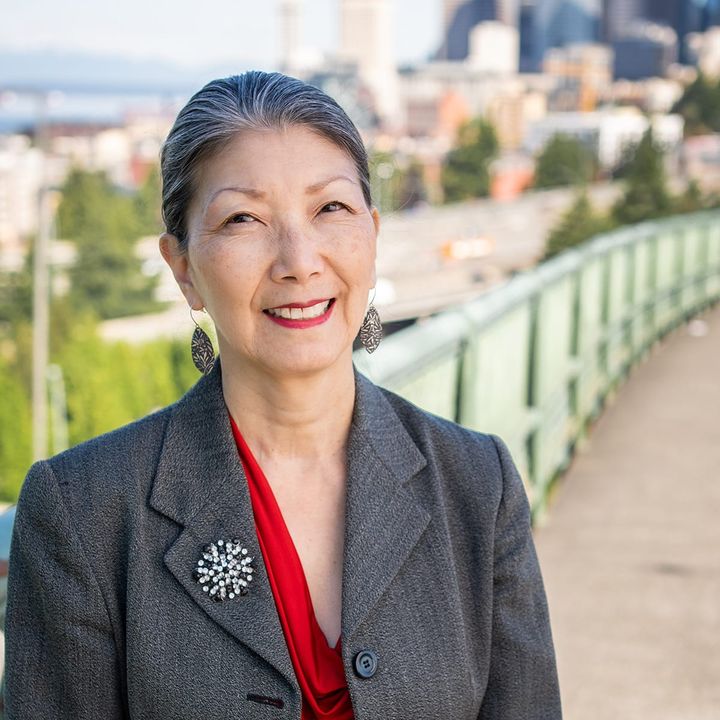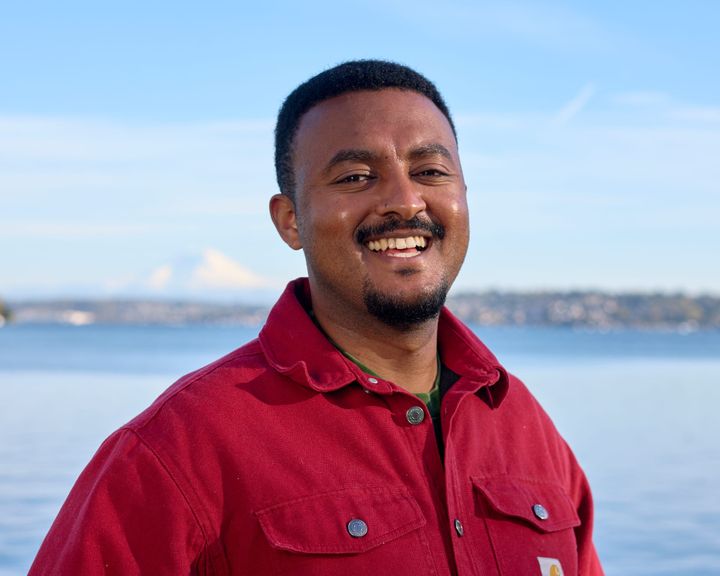

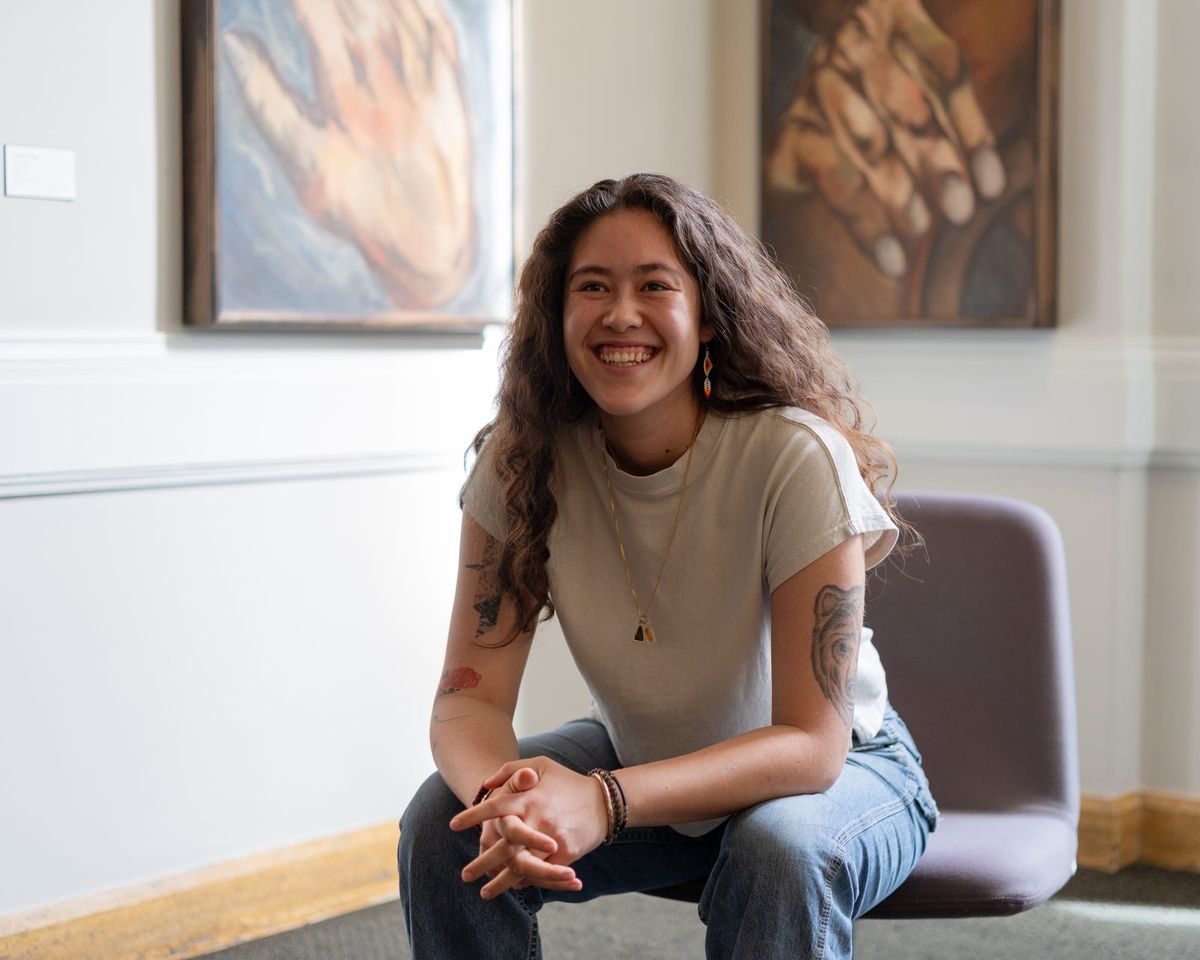
Tatiana Brown Makes Case for Open Senate Seat in the 37th District
Tatiana Brown is running for the open 37th District State Senate seat on a platform of progressive tax reform, environmental justice, expanded public safety alternatives, and community-driven governance.
What a State Senator Does and Why It Matters
Washington's 49 state senators serve four-year terms and hold power that touches nearly every aspect of daily life. They draft legislation covering education, housing, health care, criminal justice, environmental policy, and labor rights, and craft the multi-billion dollar operating budget that determines funding for schools, mental health centers, affordable housing, and services for people with disabilities. They also set tax policy, write the rules governing landlords, employers, and law enforcement, and fund construction and transit infrastructure across the state. When a family can't afford child care, when a student with a disability isn't getting support, or when someone sits in jail because they can't afford a lawyer, those are often the downstream consequences of decisions made in Olympia.
Why Brown Is Running
Tatiana Brown is building her campaign around a platform of well-being, education, environment, and economy, drawing on her background in economic policy research and environmental justice work, including her current role as co-chair of the state's Environmental Justice Council.
Brown frames her candidacy as both a continuation of the district's progressive legacy and a demonstration that community-centered organizing can be a viable path to elected office. Three of her four campaign co-chairs and directors came out of the community assemblies she has been running for the past several years.
"I'm running to really bring community voices into the centerfold of how we decide, recognizing that most communities aren't integrated into that," Brown said.
She also points to the strategic value of the Senate seat itself. Its four-year term provides a longer runway for policy change, and the chamber's Ways and Means Committee writes the state budget.
"The Senate, you know — it has the Ways & Means Committee that writes the budget for the state. And it's a four-year term, which means we have a longer runway to try to get some of these larger policies through," she said.
Tax Reform: Going Beyond the Millionaire's Tax
The 2026 legislative session passed a Millionaire's Tax, widely viewed as a significant step toward addressing Washington's regressive tax structure. Brown calls it a win but argues it is only a starting point. Her academic background is in wealth inequality, and she wants to expand the state's revenue toolkit to focus on wealth more broadly, not just income.
"Washington state is always going to fundamentally struggle because we have a regressive tax structure. And that means that the people who are working families are going to proportionally pay the most of their income," she said.
Brown says she will pursue a wealth tax, look at closing loopholes, examine the capital gains tax, and explore inheritance taxes, where generational wealth tends to concentrate. She also wants to shift the tax burden away from excise taxes, which she argues disproportionately affect working families who spend more of their paychecks on everyday purchases.
"Income is just a small part of that. Wealth is holistically what we need to be looking at, especially in a city like Seattle where 1 in 14 people are millionaires. And then you look at the average income for the 37th district, and it's going to be a lot lower than that," Brown said.
Her approach would also scrutinize Emissions-Intensive, Trade-Exposed industries that currently receive free carbon allowances under the state's cap-and-trade system, a subsidy she believes warrants reexamination.
Public Safety: A Holistic Definition
Brown defines public safety broadly, encompassing not just crime but traffic danger, environmental hazards, and access to mental health resources. She points to the fact that the 37th District contains three of the most dangerous intersections in Seattle, and notes that pedestrian safety for elderly residents is itself a public safety issue.
"Public safety has to come from this holistic space. If you're asking about what it would look like if we had public safety, I think it would look like reduced stress for people internally that they can just kind of walk outside and know that collectively they'll be safe," she said.
On law enforcement specifically, Brown opposes Governor Ferguson's $100 million allocation for police recruitment and training as the primary path to public safety in communities like the 37th. She compares the approach to Seattle's $30,000 signing bonuses in 2021 and 2022, which she says had limited results. She argues that money should instead go toward interventions she sees as more effective.
She supports expanding community-based crisis response teams staffed by people trained to de-escalate mental health emergencies and connect people to services, and would vote to increase funding for public defender services, which she describes as facing a constitutional crisis. She also supports investing in restorative justice programs over traditional incarceration for nonviolent offenses.
"We really should be asking the questions of what are the tools ahead of us that we know are effective? How can we fund those more? And if money has been allocated or set aside to be working on recruitment and we haven't been able to recruit — instead of thinking about how do we greater incentivize that, think of what else can that money go to, to things that we know are actually effective," she said.
Brown also opposes automated license plate readers and supports banning facial recognition technology. She does not believe a larger visible law enforcement presence is the most effective way to reduce crime.
Environmental Justice and Health Disparities
In some parts of King County, life expectancy is up to a decade shorter than in other areas of the city, driven largely by pollution, proximity to highways, and historic disinvestment. Brown says addressing that disparity is at the core of her campaign.
She points to lead exposure in homes and water, heat-related illness, wildfire smoke, and proximity to Superfund sites as interconnected threats. She notes that during summer smoke events, people without air conditioning, the majority of residents in the district, are forced to choose between heat and inhaling smoke. She wants to expand tree canopy to reduce urban heat, build out cooling centers, and ensure that community spaces like libraries and community centers remain accessible during smoke events.
"Protection from environmental harms is fundamental to public safety. When we're looking at lifespan, it's going to be in adults, but also for a lot of kids. Children's bodies process toxins differently. It's a lot more potent," she said.
Brown currently serves as co-chair of the state's Environmental Justice Council, where she has been involved in implementing both the Climate Commitment Act and the HEAL Act. She says her approach as a legislator will be to build on existing work, identify what needs more capacity, and take up questions that still lack good answers.
The Climate Commitment Act: On Track, But Needing Reform
The Climate Commitment Act is Washington's cap-and-trade system, requiring polluting companies to purchase carbon credits at auction. It has generated approximately $1.5 billion annually over the past five years, with 35% required to flow to overburdened and frontline communities. Critics have raised questions about whether the funds are being used to reduce greenhouse gas emissions or to fill budget gaps.
Brown, drawing on her work on the Environmental Justice Council, says the program is not being misused as a general fund subsidy, but acknowledges that the political climate in the Legislature concerns her about the direction the program could take. She argues that both the CCA and the complementary HEAL Act, the first law of its kind in the country requiring agencies to assess the environmental justice impact of significant actions, need more time to show transformative results, given that both passed in 2021.
"I don't think it's being used to patch holes, and it's not being used as a general fund subsidy. But I will say that I think the political climate we're in right now, people's general understanding of what the CCA is supposed to do within the Legislature — it concerns me," she said.
On the question of where reforms are needed, Brown focuses on the approximately 30 industries in Washington that receive free carbon allowances from the state each year rather than purchasing them at auction. She believes that subsidy deserves scrutiny, and that the state needs to hold these industries more accountable for their actual pollution costs.
Federal Funding Threats and State Independence
The Trump administration's practice of conditioning existing and future federal funding on compliance with its policy priorities poses a direct threat to Washington state, which has enacted numerous laws the administration opposes. Brown argues the state should respond not by moderating its positions to protect funding, but by building greater financial self-sufficiency so it is less dependent on federal dollars.
"At the end of the day, we know what is right and we know what is wrong, and that's immovable. What is right is going to be fighting for the people that live in our state," Brown said.
She points to the weakening of the National Environmental Policy Act as an example of where federal retreat is already causing harm. Washington's state environmental review law, SEPA, was built as a complement to the federal law. With that federal backbone weakened, Brown says the state must now decide how to act independently and fill those gaps rather than adjusting its standards to what the federal government will reward. She notes that the absence of cultural resource management protections has already accelerated data center development in the Columbia River Gorge.
AI Data Centers: Scrutiny Before Approval
Washington has seen growing pressure from technology companies to site hyperscale AI data centers in the state, with arguments that economic benefits and job creation justify the energy demands they place on the grid. Brown is skeptical of those arguments and believes the state should be asking harder questions before approving more projects.
She supports legislation requiring data center owners to pay for the extra costs they impose on the energy grid and to protect residential ratepayers, but argues that does not go far enough. Her concern centers on how AI data centers require continuous 24-hour power, fundamentally different from the variable load patterns the grid was designed around, requiring supplemental energy sources like natural gas, nuclear, or fossil fuels.
"They're not just paying their share. They're asking for a much — I feel like it's like if you go to dinner and you invite someone and they order a ton of food and they're like, 'It's okay, I'm going to cover my items.' And then the tip and the tax is $500 more. That's what we're left with — that's the responsibility now of Washington state to deal with," she said.
Brown wants the state to exercise its political power to listen to residents who do not want these facilities and to scrutinize contracts that have not yet been finalized. She challenges the framing that data centers inevitably bring jobs, noting that short-term employment benefits may not outweigh the long-term environmental and health costs to workers and surrounding communities. She points to Oregon and Virginia as case studies in what communities look like after absorbing large concentrations of data centers.
"I think we need to question whether or not we actually need it. Data centers have just been kind of presented to us and it's been 'get with the program because it's going to happen with or without you.' We are in a position where we can use our political power to listen to what residents of Washington state are saying," she said.
Child Care Affordability
Brown supports a comprehensive package of state interventions to address child care affordability, including expanding after-school programs and examining zoning rules and home business regulations to enable more community-based providers to operate legally. She would provide tax credits to community members who provide informal child care, a practice she notes is already common in the 37th District.
Rather than relying on a single program, she frames the problem as requiring multiple tools working together, and says the approach should be driven by what is already working and what needs more resources.
Campaign and Closing Case
Brown's campaign does not accept corporate PAC donations. She raised nearly $20,000 in her first week of campaigning before phone banking began, which she describes as a signal of grassroots support.
Asked why voters should choose her against her opponent Chipalo Street, she returns to the district's history of electing progressive leaders of color, including Gary Locke, Velma Veloria, Pramila Jayapal, and Rebecca Saldaña, and frames her candidacy as a continuation of that tradition at a moment when she believes urgency and relentless community commitment are what the seat requires.
"In these times where we are being so discouraged and it's easy to fall into despair, you've got to just do it because you've got to remind folks that this is possible. The future is not settled. And collectively, we get to decide something different for us," Brown said.
About the Guest
Tatiana Brown
Tatiana is a community organizer who has spent her career fighting alongside working families for justice, opportunity, and turning grassroots advocacy into durable change. In the 37th LD, she's partnered with her neighbors, workers, youth, and community leaders to help shape groundbreaking policies like the Climate Commitment and HEAL Acts. After graduating with dual master's degrees from the University of Washington, she helped lead some of the nation’s first government-funded community assemblies.
Tatiana is running for State Senate to bring community voices directly into Olympia and deliver on the priorities she hears every day: affordable housing, stronger public schools, safer neighborhoods, and reliable transit. She will champion accessible healthcare, climate justice, and an economy where working people can thrive.
She believes in a future that allows communities to plan long-term, prioritize well-being, and build according to our community vision.
Resources
Podcast Transcript
[00:00:50] Crystal Fincher: This is Hacks & Wonks, where we talk politics and policy in Washington state and cover what's happening, why it's happening, and what you can do about it.
Washington's 49 legislative districts form the backbone of state government, and the senators who represent them hold some of the most consequential and least understood power in the state. State senators serve four-year terms and sit in one of two chambers of the Washington State Legislature, which meets in Olympia each year to write the laws that govern nearly every aspect of life in the state. The scope of that work is broader than most people realize. State senators draft and vote on legislation covering education, housing, health care, criminal justice, environmental policy, labor rights, and more. They craft Washington's multi-billion dollar operating budget, the document that determines how much money flows to your child's school, whether community mental health centers are funded, and how much the state invests in affordable housing, and what resources are available for people with disabilities or in need of long-term care. They also set the capital budget, which funds construction and infrastructure across the state. And the transportation budget, which shapes everything from highway maintenance to public transit. Beyond budgeting, senators set the tax policies that determine who pays for all of it. And Washington's notoriously regressive tax structure means those choices have an outsized impact on working families. They also write the rules that govern landlords and tenants, employers and workers, law enforcement and the communities they serve. When a family can't afford child care, when a student with a disability isn't getting the support they need at school, when someone is held in jail because they can't afford a lawyer - those are often the downstream consequences of decisions made in Olympia.
The 37th legislative district covers southeast Seattle neighborhoods including the Central District, Rainier Valley, and the Chinatown International District, Columbia City, Beacon Hill, and Skyway. It's one of the most racially and culturally diverse legislative districts in Washington State, with deep roots in civil rights organizing that has shaped statewide policy for decades.
Today, I'm very excited to be welcoming Tatiana Brown to the show. Tatiana is running for the 37th district legislative seat. Thank you for joining us.
[00:03:30] Tatiana Brown: Thank you so much for having me.
[00:03:32] Crystal Fincher: So we start here on Hacks & Wonks with the lightning round - a lot of yes or no or very short answer questions. We're just firing it off, you're going yes or no. If there is something you're waffling on or it's not as simple as a yes or no, just waffle or pass or whatever. We have plenty of time to get into longer form answers and address everything later in the interview. But we will get started here with the first series of questions.
Do you own or rent your residence?
[00:04:06] Tatiana Brown: I rent.
[00:04:08] Crystal Fincher: Are you a landlord?
[00:04:09] Tatiana Brown: No.
[00:04:11] Crystal Fincher: Have you ever been a member of a union?
[00:04:14] Tatiana Brown: Yes.
[00:04:15] Crystal Fincher: Have you ever walked a picket line?
[00:04:17] Tatiana Brown: Yes.
[00:04:19] Crystal Fincher: Have you ever crossed a picket line?
[00:04:21] Tatiana Brown: No.
[00:04:23] Crystal Fincher: Is your campaign staff unionized?
[00:04:26] Tatiana Brown: They're not.
[00:04:27] Crystal Fincher: If they want to unionize, will you voluntarily recognize their efforts?
[00:04:32] Tatiana Brown: For sure.
[00:04:34] Crystal Fincher: What political party do you identify with?
[00:04:37] Tatiana Brown: Democrat.
[00:04:38] Crystal Fincher: Have you used the library system in the past month?
[00:04:42] Tatiana Brown: Absolutely.
[00:04:44] Crystal Fincher: Have you or someone else in your household ever relied on public assistance?
[00:04:49] Tatiana Brown: Yes.
[00:04:50] Crystal Fincher: Have you ever been stopped or questioned by police in Seattle?
[00:04:54] Tatiana Brown: No.
[00:04:56] Crystal Fincher: Have you ever worked in retail or a job where you had to rely on tips?
[00:05:00] Tatiana Brown: No.
[00:05:02] Crystal Fincher: Have you ever owned a business?
[00:05:04] Tatiana Brown: Yes, called Shifting Power.
[00:05:07] Crystal Fincher: Have you ever managed a team of 10 or more?
[00:05:10] Tatiana Brown: Yes.
[00:05:11] Crystal Fincher: 100 or more?
[00:05:13] Tatiana Brown: No.
[00:05:15] Crystal Fincher: Have you ever reported someone's misconduct in your workplace?
[00:05:20] Tatiana Brown: Yes, but not directly in my team.
[00:05:24] Crystal Fincher: Have you ever fired someone?
[00:05:26] Tatiana Brown: No.
[00:05:27] Crystal Fincher: Do you have a favorite sports team you actively follow?
[00:05:32] Tatiana Brown: Roger Federer. Tennis.
[00:05:34] Crystal Fincher: Wow, interesting. Okay.
Do you believe the state of Washington should reduce its overall number of employees to cut costs?
[00:05:43] Tatiana Brown: No.
[00:05:45] Crystal Fincher: Do you believe the state government relies too much on contractors?
[00:05:50] Tatiana Brown: No.
[00:05:52] Crystal Fincher: Are you open to privatizing some state services if it proves more efficient?
[00:05:58] Tatiana Brown: I would say generally no, but depends. We can talk about it later.
[00:06:03] Crystal Fincher: Do you support the state issuing more bonds to fund large capital projects?
[00:06:08] Tatiana Brown: Yes.
[00:06:10] Crystal Fincher: Would you vote in support of requiring U.S. Immigration and Customs Enforcement agents to get court approval before entering schools and health care facilities?
[00:06:18] Tatiana Brown: Yes.
[00:06:20] Crystal Fincher: Do you support a statewide mandate requiring all employers - public and private - to bargain with labor before implementing AI that could displace human workers?
[00:06:30] Tatiana Brown: Definitely. Great idea.
[00:06:32] Crystal Fincher: Do you support House Bill 2515, which would protect rate payers from the massive energy demands of AI data centers and require their owners to pay for capital expenditures or extra costs on the energy grid?
[00:06:46] Tatiana Brown: Yes, and more.
[00:06:49] Crystal Fincher: Do you support the Well Washington Fund introduced by Representative Shaun Scott?
[00:06:54] Tatiana Brown: I do.
[00:06:55] Crystal Fincher: Do you support banning surveillance pricing by corporations doing business in Washington state?
[00:07:01] Tatiana Brown: Yes.
[00:07:03] Crystal Fincher: Do you accept corporate PAC donations?
[00:07:06] Tatiana Brown: No.
[00:07:08] Crystal Fincher: In response to growing fears of political violence across the country, do you support the use of campaign funds for personal security?
[00:07:17] Tatiana Brown: Yeah, I would.
[00:07:19] Crystal Fincher: Should private detention facilities, like the one in Tacoma, be required to report abuse and neglect allegations as well as deaths and serious injuries to the State Department of Health?
[00:07:29] Tatiana Brown: 100%.
[00:07:31] Crystal Fincher: Should corporations be prevented from buying more than 25 homes in the state?
[00:07:36] Tatiana Brown: Yes, they should.
[00:07:39] Crystal Fincher: What's your favorite park in the district?
[00:07:41] Tatiana Brown: Ooh, I got to say Madrona Park - for the swimming.
[00:07:46] Crystal Fincher: What's your favorite restaurant in the district?
[00:07:50] Tatiana Brown: You're trying to start a heated debate. We got so much good food. Okay, I gotta give some love to Mike's for some wonton soup. Alem Ethiopian, Salima Specialties, Saigon Deli has kept me...
[00:08:04] Crystal Fincher: Okay, now you're doing a whole list. We gotta pick one.
[00:08:08] Tatiana Brown: Okay, Mike. Mike's for the comfort, for the wonton.
[00:08:11] Crystal Fincher: Okay. What was the last live performance you saw in the district?
[00:08:17] Tatiana Brown: Probably yesterday in Hing Hay Park - the uncles playing ping pong.
[00:08:22] Crystal Fincher: What was the last song you listened to?
[00:08:26] Tatiana Brown: Take Off Your Cool, Outkast.
[00:08:29] Crystal Fincher: Nice. What's your favorite song?
[00:08:34] Tatiana Brown: Name of God by Mustafa.
[00:08:35] Crystal Fincher: What's your favorite album?
[00:08:40] Tatiana Brown: 22, A Million - Bon Iver.
[00:08:42] Crystal Fincher: Who's your favorite local artist?
[00:08:46] Tatiana Brown: Ooh, that's got to be Yanni or LIVt.
[00:08:50] Crystal Fincher: What's the most recent book you read?
[00:08:53] Tatiana Brown: I'm reading Reconsidering Reparations by Olúfẹ́mi Táíwò.
[00:08:57] Crystal Fincher: What's your top book recommendation for listeners?
[00:09:02] Tatiana Brown: That would be A Darker Wilderness by Erin Sharkey. It's an amazing anthology.
[00:09:09] Crystal Fincher: What's your favorite cafe or coffee house in the district?
[00:09:14] Tatiana Brown: You're trying to get me in trouble. Okay, Freshh at The Beacon, or Hello Em in Little Saigon.
[00:09:22] Crystal Fincher: Have you ever served on a jury?
[00:09:25] Tatiana Brown: No.
[00:09:26] Crystal Fincher: Have you ever been arrested?
[00:09:28] Tatiana Brown: No.
[00:09:30] Crystal Fincher: Have you taken transit in the past month?
[00:09:33] Tatiana Brown: Yes.
[00:09:34] Crystal Fincher: Past week?
[00:09:35] Tatiana Brown: Yes.
[00:09:36] Crystal Fincher: Have you ridden a bike in the past month?
[00:09:39] Tatiana Brown: Yeah.
[00:09:40] Crystal Fincher: In the past week?
[00:09:42] Tatiana Brown: Yep. Lime bike.
[00:09:45] Crystal Fincher: Do you prefer cats or dogs?
[00:09:47] Tatiana Brown: Both. I don't own one. I'm happy with everyone's animals.
[00:09:51] Crystal Fincher: That's the smart way to go. What's your favorite season?
[00:09:55] Tatiana Brown: Um, fall.
[00:09:57] Crystal Fincher: Have you attended a No Kings or other public protest?
[00:10:01] Tatiana Brown: Yes, I have.
[00:10:03] Crystal Fincher: Do you believe a larger visible law enforcement presence is the most effective way to reduce crime?
[00:10:10] Tatiana Brown: No.
[00:10:12] Crystal Fincher: Do you believe the size of the State Patrol is too small, too large, or just right?
[00:10:17] Tatiana Brown: I'm not sure.
[00:10:19] Crystal Fincher: Do you support implementation and expansion of non-officer crisis response teams?
[00:10:25] Tatiana Brown: Absolutely.
[00:10:26] Crystal Fincher: Do you support the use of automated license plate readers in Seattle?
[00:10:30] Tatiana Brown: No.
[00:10:32] Crystal Fincher: Should facial recognition be banned?
[00:10:35] Tatiana Brown: Yes.
[00:10:37] Crystal Fincher: Will you vote to significantly increase funding for public defender services?
[00:10:43] Tatiana Brown: Yes.
[00:10:45] Crystal Fincher: Should the state prioritize investment in restorative justice programs over traditional incarceration for nonviolent offenders?
[00:10:52] Tatiana Brown: Yeah, they work.
[00:10:54] Crystal Fincher: Should the state fund and provide gender-affirming care?
[00:10:58] Tatiana Brown: Absolutely.
[00:11:00] Crystal Fincher: Should the state explicitly provide protections for gender identity in public accommodations, including athletic facilities and sports programs?
[00:11:09] Tatiana Brown: Yes, we need to be providing those protections.
[00:11:12] Crystal Fincher: Should the state cooperate with or share any data with federal authorities?
[00:11:17] Tatiana Brown: No.
[00:11:19] Crystal Fincher: Do you plan to increase funding for investigations of labor violations like wage theft and illegal union busting?
[00:11:26] Tatiana Brown: Yes, I would.
[00:11:28] Crystal Fincher: Do large corporations pay their fair share of taxes?
[00:11:32] Tatiana Brown: Absolutely not.
[00:11:34] Crystal Fincher: Do small businesses pay their fair share of taxes?
[00:11:38] Tatiana Brown: Yes, and too much.
[00:11:40] Crystal Fincher: Do you support stricter rent stabilization measures in the state?
[00:11:45] Tatiana Brown: Yeah, I think last session was a good start, but we got to build.
[00:11:49] Crystal Fincher: Do you support expanding the right to counsel legislation for tenants facing eviction?
[00:11:54] Tatiana Brown: Yes.
[00:11:56] Crystal Fincher: Do you support using public funds to purchase vacant hotels for immediate homeless shelter?
[00:12:02] Tatiana Brown: I do.
[00:12:04] Crystal Fincher: What's the most recent show you watched that you love?
[00:12:09] Tatiana Brown: Oh, I was just watching Pursuit of Jade. That's a recommendation from my mom.
[00:12:14] Crystal Fincher: Nice. What's your favorite Seattle sports moment?
[00:12:20] Tatiana Brown: I mean, the Super Bowl. Come on.
[00:12:24] Crystal Fincher: All right, all right, you Seahawks fans.
What's your favorite comfort food?
[00:12:32] Tatiana Brown: Any type of noodle soup, which is why I had to give Mike some love earlier.
[00:12:36] Crystal Fincher: Are you an early bird or a night owl?
[00:12:38] Tatiana Brown: Night owl.
[00:12:40] Crystal Fincher: What's a hobby people wouldn't expect you to have?
[00:12:45] Tatiana Brown: I collect quarters. I've been doing it since I was young with my dad.
[00:12:50] Crystal Fincher: What's your favorite neighborhood in the district?
[00:12:55] Tatiana Brown: My God. I will say, you know, the CID and Little Saigon.
[00:13:01] Crystal Fincher: What's your favorite rainy day activity?
[00:13:05] Tatiana Brown: Going on the ferry. Or going to sit by the water. Or going for a paddle.
[00:13:11] Crystal Fincher: What's your favorite Sound Transit station name?
[00:13:16] Tatiana Brown: Othello.
[00:13:18] Crystal Fincher: Have you voted in every primary and general election in the past four years?
[00:13:23] Tatiana Brown: I believe so.
[00:13:25] Crystal Fincher: Have you made any political endorsements that you regret?
[00:13:29] Tatiana Brown: No.
[00:13:30] Crystal Fincher: Have you made any political donations that you regret?
[00:13:34] Tatiana Brown: No.
[00:13:35] Crystal Fincher: Last year, did you vote for Bruce Harrell or Katie Wilson for Seattle Mayor?
[00:13:41] Tatiana Brown: I voted for Katie Wilson.
[00:13:43] Crystal Fincher: Did you vote for Sara Nelson or Dionne Foster for City Council?
[00:13:49] Tatiana Brown: Dionne Foster.
[00:13:51] Crystal Fincher: Did you vote for Tammy Morales or Tanya Woo?
[00:13:55] Tatiana Brown: Tammy Morales.
[00:13:57] Crystal Fincher: Did you vote for Ann Davison or Erika Evans for Seattle City Attorney?
[00:14:01] Tatiana Brown: Erika Evans.
[00:14:03] Crystal Fincher: Did you vote for the reauthorization of Seattle's Democracy Voucher program?
[00:14:08] Tatiana Brown: I did. It's a great program.
[00:14:10] Crystal Fincher: Did you vote for Girmay Zahilay or Claudia Balducci for King County Executive?
[00:14:16] Tatiana Brown: I voted for Girmay.
[00:14:18] Crystal Fincher: Did you vote for Seattle's social housing initiative - Option 1A, Option 1B, or neither? The one that passed-
[00:14:28] Tatiana Brown: -was 1A, right?
[00:14:29] Crystal Fincher: I think so. Now I'm gonna confuse myself.
[00:14:31] Tatiana Brown: Okay, House Our Neighbors - I'm looking at the signs, I think it's Prop 1A. But I support social housing.
[00:14:38] Crystal Fincher: Did you vote for the Automated Fingerprint Identification System levy?
[00:14:45] Tatiana Brown: Most likely not. I don't remember that one, but I would not vote for that.
[00:14:52] Crystal Fincher: All right. Well, that is the end of our lightning round. Thank you very much.
[00:14:57] Tatiana Brown: Thank you - that was like 50 questions.
[00:14:59] Crystal Fincher: It was a bit, but it allows us to get through a lot of stuff before we get to these other questions, because you have to deal with a lot of stuff as a state legislator - a lot of multitasking going on.
So I guess the first thing I'm wondering is why are you running and what will your top priorities be if you're elected?
[00:15:19] Tatiana Brown: That's a great question to open. Yeah, I think for me, I'm really running - I'm running for a lot of reasons, and so I'll try to just list them out quickly. I'm running because I think the legacy of the 37th Legislative District, there's - you have to recognize the work that I do in collaborative governance and climate justice - it wouldn't exist without Rebecca Saldaña, it wouldn't exist without a Pramila Jayapal. And so I'm running for both the legacy of those that have walked before me and to build on that work. I'm running to really bring community voices into the centerfold of how we decide, recognizing that most communities aren't integrated into that. And so that's how we're structuring our campaign - we've got a big team. I got two co-chairs, one field director and one organizing director - and three of them I met out of the community assemblies that I've been working on the last few years. And so I'm running really to show that we can do this differently and we can do it in a way that's still effective and brings our voice into the seat that is actually able to facilitate change.
[00:16:26] Crystal Fincher: Why did you choose to run for the seat that you're running for?
[00:16:30] Tatiana Brown: Yeah, the Senate seat hasn't been opened in this way since 2014. And the time before that was 1996. And so I'm running because this is a rare opportunity. We are in an intense political climate where there's a lot at risk. So I'm running - taking the hard route in a lot of ways - just so we can show that the future we want to build, we're going to have to really fight for. And so I'm running both to reinstill that belief that it's possible. And also the Senate, you know - it has the Ways & Means Committee that writes the budget for the state. And it's a four-year term, which means we have a longer runway to try to get some of these larger policies through.
[00:17:15] Crystal Fincher: The 2026 session saw the passage of the Millionaire's Tax, but that arrived alongside a projected budget shortfall. Do you think the final version was a progressive win or a compromise of necessity? And what specific revenue tools or cuts will you make to address remaining budget challenges?
[00:17:37] Tatiana Brown: Yeah, I think it's a perceptive question because Washington state is always going to fundamentally struggle because we have a regressive tax structure. And that means that the people who are working families are going to proportionally pay the most of their income. And so I think, you know, it is a progressive win. I still want to be pursuing more things like wealth tax. That's also just from the school of thought that I come from - I formally studied wealth inequality for a number of years. My background's in economic policy. And I think wealth is holistically what we need to be looking at, especially in a city like Seattle where we have - 1 in 14 people are millionaires. And then you look at the average income for the 37th district, and it's going to be a lot lower than that. And so I think - how do we actually get at this idea of taxing people in a way that contributes to public and common goods, right? And how do we understand what their total wealth is? And so income is just a small part of that.
And so I'd say the Millionaire's Tax did an incredible job at getting conversation going - I think people are really excited about it. And I think we have to keep building to make sure we can look at the other measures of how are we going to raise revenue in this state. And so some of that is - I'm going to be looking at loopholes, right? Going to be looking at the capital gains tax, going to be looking at inheritance - that's where most of that wealth accumulates within families that have been able to hold wealth for a long time, that's how you get generational wealth. I'm also going to be looking at, you know, how do you actually start shifting this tax burden away from excise taxes? It's not a healthy model. It's a model that basically just taxes us to be consuming things. And we know, by and large, people who are consuming more are going to be working families who are using more of their purchasing power and their paycheck to be buying the basic stuff. And so that's what we really need to look at. And that's kind of where my attention is going to be is - how do we start changing the burden? And that's going to be way more broad than just income tax.
[00:19:50] Crystal Fincher: So Governor Ferguson has set aside $100 million for police recruitment and training, but many cities are still struggling to fill those seats. At the same time, our public defense system is in a constitutional crisis due to lack of funding. Would you vote to reallocate that $100 million specifically to address public defense and behavioral health, or do you believe law enforcement recruitment remains the higher priority for safety in the 37th district?
[00:20:21] Tatiana Brown: I will definitely say that law enforcement recruitment in the 37th is not the answer, the pathway to safety. There's a lot of alternate models that have been coming up - both in just trying to make sure that you have folks in the community that are trained and they're able to be available for folks who are enduring a mental health crisis, able to de-escalate, able to actually connect them to the other direct services that are in our community. I think, you know, I need to do a little bit more reading into what precipitated the $100 million that are being used for recruitment for law enforcement. It reminds me of, you know, in Seattle back in 2021 and 2022 when they started doing these massive bonuses for people to come and sign on with the Seattle Police Department. And it was a $30,000 bonus. And so I think for us, we should really be asking the questions of what are the tools ahead of us that we know are effective? How can we fund those more? And if money has been allocated or set aside to be working on recruitment and we haven't been able to recruit - instead of thinking about how do we greater incentivize that, think of what else can that money go to, to things that we know are actually effective and providing services to our communities in the ways that they've asked for and the ways that we know work.
[00:21:43] Crystal Fincher: How do you define public safety and what will you do as a legislator to make the 37th more safe?
[00:21:49] Tatiana Brown: Yes. So public safety is actually a core part of the campaign - which I realize I didn't tell you my platform earlier, so - we're running on well-being is one of them primarily. And then I've got education, environment and economy. And so public safety both means to me - how can we make sure that people we're existing in community with across our neighborhoods, across our income levels, across our ages - how do we stay safe? How do we all be well? And so some of that is going to be focusing, right, on, you know - folks are dealing with a lot of things in the 37th where you can talk about guns, you can talk about the fact that public transit, we don't have crosswalks - people do die getting hit by cars in the street and by buses. And so for me, that's about public safety. I think about, you know, some of our key intersections - which we have three of the most dangerous intersections in the city. And I think about the elders that have canes, right? How are they going to get by and cross in a time and not worry about - yeah, being endangered for their life to just go across the street and go to the grocery store. And so for me, public safety has to come from this holistic space both- but yeah, fundamentally, if you're asking about the question of what would it look like if we had public safety, I think it would look like reduced stress for people internally that they can just kind of walk outside and know that collectively they'll be safe. They don't have to worry about other things coming to harm them.
[00:23:24] Crystal Fincher: We've seen a push by the federal administration to use adherence to their priorities as a prerequisite for funding - even existing funding that has already been committed - leaving Washington state, which has a lot of laws and initiatives that the federal administration does not agree with, vulnerable for losses of funding because of that. How should you navigate that as a legislator? And would you change what you advocate for, what you think is right, in order to maintain federal funding?
[00:24:00] Tatiana Brown: Yeah, it's a fascinating question. I think especially that last part, because the question of would I change what I believe to be right based off of what the federal government is asking for or what they're rewarding with funding - I think at the end of the day, we know what is right and we know what is wrong, and that's immovable. What is right is going to be fighting for the people that live in our state. What is right is going to be making sure that individuals can be well and they have access to education, they have access to a healthy environment, they have access to health care. And so I think, you know, when the federal government, especially the climate that we're in right now - we understand what's happening, we understand that they're using money to try to influence a different outcome. And this is where - for Washington state, it's actually really imperative that we have more financial stability. Because in a state budget system where we are reliant on a lot of federal dollars and we need to bolster our own financial stability to actually be funding these programs.
And so I think I reflect on - a lot of my work is in the environmental field. And so when a lot of the federal dollars, you know - you had the EPA, so the Environmental Protection Agency, that was basically gutted. And then you have NEPA, which is the National Environmental Protection law. And then you have Washington State's version, which is SEPA. And SEPA is a complementary climate law to NEPA. When the federal government decided that environment was not going to be a priority, which we understand it won't be under a Donald Trump administration because they're looking at natural oil, they're looking at going into our public parks - that's just never going to be incentivized. And so what you have is a state law like SEPA, which was actually built pretty dependently and as a complementary piece to the national law. And so we now have to have the question as Washington of how do we respond to that? Not how do we kind of pander and look towards what the resources are, but how do we actually step into our power as a state? That's always been leading in terms of progressive policy, especially around environment. And so I think that's more the question that I'm interested in answering. And I will say there's been outfalls from that without having the cultural resource management program. You're seeing that with an acceleration of data centers go into the Columbia River Gorge, which otherwise they would have had some stopgaps. And so we need to really deeply explore that question. And I'm all for a Washington that's going to respond boldly and stand on its values.
[00:26:47] Crystal Fincher: What should the state be doing to make child care more affordable?
[00:26:52] Tatiana Brown: There's a lot of things the state could be doing to make child care more affordable. I think some of the things we could be doing we already know and we just need to be scaling those up. I think part of it for child care is going to be having more after-school programs. I think also in the 37th there are a lot of - you know, there's a lot of aunties that are here that offer child care and so I think it's more questions of how do we look at zoning? How do we look at businesses that are actually allowed to be operating out of homes? How do we provide tax credits to, you know, the people in our community that are willing and want to look after our children? And so I think looking at the many different avenues that we could use as a, you know, collective toolkit to make sure that our kids are being taken care of. Yeah, I'd say comprehensive package for that.
[00:27:46] Crystal Fincher: Now that we're in 2026, the Climate Commitment Act, or CCA, is facing scrutiny not just on its existence, but on its execution. Over $1.5 billion has been funneled through dozens of agencies, but state reports are showing that we're still lagging on emissions reductions needed to hit our 2030 and 2040 statutory benchmarks. Are we using the CCA as a climate-flavored general fund to patch budget holes, or is it being used effectively to decarbonize, especially in the 37th district? And how do you justify the expenditure, or how would you change the expenditure of CCA funds?
[00:28:28] Tatiana Brown: Yeah, I was trying to get down all the components of your question. It's an exciting question for me, partly because this is a lot of the area of work that I do. So I also sit on the Environmental Justice Council - I came on as a youth rep in 2023, and then I was elected as our co-chair. And so a lot of what our responsibility is, is both implementing the CCA and the HEAL Act. So I'll say plainly from the jump, because you asked a yes or no question, basically - that I don't think it's being used to patch holes, and it's not being used as a general fund subsidy. But I will say that I think the political climate we're in right now, people's general understanding of what the CCA is supposed to do within the Legislature - It concerns me. And I think that that's kind of the track that we're heading on. And so to characterize why I feel that way and a little bit for kind of the questions on - you asked about administrative costs, or you asked about, you know, how it's been used for - can you repeat part of that question? That first part?
[00:29:36] Crystal Fincher: Essentially, it's not currently reducing - it hasn't currently resulted in the reduction of greenhouse gas emissions to the level that the state has said it wants to achieve by 2030 and 2040. Would you change or how would you change the investment of those CCA funds in order to achieve those targets? Or do you think change isn't needed?
[00:30:01] Tatiana Brown: No, I mean, I think we need to be doing some things differently. And I want to be clear on that part. So maybe to just for, you know, folks listening, we can do a little bit of a basic education. So essentially, right - the CCA, the Climate Commitment Act, that is our cap and trade system. So it requires companies that are going to be polluting to actually go to auction where they have to purchase carbon credits. And so of that - I mean, for the last five years that we've been collecting revenue, it's averaging $1.5 billion a year that we're getting from these auctions. And so that money then trickles into an array of accounts. And along that, basically 35% of it needs to go to overburdened communities and vulnerable populations or frontline communities on - the communities on the frontline of the climate crisis. And then basically where I feel the crux of that question is and the desire for having mitigation is - in order for us to be reducing our emission goals, that's really a question about the relationship between industries that are polluting and our government and how quickly we're able to put down some of these programs within government.
And so I can speak a little bit to the HEAL Act part - because those are two complementary laws. The CCA kind of creates the revenue, which then goes into the HEAL Act. And the HEAL Act is the first law of its kind in the United States. It actually calls for reducing health inequalities among these frontline communities and calls for community investment. It also calls for really intense culture change within agencies. It asks for, you know - agencies to basically be looking at significant actions to fill out environmental justice assessments. So, you know, traditionally, if an agency was making a choice and they wanted to have an oil refinery in a community, you would do that. And the HEAL Act says whenever there's a significant agency action, you actually have to fill out a report. And then we need to do an assessment, right, of what is going to be the impact to the communities that live there. And so I would say - both of these laws passed in 2021, it's in 2026. It hasn't been a lot of time for transformative policy change. I think that if we're asking questions on how that money needs to go to basically be mitigating climate change, reducing carbon emissions - how would we do that faster if there's worries about the money? I would actually raise the question for, you know, Emissions-Intensive, Trade-Exposed industries - because within the state of Washington, we do give a certain number. There's about 30 different industries in Washington state that get free allowances. So each year when they go to the auction, they don't pay for the credits that they purchase - the state gives them those credits. And so it's a big ecosystem, but I don't think it's too hard to answer. I think that for the CCA, it needs time, the HEAL Act needs some more time - because we've been building up those systems. And I feel like there's going to be an opportunity later to maybe explain more about what some of those complications have been. But I would say with the - how big that law is and how big the statutory requirements are, we are on par for the progress that we're supposed to be at right now.
[00:33:22] Crystal Fincher: Now, life expectancy in some parts of King County, some parts of Seattle, is up to 10 years shorter than in other parts of the city, largely due to pollution, highway proximity, and historic disinvestment. What would you do to address these health disparities and environmental injustices as a state senator?
[00:33:41] Tatiana Brown: Yeah. That is central to what I hope to do as a state senator. I think looking at health disparities and life expectancy is actually what got me into this entire world of work. And so I think we got to start from the standpoint of it's unacceptable that community members and our neighbors are living sometimes up to, right, a decade less in their life expectancy than other neighbors. And so what do we do in response to that? I think the question is partly somewhat we were talking about before, but - you know, what are the environmental things that they're being exposed to? You know, do they have lead in their water? Do they have lead in their homes? People actually die from heat strokes, right, especially in the 37th. And so are there ways that we can build more tree canopies? Are there ways that we can bring temperatures down? How do we actually get cooling centers in? How do we also look at community spaces like libraries, like community centers - so that when we have smoke, which is coming into the fifth season of Washington State, community members actually have a safe place to go. Because I can speak from my personal experience - I don't, you know, I don't have AC in my house. Most people don't. And so when it's summertime, when it's August and September - it's really hot. You want to open your window and then you're breathing in all the smoke. And there's a lot of data that we can look into on how that's bad for your lungs - it's equivalent to like smoking a pack of cigarettes - you know, I don't remember the exact time, but it's a lot of smoke that you're inhaling. And it's especially - yeah, there's these things where earlier when you ask about public safety, protection from environmental harms is fundamental to that. And because, you know, oftentimes when we're looking at lifespan, it's going to be in adults, but also for a lot of kids. Children's bodies process toxins differently. It's a lot more potent. And so when you're dealing with smoke, when you're dealing with lead, when you're dealing with you know, oil spills that - those things travel - like we live in an ecosystem. And so, you know, our district doesn't contain the lower Duwamish waterway - that's a different district to our left. But a lot of the pollution that happens from Boeing and from these other big industries and around that Superfund site, it does - I mean, we have the same soil. And so I think there are a lot of things that we can do. There's a lot of work that's already been done. My approach as an organizer and as someone who really trusts in the expertise and wisdom for the other people that I work with - that is how we're going to be approaching that question of what's already being done, what needs more capacity, what needs some more love, and then what big questions still remain that we need to be looking at that we haven't had a good answer to.
[00:36:28] Crystal Fincher: Now, we talked a little bit about it in the lightning round, but right now the state is hearing a lot of feedback from community members about emerging large energy users like AI data centers. You said that you support them paying a premium to protect residential rate payers. But is there any other kind of regulation that you would support when it comes to these hyperscale data centers? Or do you think that kind of regulation would drive jobs away and be harmful for Washington?
[00:37:04] Tatiana Brown: Yeah, I feel like we're getting into the nitty gritty, which I know is also the part of your podcast - I'm going to trust that the viewers are going to appreciate it. But I think, you know, to that last point - do I believe it's going to drive away these companies? And do I think it's going to kind of be at the detriment of Washington state? No, I do not. I am very much an individual that - I think we need to question whether or not we actually need it. I feel like with data centers, they've just been kind of presented to us and it's been get with the program because it's going to happen with or without you. And so that's why we tend to be looking at policies that are asking more for transparency or they're asking more for regulatory. And I think some of these contracts are still open. I don't think that we have to actually approve them. I think that we are in a position where we can use our political power to listen to what residents of Washington state are saying and saying that we don't want these. You know, data centers have been popping up a lot around Quincy. You can look at also Oregon. They've had many where I, you know, originally grew up - this is the data center capital of the world - is in Virginia. And so I think I understand what it means when you live in a place that has so many of these. I understand what it means to our environment. The idea that it's going to bring jobs, I think, really needs to be challenged and tested - because whether or not it's going to bring jobs in the short term, whether or not those jobs are actually going to be exposing the workers, and maybe they're going to be dealing with, you know, health disparities and shorter life expectancies. I think we need to be asking those questions.
And I think when we're asking those questions, we shouldn't be saying yes and we're going to find out later. It needs to be - we're pausing and assessing what's right to do. And I'd say, based off of my knowledge and my research, the one thing that I did want to, would want to point out with kind of the argument where - you know, we have, I think these big tech companies are coming in, they want a data center. And so the logic is - OK, I want it. I'm going to give you the money and then we're going to build it. And so then the question next is - OK, well, it's going to have a higher stress on our energy grid. What are we going to do about that? And the response is - Well, I'll pay for that increase, right? And I think it's a fundamental - it's tricky because that's not really how the energy grids work. It is putting a higher load on the energy grid. The way that our energy grids traditionally have worked is something called base loading, which means that when more people are using it, you're going to have a higher, you know, breadth of energy that's available. And in periods of time, like nighttime, when people aren't using lights and aren't using different things, you have less. AI data centers demand a 24-7 available system. And so we have to supplement the energy system with other types of energy, whether that is natural gas, whether that is nuclear, whether that is fossil fuels or coal. And so they're not just paying their share. They're asking for a much - I feel like it's like if you go to dinner and you invite someone and they order a ton of food and they're like, It's okay, I'm going to cover my items. And then you say - Well, the tip now and the tax, it's like $500 dollars more. And then that's what we're left with is - that's the responsibility now of Washington state to deal with. And so it is - that is one part that I think we really need to have robust research in or what the impacts. And also look at, you know, our sister state, Oregon, on how they've been dealing with the data centers that have been popping up. There's a lot that are going to be coming up on the Columbia River Gorge. We still have time to decide if that's what we want or not.
[00:40:50] Crystal Fincher: What do you think your endorsements and donations say about your campaign?
[00:40:57] Tatiana Brown: Yeah, the endorsements and the contributions - I think it's been a beautiful process to be honest. I think for us - to your question earlier, why are we running for the Senate? How are we doing this? I think it kind of represents the grassroots energy behind it and the fact that it's very people-powered. Yeah, you asked earlier on whether or not we're going to be taking money, right, from corporate donors. The answer is - of course, no. And so I think it's been a really exciting show out of what happens when you've built a really big community. And, you know, the first kind of day that we announced that we were going to run, it was filled with a lot of energy. We put together this team and, you know, me and the other four - there's five of us - and then we've got a mix of volunteers and canvassers that are working with us. And it was exciting. I mean, in the first week, we raised nearly $20,000 - and that was before we were doing our phone banking, and so we're getting into that. I'm being scheduled for call time by my team now because that felt like the lifeline from our community saying, like - You got this and we'll support you. And so, you know, with time, I think the other things are going to follow up and follow through.
[00:42:16] Crystal Fincher: So as people are trying to make this decision - and as we're closing today - why should people choose you instead of your opponent for this seat?
[00:42:26] Tatiana Brown: Yeah. I mean, this is a question that everyone is fundamentally going to ask themselves. And I think I'm really excited that they get to ask that question. I think, you know, it's been since 2014 that we've had a Senate seat that people have been able to cast a vote for in an open election where there wasn't an incumbent. And so I think for us - what I can say is we're really dedicated. You know, part of the reason of my thought process and deciding whether or not this was possible - it was a joint decision. It was, you know, talking to my community and talking to the folks that I organize with and we organize together of - is this something that we want to do? And also deciding for myself - you know, as the person who's going to be going down to Olympia, of is this really the time that I feel I can sacrifice in this way? And so for me, you know, at 27, I feel I can really sacrifice this way. I feel like this is the time in my life where I will be - I have the energy, I've got the time, I've got the passion, I've got, you know, the stubbornness to like fight and to really give it my all. And there's going to be a lot that we - we're going to learn. And I'm not going to, you know, try to say that I know everything. I think oftentimes if someone claims they know everything, that's a telltale sign that they probably don't know as much. And so, I think for us, it is going to be, you know, drive, a relentless desire to serve my community. It is a great, great privilege to even be considered for this role, to have been asked if we'd be willing to do this. And I think leaning back into the public service of what does it mean to be an elected official? What does it mean to be responsible for 160,000 constituents? And what does it mean to listen to the voices that typically aren't represented? The 37th has always had incredible progressive leaders of color - you know, Gary Locke, Velma Veloria, Pramila Jayapal, Rebecca Saldaña. They are what have inspired me as a young person to actually believe I'm capable of doing something. And I think in these times where we are being so discouraged and it's easy to fall into despair, you've got to just do it because you've got to remind folks that this is possible. The future is not settled. And collectively, we get to decide something different for us.
[00:44:53] Crystal Fincher: Well, thank you so much for joining us today, for letting people get to know you and what you stand for. And we'll be following your campaign with interest. Thank you.
[00:45:02] Tatiana Brown: Thank you so much, Crystal.
[00:45:04] Crystal Fincher: Thank you for listening to Hacks & Wonks, which is produced by Shannon Cheng. You can follow Hacks & Wonks on Bluesky @HacksAndWonks. You can find me on Bluesky at @finchfrii - that's F-I-N-C-H-F-R-I-I. You can catch Hacks & Wonks on every podcast service and app - just type "Hacks and Wonks" into the search bar. Be sure to subscribe to get the full versions of our Friday week-in-review shows and our Tuesday topical show delivered to your podcast feed. If you like us, leave a review wherever you listen. You can also get a full transcript of this episode and links to the resources referenced in the show at officialhacksandwonks.com.
Thanks for tuning in - talk to you next time.